Dermatologist-Guided Hair Treatment Technology

Hair Appliances for Hair Treatment, Growth Support, Scalp Care & Styling Safety

Explore advanced hair appliances including LLLT caps, laser combs, scalp massagers, scalp brushes, dermarollers, scalp analysers, steamers and heat-styling safety tools — chosen by concern, safety and treatment logic.

Hair appliances can support a routine, but the right device depends on diagnosis, scalp condition, usage technique and safety. Hairsncares helps you choose device-assisted care without overpromising results.
Doctor-Reviewed GuidanceDevice-Assisted RoutinesLLLT EducationScalp-Care ToolsMicroneedling CautionPost-Transplant CautionUse As InstructedResults Vary

Educational product-selection guidance only. Hair appliances do not replace dermatologist diagnosis, medicines or hair transplant. Advanced devices should be used only as instructed. Results vary.

Quick Answer: Which Hair Appliance Should You Choose?

Choose LLLT caps or laser combs for device-assisted hair growth support when suitable. Choose scalp massagers or scalp brushes for massage, cleansing and comfort support. Choose scalp analysers for tracking scalp and hair changes. Microneedling tools should be doctor-guided because incorrect use can irritate or injure the scalp. Heat styling appliances are for styling, not medical hair treatment.

Find My Hair Appliance

Find the Right Hair Appliance for Your Hair Treatment Goal

Filter by device type, treatment goal, scalp condition and safety level.

Quick Goal Filters

Shop Hair Appliances by Device Type

18 device categories — from LLLT growth-support to post-transplant guidance. Advanced devices require doctor guidance.

💡
Doctor-Guided

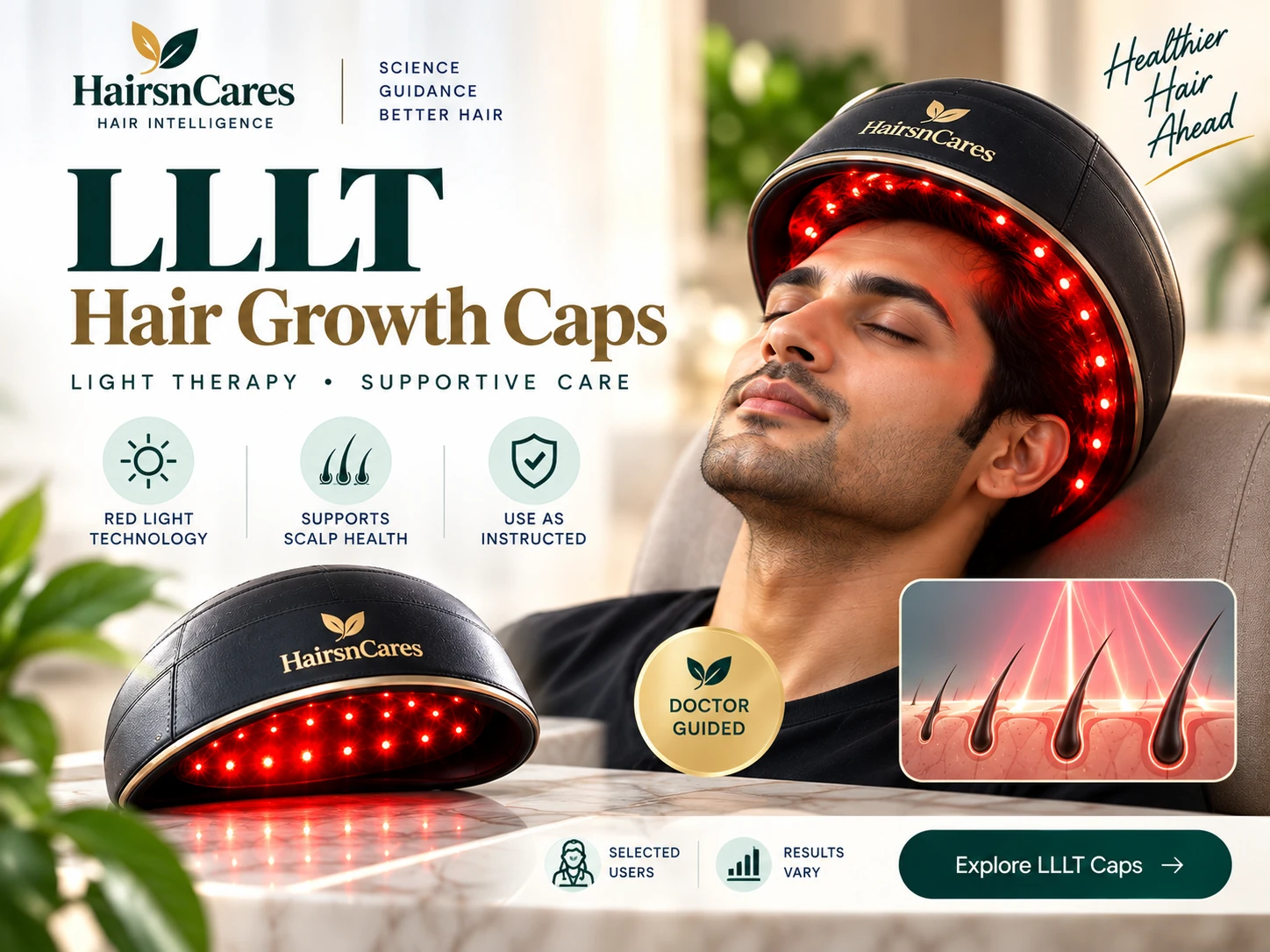
LLLT Hair Growth Caps

Low-level light therapy caps used as supportive hair growth devices in selected users. Results depend on diagnosis, consistency and correct usage. Not a guaranteed regrowth device.
🔦
Doctor-Guided

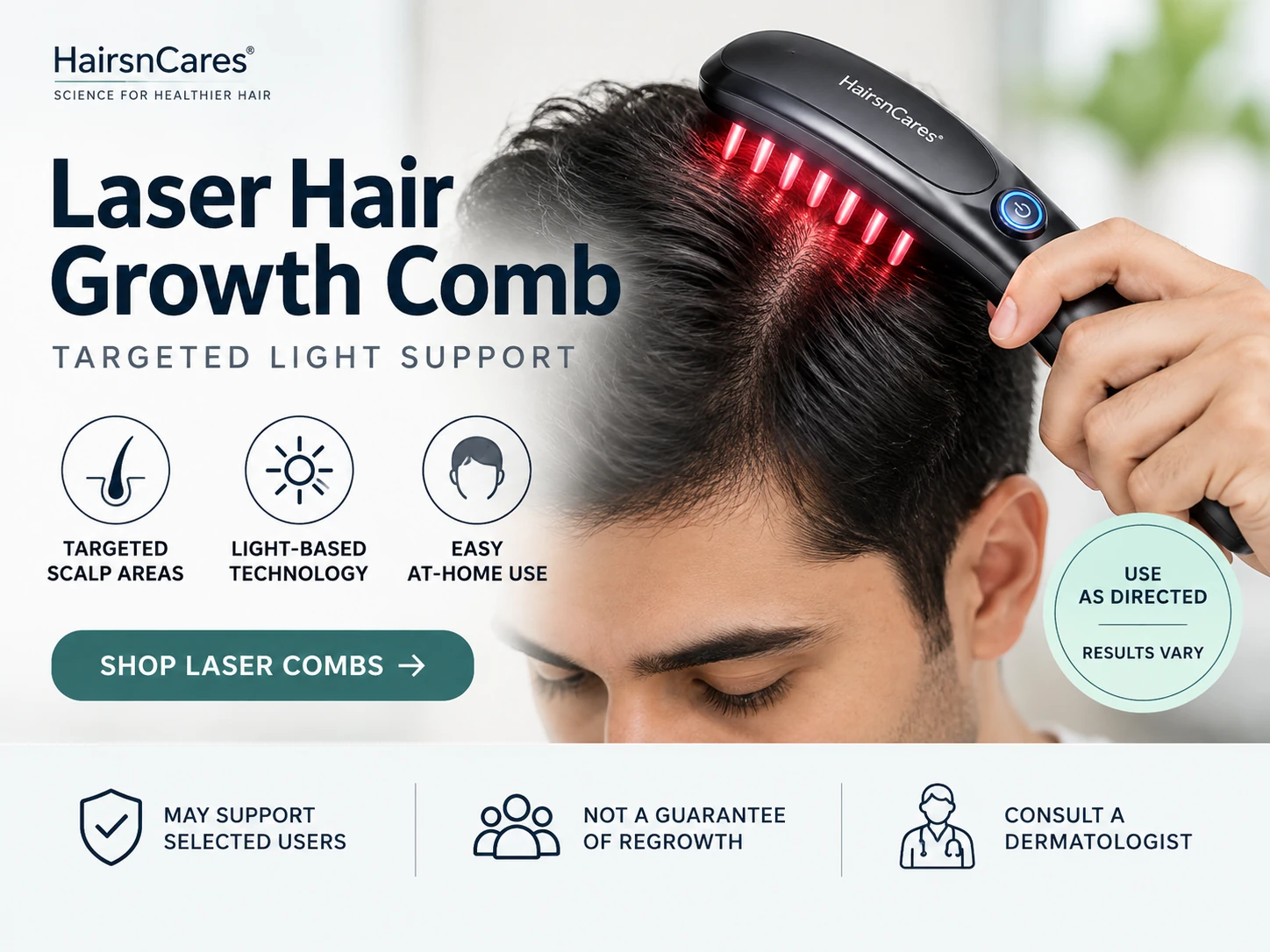
Laser Hair Growth Comb

Handheld light-based devices for targeted scalp areas. Use as directed. Results vary; these may support selected users but do not guarantee regrowth.
🔴
Doctor-Guided

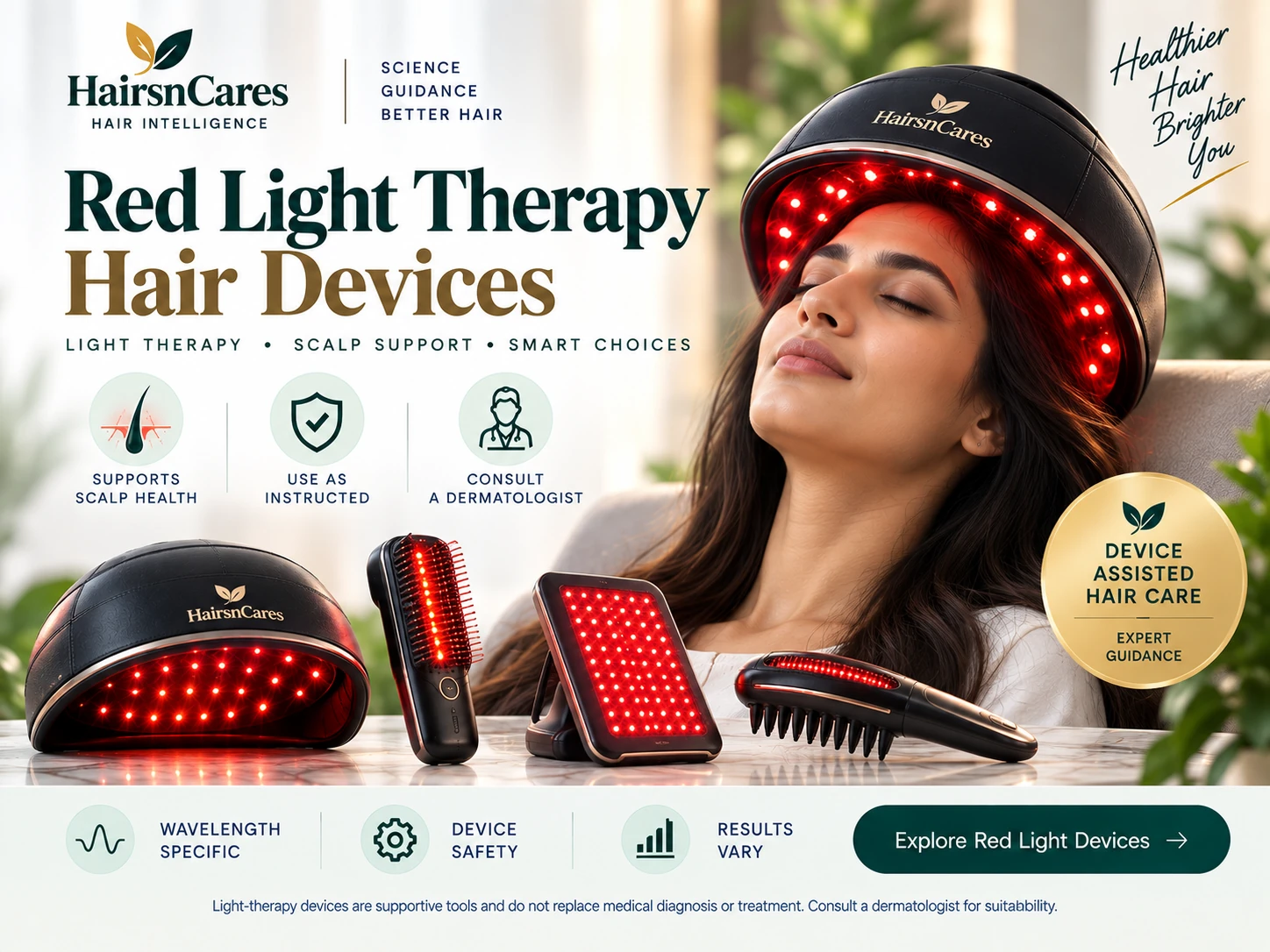
Red Light Therapy Hair Devices

Light-therapy support routines with wavelength-specific protocols. Device safety and wavelength guidance vary. Consult dermatologist for suitability and usage protocol.
💆

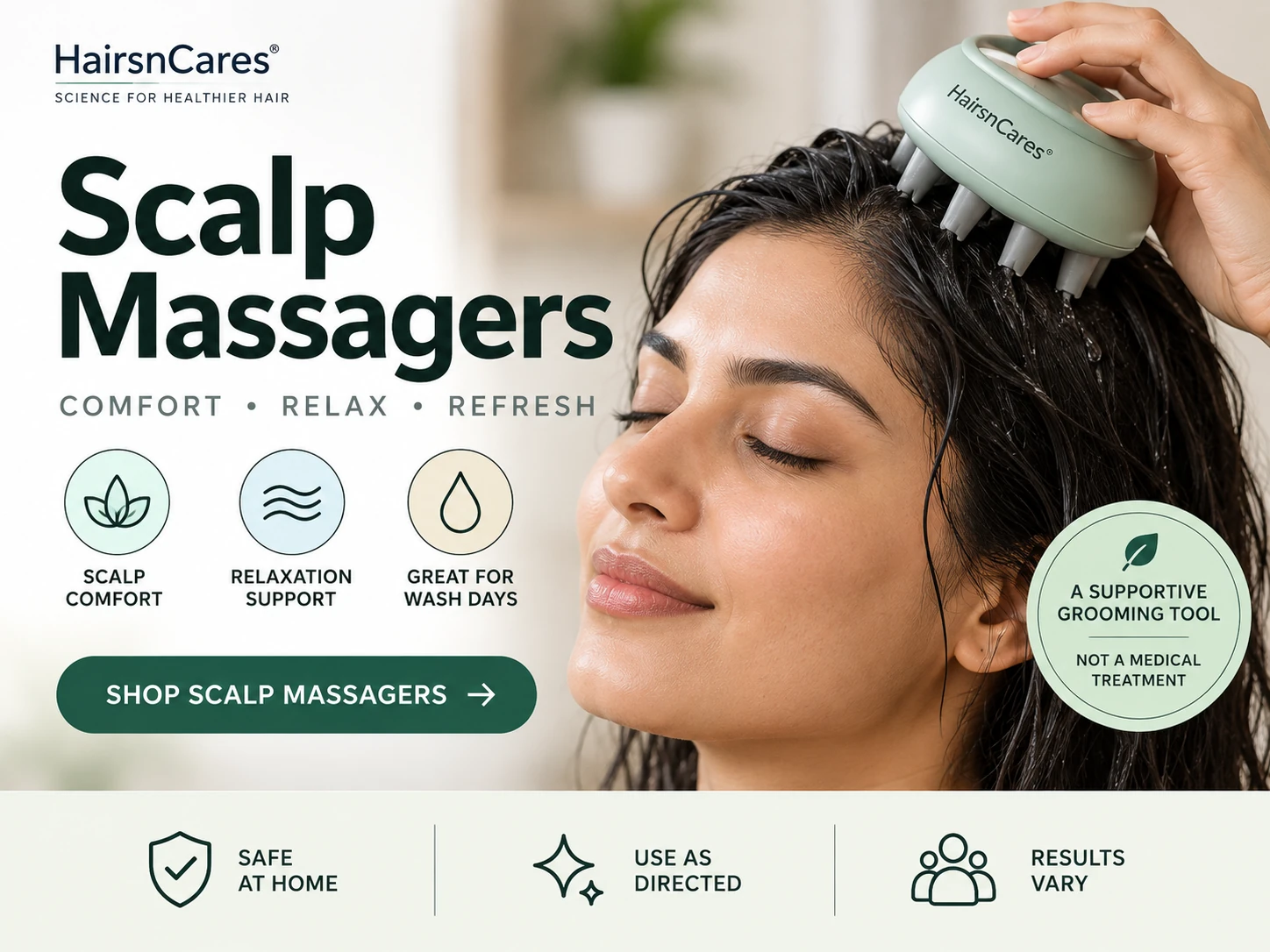
Scalp Massagers

Manual or electric scalp massage tools for comfort, relaxation and wash-day support. Supportive grooming tools — not medical hair loss treatment.
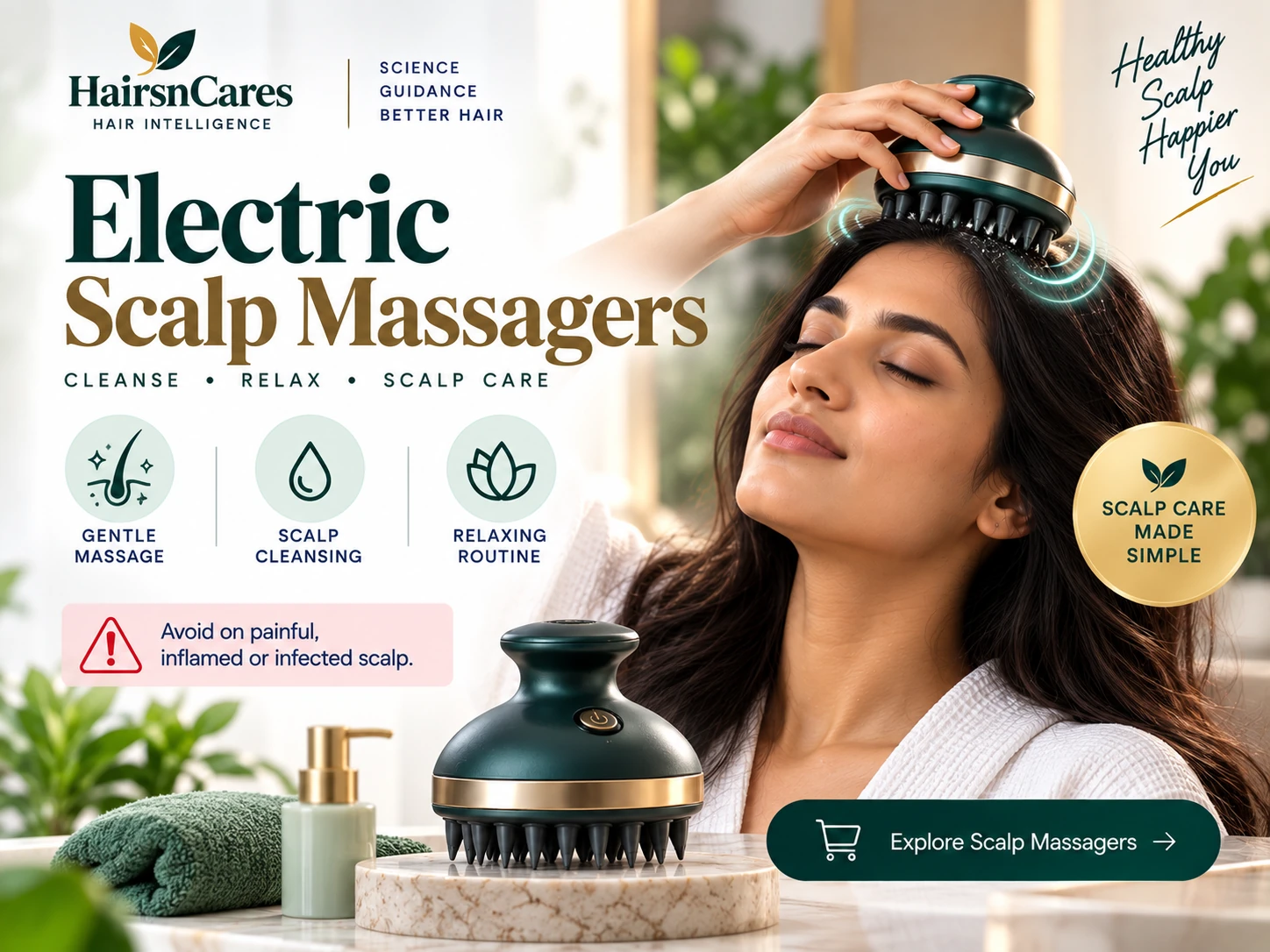
Electric Scalp Massagers

Gentle vibration or rotating massage routines for scalp comfort and cleansing. Avoid on painful, inflamed or infected scalp.
🖌️

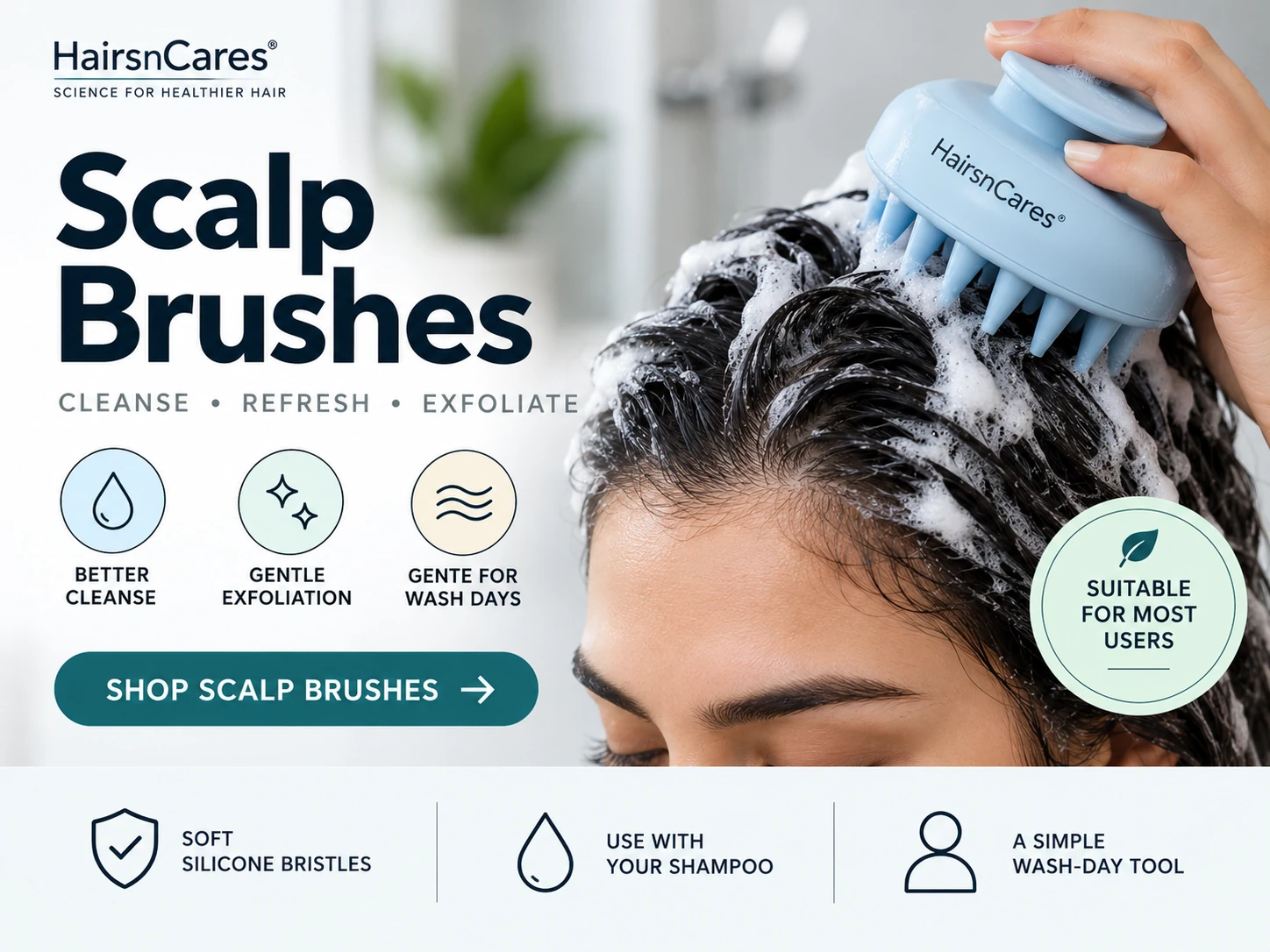
Scalp Brushes

Silicone scalp brushes for shampoo application, cleansing support and mild exfoliation. Suitable for most users as a wash-day routine tool.
🪡
⚠ Microneedling Caution

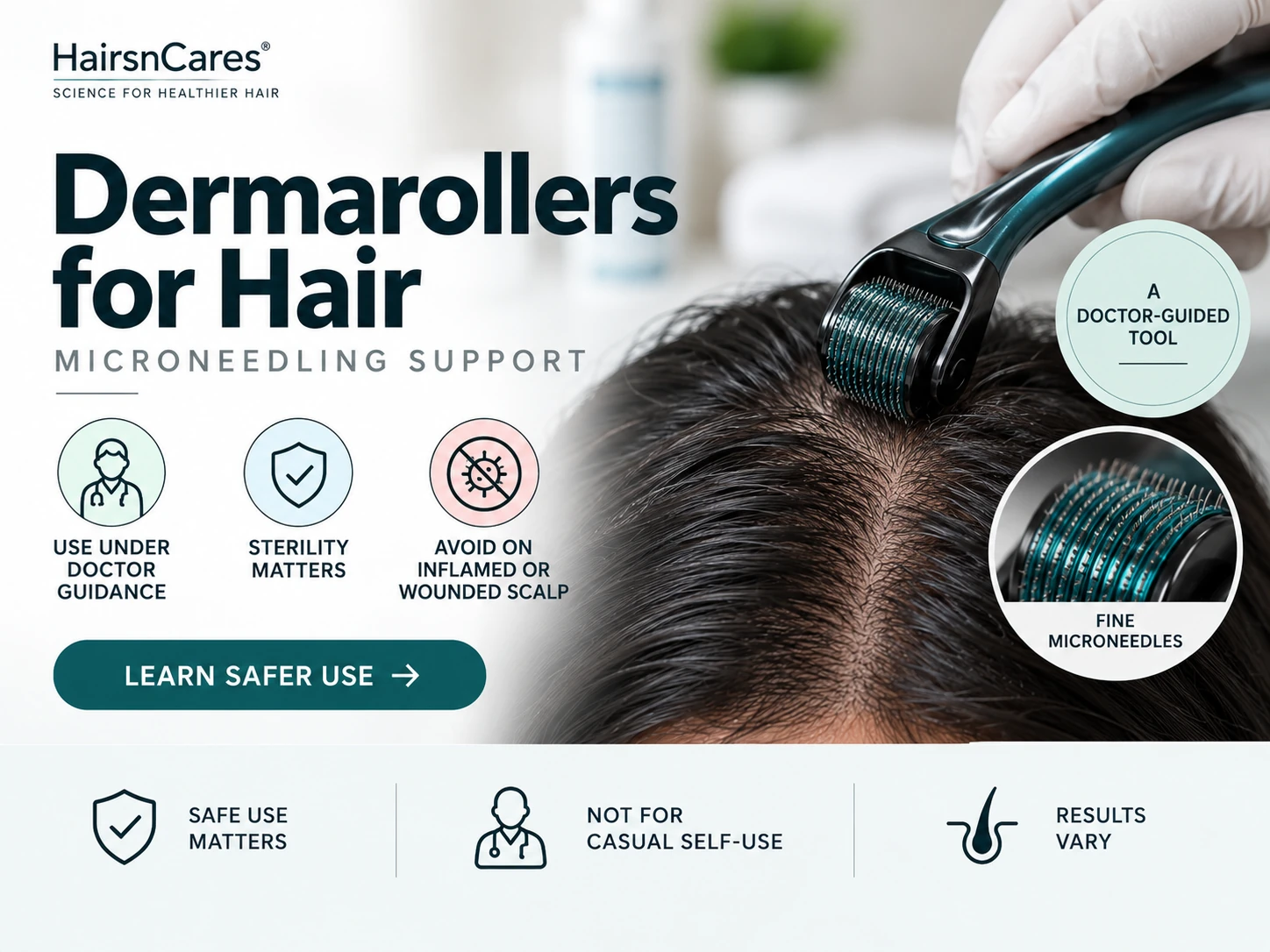
Dermarollers for Hair

Microneedling tools requiring strong safety guidance. Must be used under doctor guidance, not casual self-use. Sterility is critical. Avoid on infected, inflamed or wounded scalp.
📍
⚠ Microneedling Caution

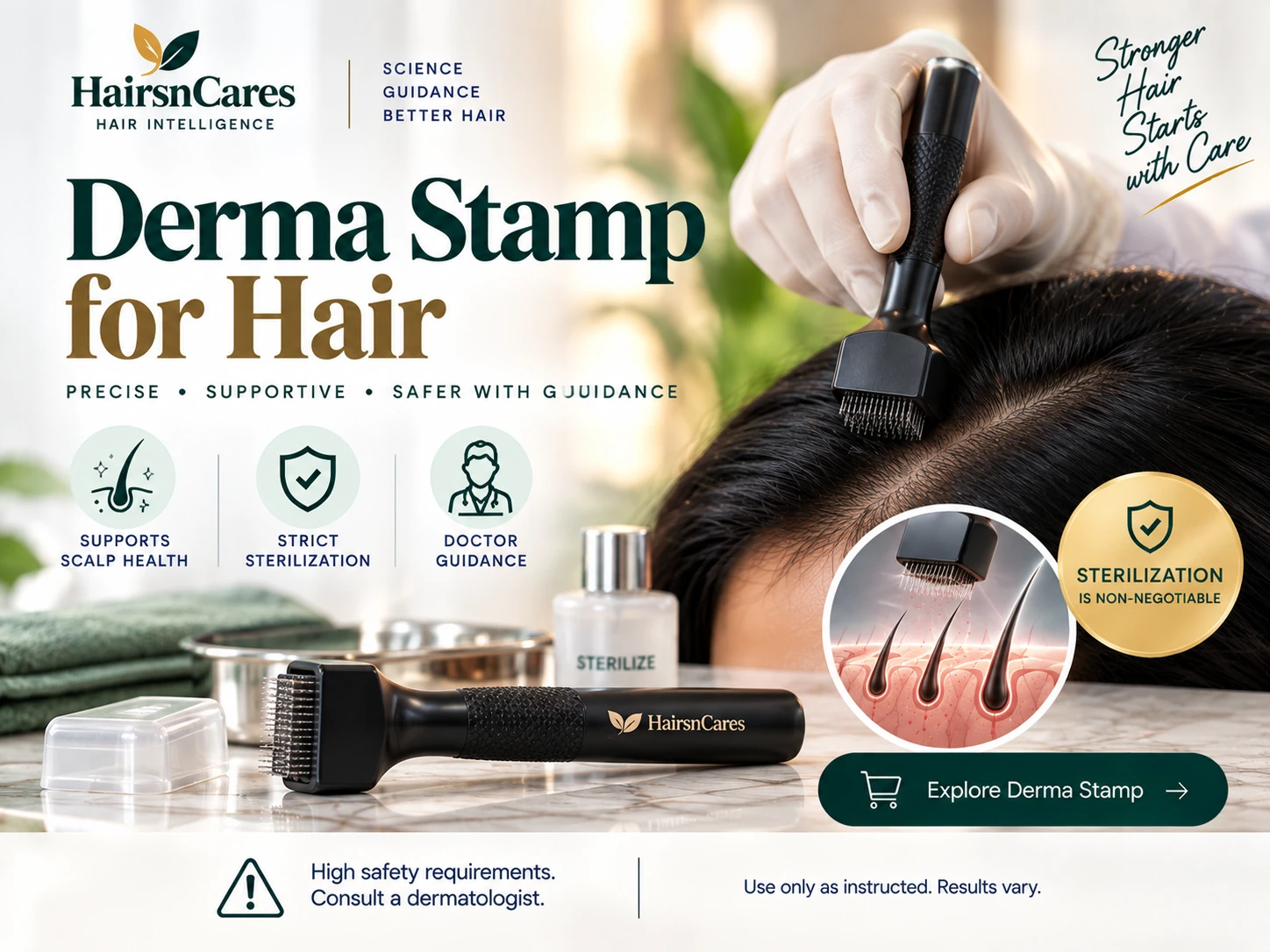
Derma Stamp for Hair

Precision microneedling support tool with high safety requirements. Sterilization is non-negotiable. Doctor guidance recommended before and during use.
🩺
⚠ Doctor-Only Protocol

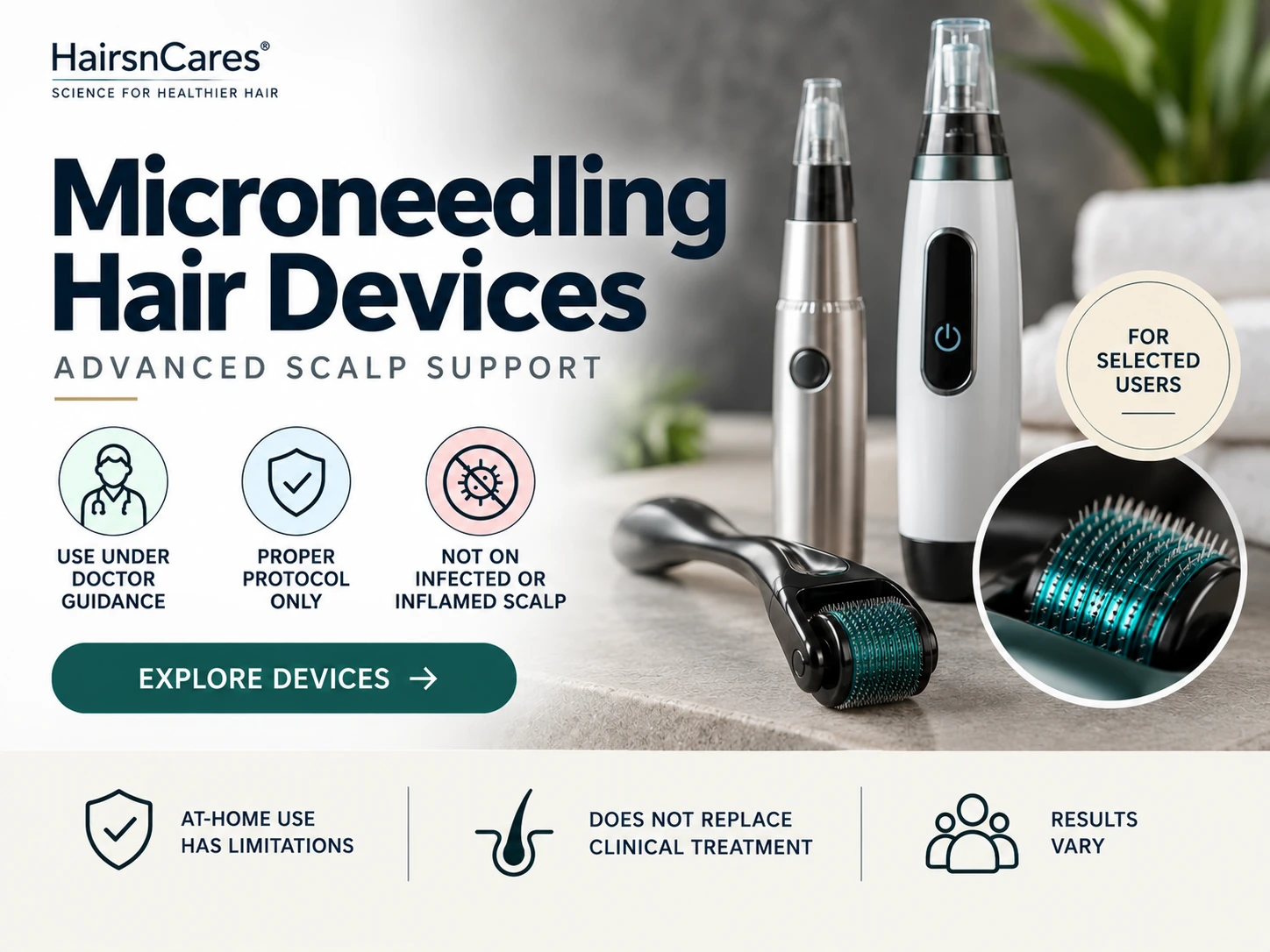
Microneedling Hair Devices

Advanced device category for selected users under proper protocol only. Must not be used on infected or inflamed scalp. At-home microneedling does not replace clinical treatment.
🔬
AI Monitoring

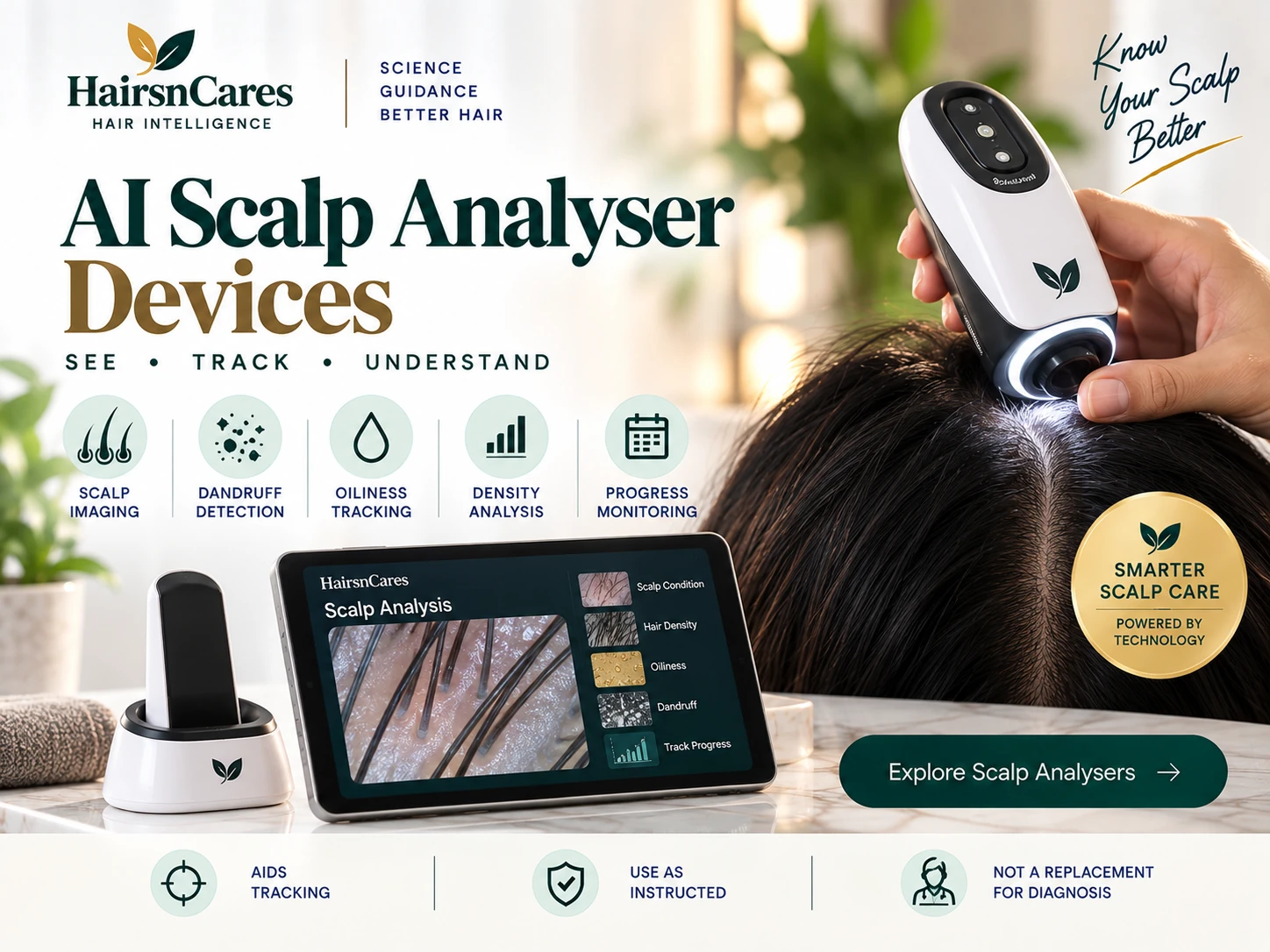
AI Scalp Analyser Devices

For scalp imaging, dandruff detection, oiliness tracking, density analysis and monthly progress monitoring. Aids structured tracking, not diagnosis replacement.
💧

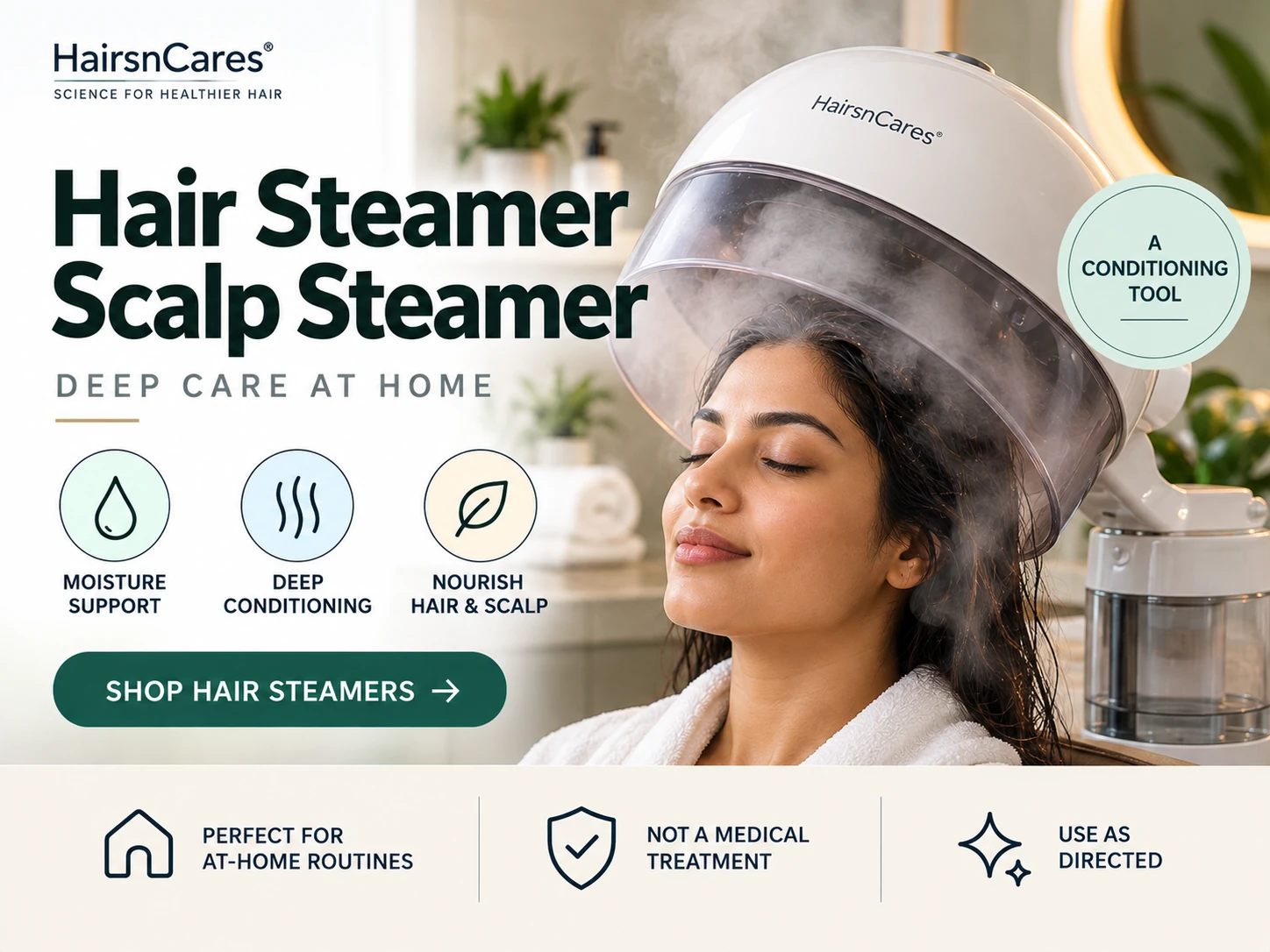
Hair Steamer / Scalp Steamer

For moisture rituals, deep conditioning support and hair-care routines. A conditioning and nourishment tool — not a medical hair-loss treatment device.
💨

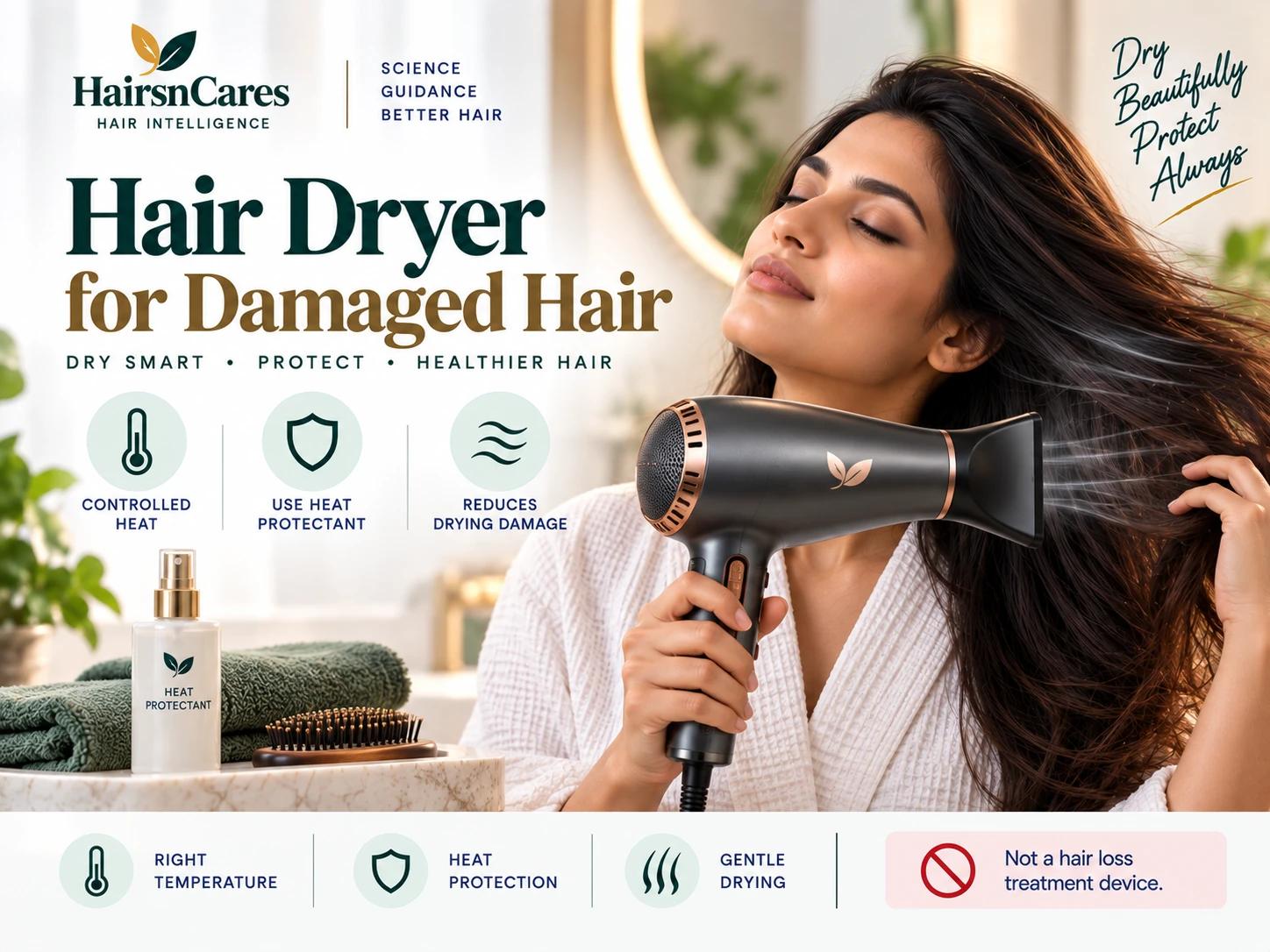
Hair Dryer for Damaged Hair

For controlled drying with heat management features. Heat protection and correct temperature settings reduce drying damage. Not a hair loss treatment device.
🌀

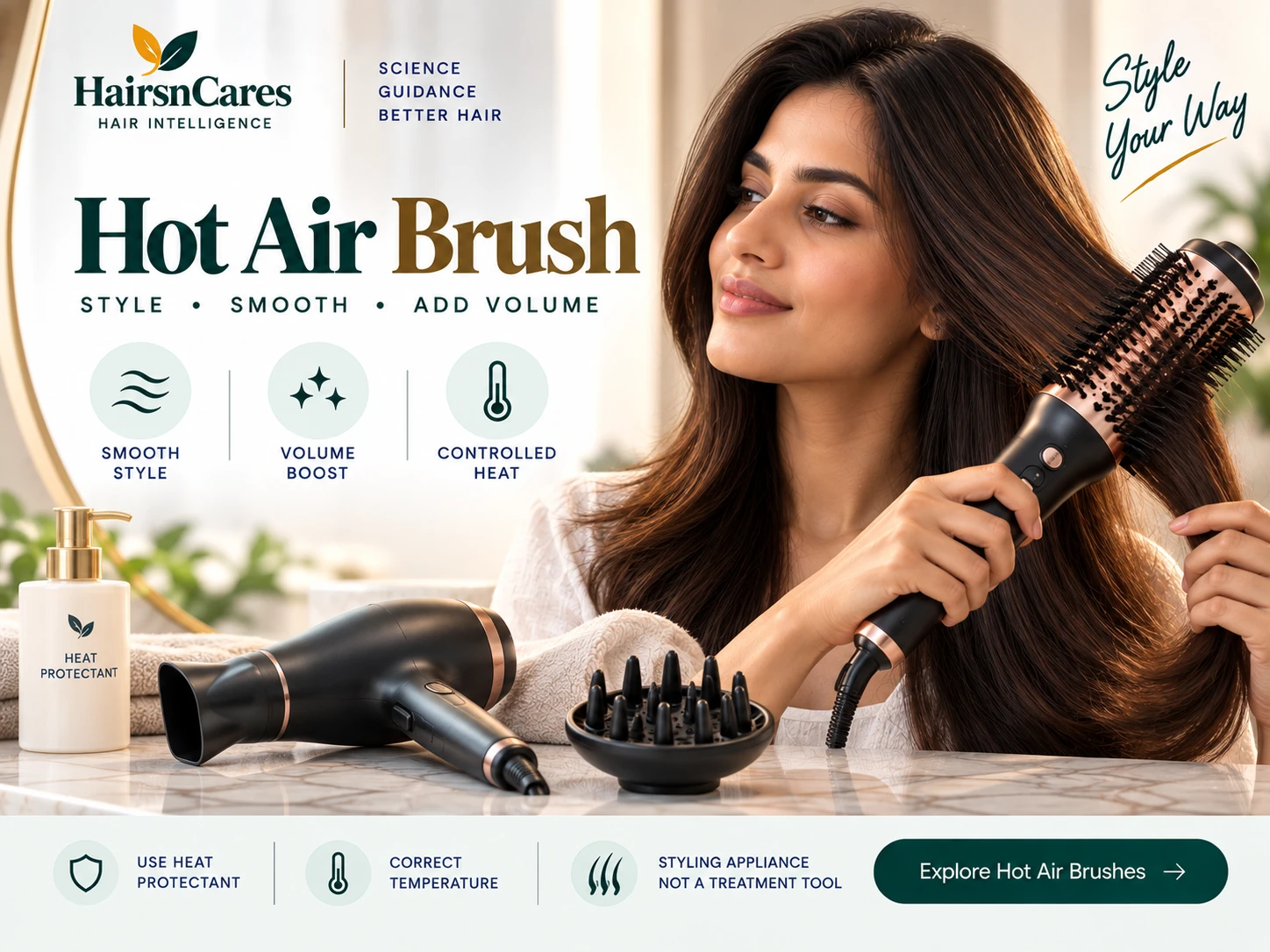
Hot Air Brush

For smoothing, volume and styling. Positions as a styling appliance — not a treatment tool. Pair with heat protectant for best results.
〰️

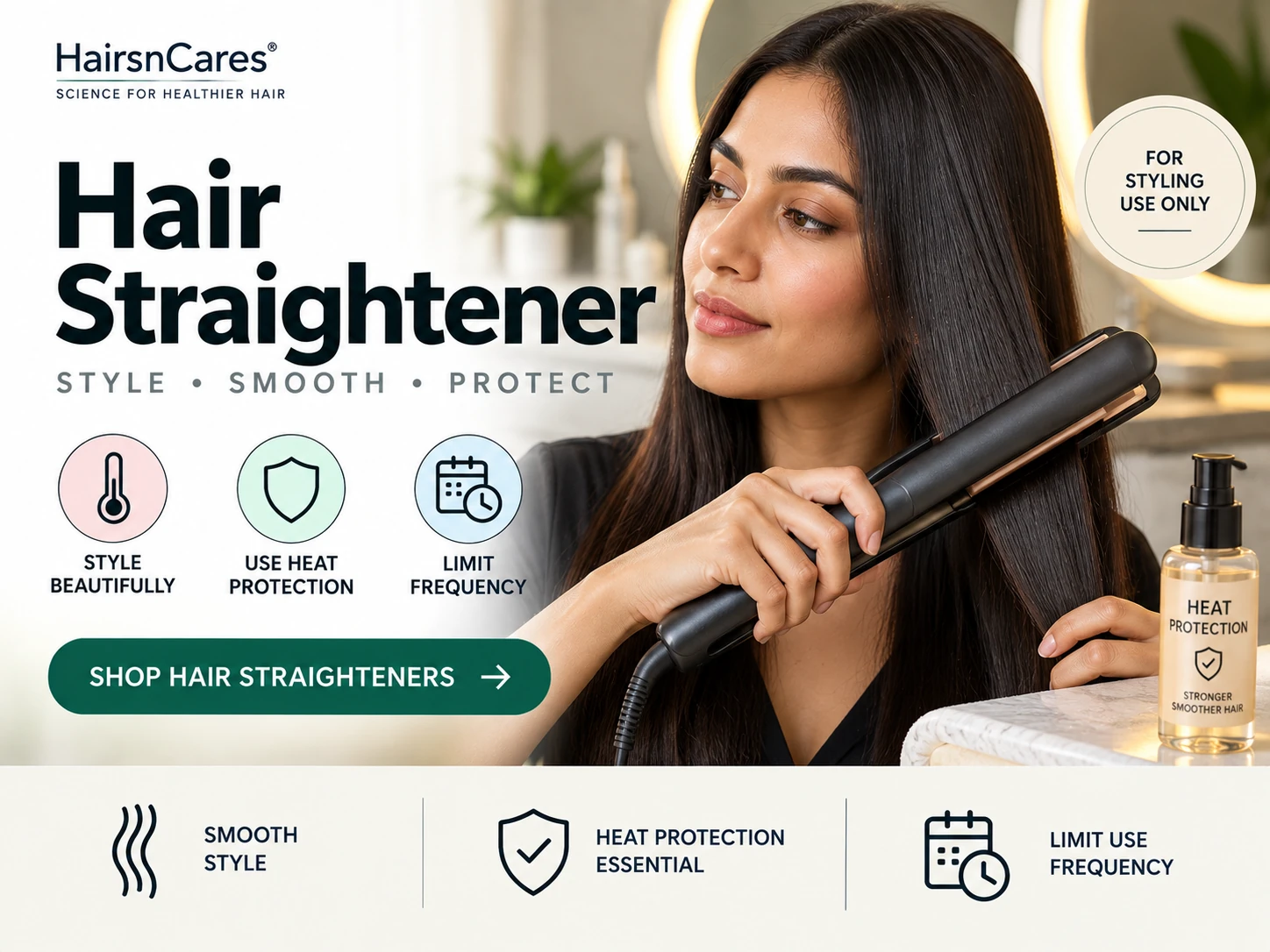
Hair Straightener

For styling and smoothing. Heat protection serum essential. Limit use frequency to reduce heat-related breakage risk. Styling use only, not hair treatment.
🌊

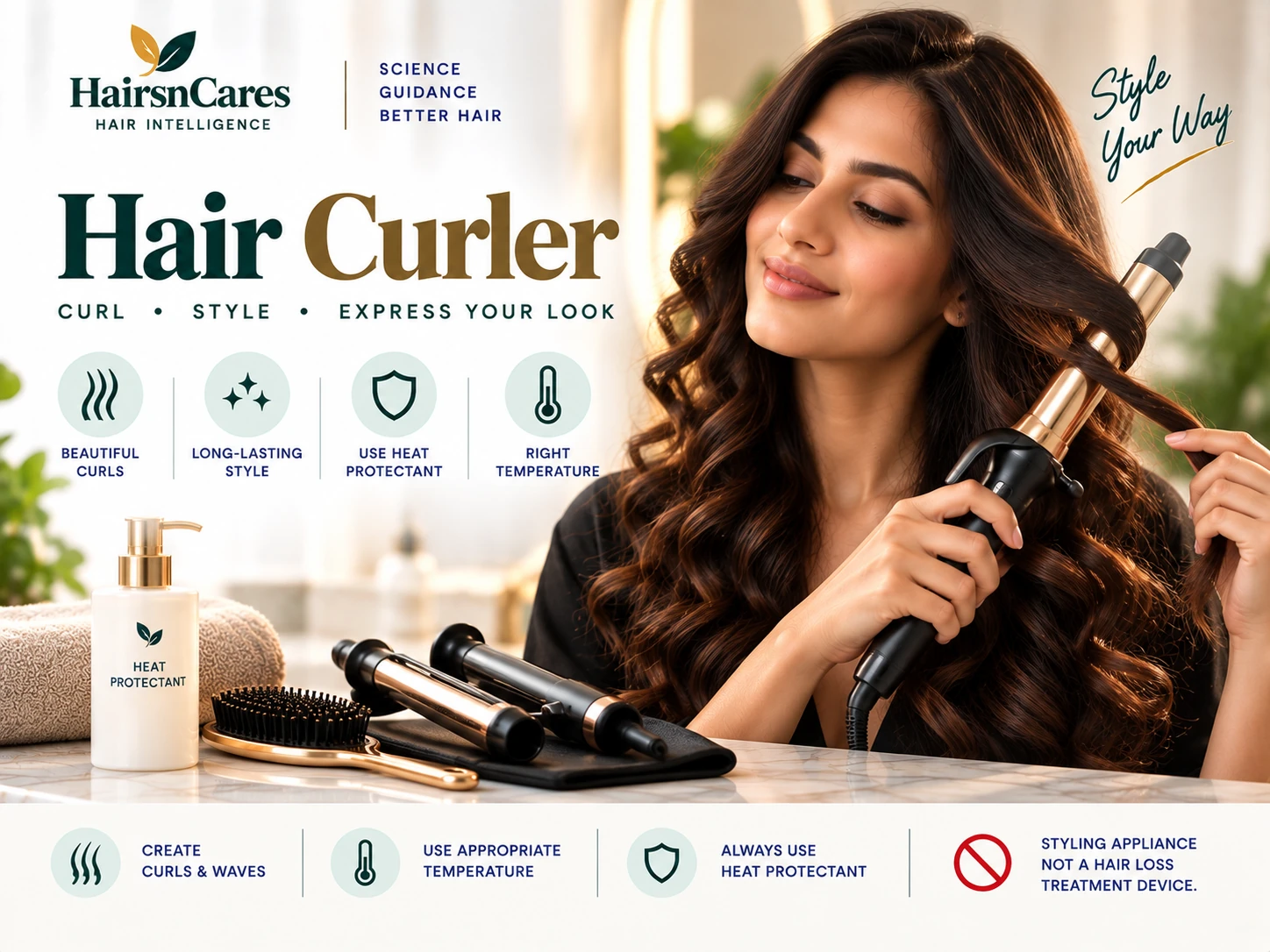
Hair Curler

For curls and waves. Heat damage prevention guidance applies. Temperature control and conditioning routine reduce long-term breakage from repeated heat use.
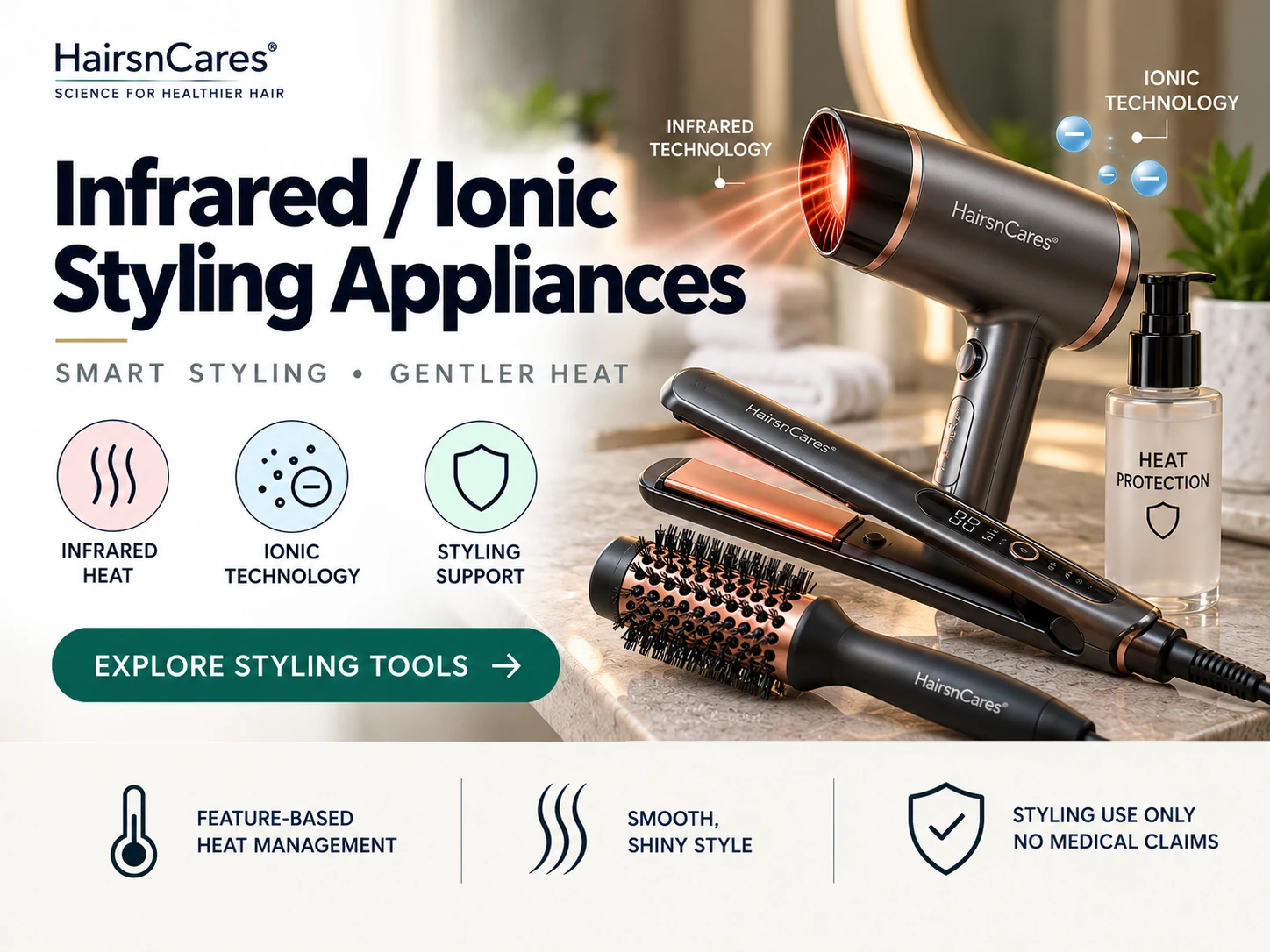
Infrared / Ionic Styling Appliances

Styling tools with infrared or ionic technology for feature-based heat management. Feature-based styling support only — no unverified medical hair claims made.
🏥
⚠ Surgeon-Cleared Only

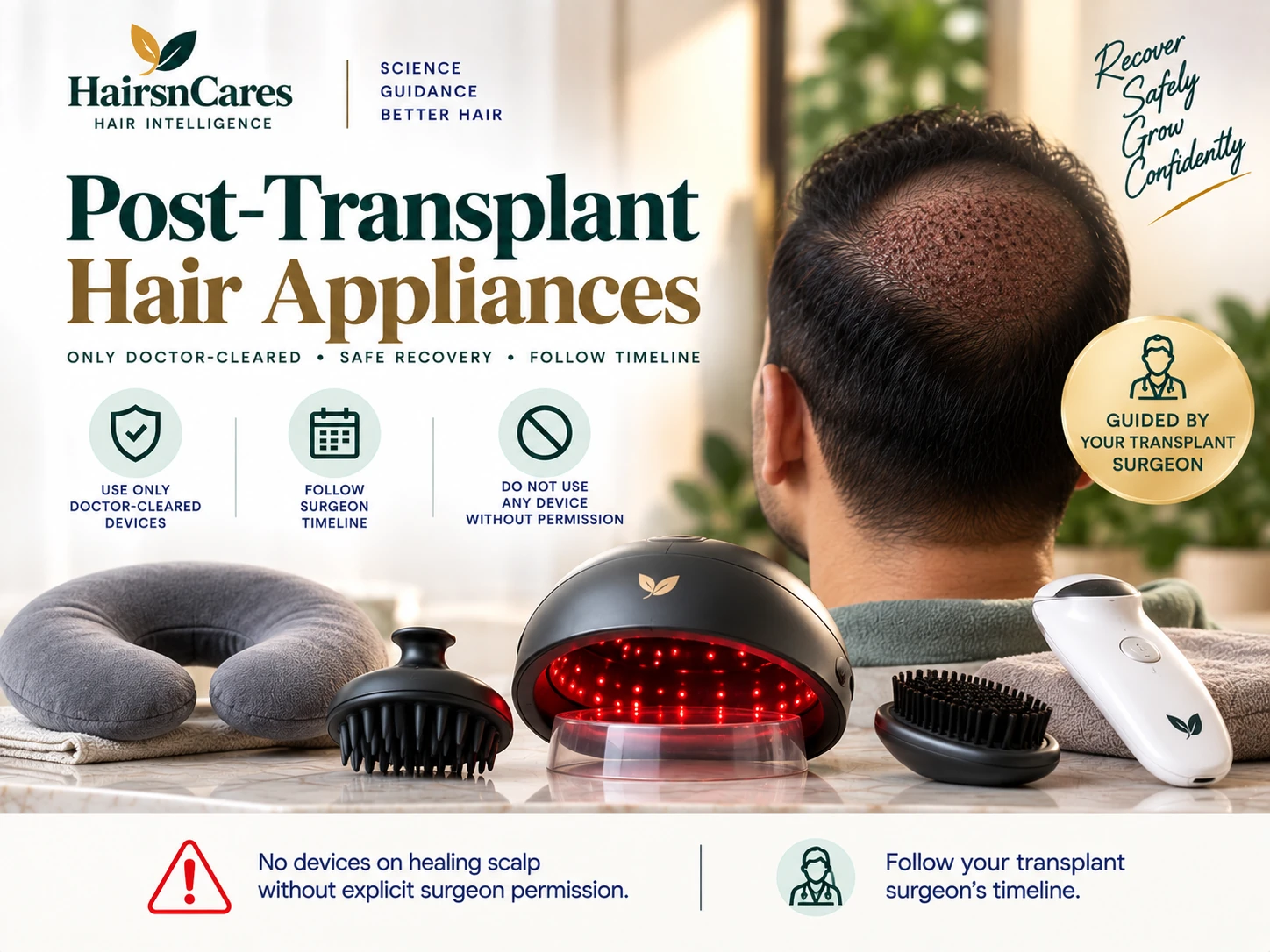
Post-Transplant Hair Appliances

Only doctor-cleared appliances for recovery phase patients. No devices should be used on healing scalp without explicit surgeon permission. Follow transplant surgeon timeline strictly.
📦

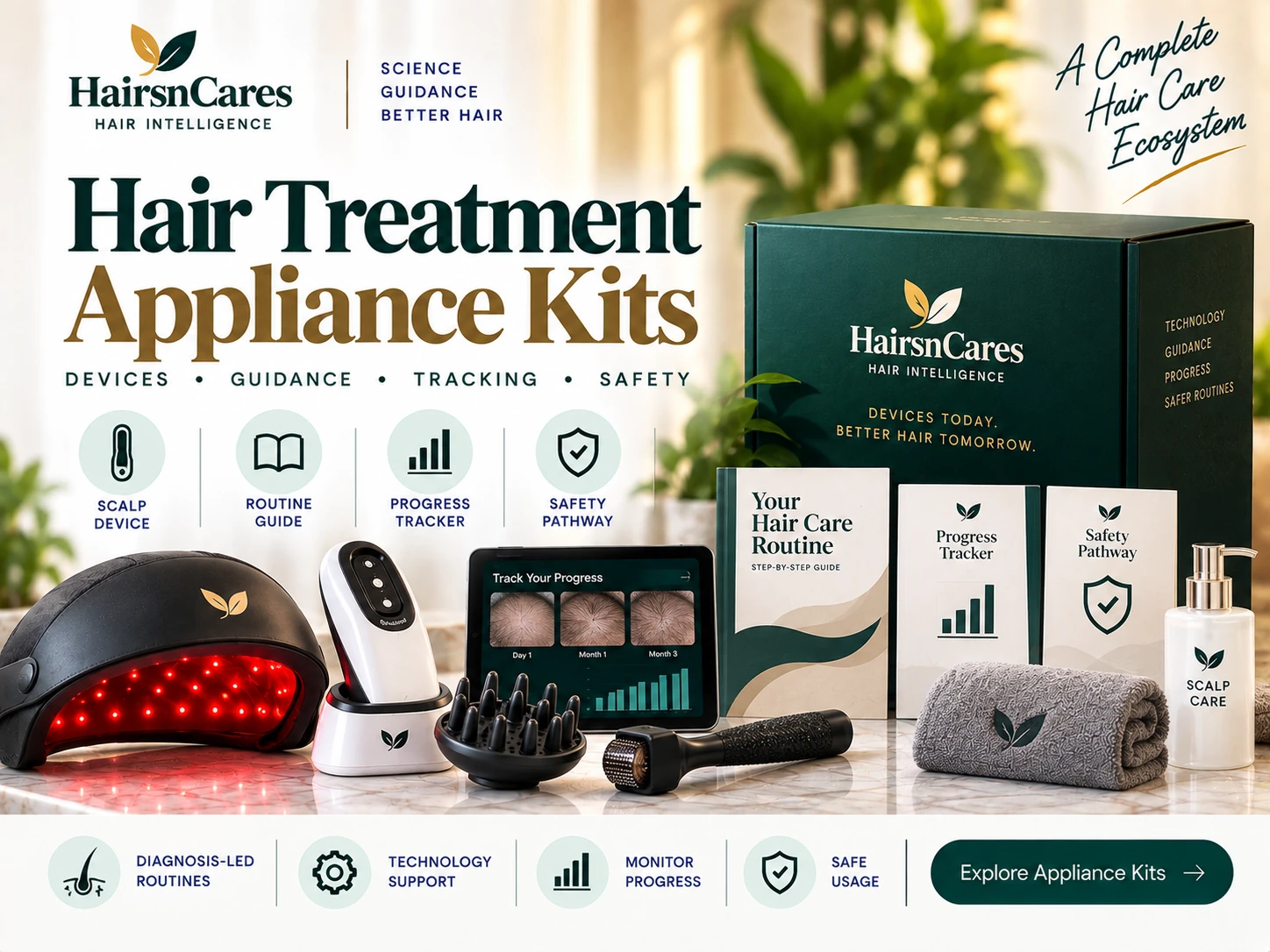
Hair Treatment Appliance Kits

Structured bundles combining scalp device, routine guide, progress tracker and safety pathway. Complete device kit for diagnosis-led, technology-supported hair routines.

Shop Hair Appliances by Treatment Goal

Match the right device category to your hair concern and scalp profile.

💡
Growth-Support Technology
LLLT caps, laser combs, red light devices
Doctor-Guided Recommended
💆
Scalp Massage & Comfort
Scalp massagers, electric massagers, scalp brushes
Low-Risk Grooming Tool
⚠️
Microneedling Support
Dermaroller, derma stamp, microneedling device
Doctor-Guided Only
🔬
Scalp Analysis & Monitoring
AI scalp analyser, hair density tracker, digital scalp camera
Tracking Tool
❄️
Dandruff & Oily Scalp Support
Scalp brush, scalp analyser, massager
Routine Tool
💧
Deep Conditioning Support
Hair steamer, scalp steamer, heat cap
Conditioning Tool
🔥
Heat Styling Safety
Hair dryer, hot air brush, straightener, curler with heat control
Use with Heat Protectant
🏥
Post-Transplant Guidance
Only doctor-cleared tools after recovery stage
Surgeon-Cleared Only

Featured Hair Appliances

Doctor-guided selection — results vary. Prices and stock updated from backend.

Products coming soon

We're curating the right supportive products for this concern. In the meantime, browse the full Hairsncares shop or take the AI Hair Test for a tailored match.

Browse all products

Dermatologist-Guided Hair Appliance Kits

Structured bundles combining devices, routine guides, safety checklists and progress tracking. Caution bundles require doctor guidance before purchase.

Bundles coming soon

Value bundles for this concern aren't ready just yet. Browse the full Hairsncares shop to build the routine that fits your needs.

Browse all products

What Hair Appliances Can and Cannot Do

Device-assisted routines support — they do not replace diagnosis, medicines or hair transplant.

✓ Can Support
  • Scalp massage and comfort
  • Scalp cleansing and product application
  • Device-assisted growth-support routines when selected appropriately
  • Low-level light therapy consistency
  • Treatment progress tracking
  • Scalp imaging and density monitoring
  • Haircare routine discipline and adherence
  • Deep conditioning support
  • Heat styling safety when used correctly
  • Product application support
  • Post-treatment monitoring where doctor-cleared
✕ Cannot Guarantee
  • Cure for any type of baldness
  • Instant or guaranteed hair regrowth
  • New follicles where follicles are permanently lost
  • Replacement for minoxidil or prescription treatment
  • Replacement for hair transplant where surgery is needed
  • Safe microneedling for all scalp types
  • Safe use during active scalp infection or wounds
  • Complete prevention of heat damage
  • Same results for every user or hair loss type
Check My Hair Treatment Device Suitability

The Hairsncares 7-Step Hair Appliance Selection Framework

Choose the right device by goal, diagnosis and safety — not by marketing claims. Three phases: discover, check, execute.

Steps 1–3  ·  DiscoverSteps 4–5  ·  Check safetySteps 6–7  ·  Execute & track
Identify your goal

Growth support, scalp massage, dandruff monitoring, microneedling support, styling safety or post-treatment tracking? Each goal maps to a distinct device category — define this before browsing.

Growth supportScalp massageDandruff monitoringStyling safetyProgress tracking
Identify the hair and scalp diagnosis

Pattern hair loss, dandruff, oily scalp, dry scalp, sensitivity, breakage or post-transplant stage? Diagnosis determines which device category is appropriate — not what looks good online.

Pattern hair lossDandruffOily scalpDry scalpPost-transplant stage
Match device category to diagnosis

LLLT for growth-support routines · scalp massager for massage and cleansing · scalp analyser for monitoring · steamer for conditioning · microneedling only under doctor protocol · styling tools for heat safety.

LLLT capLaser combScalp massagerAI analyserHair steamer
Check safety level

Cosmetic grooming tools (scalp brush, massager) are fundamentally different from advanced treatment-support devices (LLLT, microneedling). Understand which risk tier a device sits in before purchasing.

Low risk · groomingDoctor-guidedMicroneedling cautionPost-transplant caution
Check contraindications

Avoid devices on infected, painful, wounded or inflamed scalp. Consider pregnancy, implanted electronic devices, photosensitivity and relevant medical conditions before any advanced device use.

Infected scalp — avoid all devicesPregnancyImplanted devicesPhotosensitivity
Build the correct routine and use as instructed

Follow manufacturer frequency, duration and technique guidelines exactly. Do not overuse devices assuming more is better — overuse can cause irritation, breakage or poor outcomes.

3–5× per week (LLLT)Wash-day (scalp brush)Doctor schedule (microneedling)
Track response and follow up

Monitor shedding, scalp symptoms, irritation, photos and routine consistency monthly. No improvement after 3–6 months, or any new symptoms — return to dermatologist immediately.

Monthly photosShedding logProgress tracker3–6 month review
Find My Hair Appliance

How to Use Hair Appliances Without Damaging Scalp or Hair

Device-specific safety protocols — always follow manufacturer instructions and doctor guidance.

How to Use LLLT / Laser Hair Device
LLLT Hair Device Safe Use Protocol
  1. Start with dermatologist confirmation of suitability before beginning LLLT.
  2. Read the device manual completely before first use.
  3. Use on clean, dry scalp as instructed — avoid product-coated scalp unless specified.
  4. Follow prescribed frequency and session duration — typically 3–5 sessions per week.
  5. Avoid overuse; consistency at correct intervals matters more than frequency.
  6. Track results with monthly photographs under the same lighting.
  7. Stop immediately and consult doctor if irritation, burning or increased shedding occurs.
How to Use a Scalp Massager
Scalp Massager Safe Use Guide
  1. Apply gentle, consistent pressure — do not use aggressive rubbing or nails.
  2. Use during shampoo for wash-day support, or dry massage as per routine.
  3. Avoid using on painful, inflamed or infected scalp.
  4. Clean the device thoroughly after every use to prevent product buildup.
  5. Do not share scalp massagers with others.
How to Use a Scalp Brush
Scalp Brush Wash-Day Protocol
  1. Apply shampoo to wet hair before using the scalp brush.
  2. Massage gently in small circular motions across the scalp.
  3. Do not scratch, drag or use on active scalp wounds.
  4. Rinse the brush under running water after every use.
  5. Replace brush every 3–4 months or if bristles degrade.
⚠ Dermaroller / Microneedling — Doctor Guidance Required
Microneedling Device Safety Protocol
  1. Do not use casually — consult a dermatologist first and only proceed with their guidance.
  2. Never use on infected, inflamed, bleeding, wounded or actively irritated scalp.
  3. Sterility is critical — sterilise device properly before every use using the correct method.
  4. Never share microneedling devices with anyone — cross-contamination risk is serious.
  5. Follow the exact needle depth, pressure and frequency prescribed by your doctor.
  6. Stop immediately if pain, pus, redness, swelling or worsening scalp condition appears.
  7. Return to dermatologist for review if any adverse reaction occurs.
How to Use Heat Styling Appliances Safely
Heat Styling Safe Use Guide
  1. Apply heat protectant serum or spray to damp or dry hair before any heat use.
  2. Use the lowest effective temperature setting for your hair type.
  3. Avoid repeated passes over the same hair section in one session.
  4. Do not use on wet hair unless the device is explicitly designed and rated for that.
  5. Avoid daily high-heat styling — minimum 2–3 rest days per week.
  6. Pair with conditioner, repair mask or oil to support moisture balance.

Hair Appliance Device Comparison

Side-by-side guide to help you choose between similar device categories.

FeatureLLLT Hair Growth CapLaser Hair Growth Comb
CoverageHands-free, broader scalp coverage per sessionTargeted, manual — specific sections per pass
Ease of UseWear and wait — minimal technique requiredRequires manual movement across scalp sections
Best ForUsers seeking consistent full-scalp light therapyUsers targeting specific thinning zones
Doctor GuidanceRecommended for selecting suitable usersRecommended for correct technique and frequency
ResultsResults vary — months of consistent use requiredResults vary — consistency and technique matter
FeatureScalp MassagerScalp Brush
Primary RoleComfort, relaxation and gentle scalp stimulationShampoo distribution and wash-day cleansing
Use TimingDry or wet scalp, before or during washDuring shampoo on wet scalp
ExfoliationMild depending on device typeMild scalp exfoliation with silicone tips
SafetyAvoid inflamed or painful scalpAvoid scalp wounds or active infections
Medical RoleSupportive grooming — not hair loss treatmentCleansing support — not hair loss treatment
FeatureDermarollerDerma Stamp
MechanismRolling microneedling — covers areas via rolling motionStamping action — more targeted, precise coverage
Technique SensitivityHigher — rolling angle and pressure affect outcomeSlightly lower — but still requires correct protocol
Safety LevelHigh caution — doctor guidance strongly requiredHigh caution — doctor guidance strongly required
Sterility RequirementCritical — must sterilise before each useCritical — must sterilise before each use
When to AvoidInfected, inflamed, wounded or irritated scalpInfected, inflamed, wounded or irritated scalp
At-Home UseOnly with dermatologist-defined protocolOnly with dermatologist-defined protocol
FeatureAI Scalp Analyser DeviceProgress Tracker Tool
FunctionCaptures scalp and hair visuals — density, oiliness, dandruff, follicle appearanceOrganises monthly photos, symptoms and routine adherence logs
OutputImage-based scalp data for monitoring and sharing with doctorTrend overview — not a diagnostic image capture device
Medical UseSupports dermatologist review — not a diagnostic deviceTracks routine compliance and self-reported changes
FeatureHair ApplianceHair Treatment Product
TypePhysical device used as part of a routineTopical, oral or scalp product with active ingredients
ExamplesLLLT cap, scalp massager, dermaroller, steamer, dryerMinoxidil, shampoos, serums, supplements, prescription medicines
Medical RoleSupportive device-assisted routine toolActive ingredient-based treatment or support
Replaces Each Other?No — devices and products serve different roles in a diagnosis-led hair routine

Hair Appliance Myths vs Facts

Common misconceptions about hair devices — cleared with medically safe guidance.

Myth

Laser caps guarantee hair regrowth for anyone with hair loss.


Fact

LLLT devices may support selected users in growth-support routines, but results vary significantly. Suitability depends on hair loss type, diagnosis and consistent correct use over months — not days.

Myth

Scalp massagers stop hair fall.


Fact

Scalp massagers can support wash-day comfort and relaxation but do not treat or stop medically-driven hair fall. Hair loss caused by pattern baldness, hormonal conditions or deficiencies requires diagnosis and appropriate medical care.

Myth

Dermarollers are safe for everyone to use at home.


Fact

Microneedling devices can cause scalp irritation, infection, scarring or worsened hair loss when used incorrectly. They should only be used under a dermatologist-defined protocol with proper sterility and technique guidance.

Myth

Using more device sessions gives faster hair regrowth results.


Fact

Overuse of LLLT, microneedling or scalp devices can cause irritation, breakage or poor compliance. Correct frequency as per device instructions — not maximum frequency — is what matters.

Myth

Expensive heat appliances are safe to use daily without protection.


Fact

Any heat tool — regardless of price — can cause hair shaft damage, breakage and long-term structural harm if used daily at high temperatures without heat protectant or rest days.

Myth

Hair appliances can replace minoxidil, medicines or hair transplant.


Fact

Devices may support a diagnosis-led routine but do not replace pharmaceutical treatment where it is needed. Pattern hair loss, medical hair loss and advanced thinning often require medicines or surgical intervention that no device can substitute.

When You Should Not Use Hair Appliances Without Doctor Advice

If any of these apply to you, consult a dermatologist before using any hair appliance — especially advanced devices.

🚨Sudden severe or rapidly worsening hair fall
🚨Patchy bald spots appearing suddenly
🚨Painful scalp with no clear cause
🚨Pus, crusting or bleeding on scalp
🚨Severe scalp redness or active inflammation
🚨Thick scaling, active scalp infection
🚨Scalp wounds or unhealed cuts
🏥Recent hair transplant — no devices without surgeon clearance
🏥Recent scalp procedure or treatment
⚠️Pregnancy or breastfeeding — advanced devices require medical advice
⚠️Photosensitivity or taking photosensitising medicines
⚠️Implanted electronic medical devices (e.g., pacemaker)
⚠️Light sensitivity or epilepsy where device type may be a trigger
⚠️Scalp issues in children — consult paediatric dermatologist first
🔴Burning or irritation developing during or after device use
🔴No improvement despite months of consistent correct device use
Ask a Hair DoctorTake AI Hair Test

Always read device instructions, avoid sharing scalp devices and stop use immediately if pain, redness, swelling, pus, burning or worsening hair fall occurs.

Let AI Help You Choose Hair Appliances Safely

AI tools are educational and do not replace dermatologist diagnosis or manufacturer safety instructions.

🧬
AI Hair Test
For hair fall, thinning, crown loss, hairline recession and device-suitability direction. Understand your hair loss type before choosing a device.
Start AI Hair Test
🔬
AI Scalp Test
For dandruff, oily scalp, dry scalp, itching, redness and scalp inflammation. Know your scalp condition before advanced device use.
Analyse My Scalp
🎯
AI Product Finder
Matches appliances by goal, scalp type, safety level and routine profile. Personalised device shortlisting without overclaiming.
Find My Hair Appliance
🗓️
Routine Builder
LLLT schedule, wash-day scalp brush timing, massage routine, heat protection sequence. Build a complete device-assisted hair routine.
Build Device Routine
📈
Progress Tracker
Monthly hair photos, device use consistency logs and response tracking. Structured monitoring for long-term routine adherence and improvement.
Track My Progress
🛡️
Device Safety Checker
For microneedling, laser/LED devices, pregnancy concerns, post-transplant flags and active scalp irritation. Check before using any advanced device.
Check Device Safety
👨‍⚕️
Doctor Consultation
For advanced devices, red flags, uncertain diagnosis and post-transplant device guidance. When in doubt, always consult first.
Ask Dr. Amit

Doctor-Guided Hair Device Flow

The recommended pathway for choosing, starting and monitoring a hair appliance routine safely.

1

Identify Your Hair Concern

Hair fall, thinning, scalp issues, post-transplant care or styling damage — identifying the correct concern prevents wrong device selection.

2

Take AI Hair Test or AI Scalp Test

Use Hairsncares AI tools to map your concern, scalp type and device safety compatibility before browsing appliances.

3

Upload Scalp Photos if Needed

For advanced device suitability — scalp photos can support doctor review and improve device recommendation accuracy.

4

Identify Device Category

Match your concern and scalp profile to the correct device category — LLLT, scalp massage, analyser, steamer, styling safety or microneedling (doctor-only).

5

Check Red Flags and Contraindications

Use the Device Safety Checker and review the contraindication list before proceeding. Stop if any red flag applies.

6

Doctor Review Where Required

Advanced devices — LLLT, microneedling, post-transplant tools — should be reviewed by a dermatologist before beginning any home routine.

7

Choose Your Appliance

Select your device through the AI Product Finder or doctor recommendation — not marketing claims or peer pressure.

8

Add Device to Your Routine

Build a structured routine using the Routine Builder — device session timing, frequency and pairing with treatment products where appropriate.

9

Track Monthly Response

Log device sessions, hair photos and scalp symptoms using the Progress Tracker. Consistency and documentation matter for meaningful review.

10

Follow Up if Irritation or No Progress

Return to dermatologist review if irritation occurs, if shedding worsens, or if there is no observable improvement after the expected protocol timeline.

Check Device SuitabilityBook Doctor Review

Medical References & Device Safety Resources

Authority sources for hair loss, device safety and patient education. External links open in a new tab.

American Academy of Dermatology — Hair Loss Patient Education: AAD guidance on hair loss types, treatment options and when to consult a dermatologist.
Mayo Clinic — Hair Loss Overview: Comprehensive patient-facing overview of hair loss causes, diagnosis and treatment pathways.
PubMed / NCBI — LLLT and Hair Loss Research: Research summaries on low-level laser therapy and hair loss — note that study quality and results vary.
PubMed / NCBI — Microneedling and Hair Loss Research: Research on microneedling protocols for hair loss — doctor guidance required before any self-use attempt.
MedlinePlus (U.S. National Library of Medicine) — Hair Loss Patient Information: General patient-facing information on hair loss types, causes and medical management.
NHS (UK National Health Service) — Hair Loss Overview: NHS guidance on hair loss types, when to seek medical advice and treatment pathways.

Frequently Asked Questions — Hair Appliances for Hair Treatment

28 medically safe answers covering hair growth devices, scalp tools, microneedling caution, post-transplant guidance and styling safety.

Hair appliances for hair treatment include devices used in scalp care routines, growth-support protocols and styling safety — such as LLLT caps, laser combs, scalp massagers, scalp brushes, dermarollers, AI scalp analysers, hair steamers and heat-styling tools. They support routines but do not replace medicines, diagnosis or hair transplant.
Some devices like LLLT caps have limited research support for selected users, but results vary significantly. No device guarantees hair regrowth. Effectiveness depends on diagnosis, hair loss type, consistency of use, scalp health and whether the device is combined with appropriate medical care where needed.
An LLLT (Low-Level Light Therapy) hair growth cap is a wearable device that emits low-powered red or near-infrared light across the scalp. It is used as a supportive device in hair growth routines for selected users. It does not guarantee regrowth, cure pattern baldness or replace minoxidil or prescription treatment.
Laser caps may support hair growth routines in some users based on limited research, but they do not guarantee regrowth for all types of hair loss. Suitability depends on diagnosis, stage of hair loss and consistency of correct use over several months. Results vary significantly between individuals.
A laser comb is a handheld low-level laser device that targets specific scalp sections with light. Unlike a cap, it requires manual movement across the scalp. It may support growth-support routines in suitable users when used consistently at correct frequency as directed. Doctor guidance recommended for correct use.
Red light therapy (photobiomodulation) may support selected users with certain hair loss types based on limited research. Results vary significantly. It should not be seen as a guaranteed treatment. Wavelength, device quality, frequency and scalp condition all affect outcomes. Consult a dermatologist before beginning any red light therapy routine.
Scalp massagers can support wash-day routines and scalp comfort. Some small studies suggest regular scalp massage may modestly support hair thickness in certain contexts, but evidence is limited. Scalp massagers do not treat pattern hair loss, hormonal hair fall or medical causes of hair thinning.
No. Scalp massagers are grooming and comfort tools — they do not stop or treat medically-driven hair fall. Hair loss caused by pattern baldness, hormonal imbalance, thyroid disorders, nutritional deficiency or scalp disease requires accurate diagnosis and appropriate treatment, not a scalp massager alone.
A silicone scalp brush can help distribute anti-dandruff shampoo more evenly and support gentle scalp exfoliation during washing. It is a helpful wash-day tool when dandruff is mild to moderate. For persistent, severe or inflamed dandruff, dermatologist evaluation and appropriate medicated treatment is needed.
Dermarollers can support microneedling protocols when used under proper medical guidance and strict sterility. They are not safe for casual self-use. Incorrect technique, inadequate sterilisation or use on infected, inflamed or wounded scalp can cause serious harm. Always consult a dermatologist before beginning any microneedling routine.
Both devices require doctor guidance and strict sterility. Dermarollers cover larger areas with a rolling motion, while derma stamps offer more targeted, controlled needling in specific zones. Neither is inherently better — the correct choice depends on protocol, scalp condition and dermatologist recommendation. Do not use either casually.
At-home microneedling for hair is high risk without dermatologist guidance. Incorrect needle depth, improper sterility, and use on unsuitable scalp conditions can cause infection, scarring or worsened hair loss. If a doctor recommends microneedling, they will define a specific protocol. Do not self-prescribe or self-treat with microneedling devices.
Some appliances like scalp massagers can be used alongside minoxidil as part of a routine, but timing and product application sequence matter. Microneedling or LLLT combined with minoxidil should only be done under dermatologist guidance — combining devices with prescription medicines without medical oversight can increase adverse effects.
The appropriate appliance depends on the cause of thinning. For diffuse thinning with a suitable diagnosis, LLLT devices may support a routine. For scalp monitoring, an AI scalp analyser is helpful. For wash-day support, a scalp brush is useful. Take the AI Hair Test or consult a dermatologist to identify which device category fits your specific situation.
Crown thinning in pattern hair loss may be supported by LLLT caps (broader coverage) or laser combs (targeted) as part of a doctor-guided routine alongside appropriate treatment products. No single device guarantees crown hair restoration. Diagnosis and dermatologist guidance should come before choosing a device for crown thinning.
For oily scalp, a silicone scalp brush for thorough shampoo cleansing, combined with an AI scalp analyser for monitoring oiliness and treatment response, is a practical starting point. Electric scalp massagers can also support wash-day routines. Avoid devices that trap heat or excess moisture on an already oily scalp.
For dry scalp, a hair steamer used alongside a moisturising deep conditioner can support scalp and hair hydration. A gentle silicone scalp brush helps remove flakes without further drying irritation. Avoid high-heat styling and dermarollers on dry, sensitive or flaking scalp without doctor guidance.
Many hair growth devices are used by women, but suitability depends on hair loss type, hormonal status, pregnancy, breastfeeding and scalp condition. Women with PCOS, postpartum hair fall, menopausal thinning or hormonal alopecia should consult a dermatologist before starting LLLT, microneedling or advanced device routines.
Men can use appropriate hair growth devices as part of a supported routine for male pattern baldness, but devices do not stop androgenetic alopecia progression without appropriate treatment. LLLT or scalp devices used alongside dermatologist-guided minoxidil or finasteride may support routine outcomes. Device alone is not a standalone treatment for pattern baldness in men.
Only use any hair appliance after a transplant with explicit clearance from your hair transplant surgeon. No devices should be used on healing scalp. Gentle tools like massagers and scalp brushes must wait until surgeon confirms safe recovery. LLLT or advanced device use requires specific surgeon or dermatologist approval at each stage of recovery.
Gentle grooming tools like silicone scalp brushes are generally safe during pregnancy. However, LLLT devices, red light therapy, microneedling and many advanced devices have not been proven safe for use during pregnancy or breastfeeding. Always consult a doctor before using any advanced hair device during pregnancy or while breastfeeding.
Yes. Heat styling appliances — including dryers, straighteners, curlers and hot air brushes — can damage hair protein structure, increase breakage risk and cause long-term dryness if used at high temperatures frequently without heat protectant. Using the lowest effective temperature, limiting frequency and applying heat protectant significantly reduces heat-related damage.
For damaged hair, choose a hair dryer with adjustable temperature settings, ionic or infrared technology if available, and a cool-shot button. Use at medium or low temperature. Apply heat protectant first, keep the dryer moving rather than holding in one spot, and avoid high-heat daily. Pair with repair conditioner or treatment masque in routine.
LLLT devices are typically used 3–5 times per week for 20–30 minutes per session depending on the specific device. Always follow manufacturer instructions for your device model. More frequent use does not increase effectiveness and may cause scalp irritation in some users. Track your usage schedule and review with a dermatologist at 3–6 months.
Timeline for device-supported routines varies significantly. LLLT users typically need 3–6 months of consistent correct use before evaluating meaningful results. Scalp tools like massagers support routine quality without specific hair-growth timelines. Progress tracking with monthly photographs and dermatologist review is the most reliable way to assess response.
Consult a dermatologist before using LLLT or laser devices, microneedling tools, post-transplant appliances, and any device if your scalp is infected, inflamed, wounded or painful. Also consult before device use if you are pregnant, breastfeeding, have photosensitivity or have an implanted electronic device. When in doubt about any device, ask first.
The Hairsncares AI Product Finder matches appliances by your selected hair concern, scalp condition, safety profile, treatment goal and usage frequency. It applies safety filters automatically — excluding microneedling and post-transplant devices unless appropriate criteria are met. It provides educational guidance, not a medical prescription or substitute for dermatologist advice.
Many appliances can be used alongside hair treatment products in a structured routine. Scalp brushes work well with shampoo. LLLT may support routine outcomes when combined with appropriate topical treatment as advised by a dermatologist. Microneedling combined with topicals (e.g., minoxidil) must only be done under specific medical protocol — not self-initiated combination therapy.

Not Sure Which Hair Appliance Is Safe for You?

Hair appliances can support your routine, but the wrong device or wrong technique can irritate the scalp, worsen breakage or delay proper diagnosis. Let Hairsncares guide you by hair concern, scalp condition, safety level and treatment goal.

Your Cart (0)

Your cart is empty

Subtotal0
DeliveryFREE
Total0
🔒 Secure📦 Free above ₹499↩ Easy returns
💬 Hi! I'm Dr. Amit — your Hair Intelligence consultant
🌿
1
🌿
Dr. Amit
Virtual Dermatologist · Hairsncares.com
Online
What are you shopping for today?
Select a category to begin
AI-powered scalp diagnosis · Hairsncares.com
📸
Scalp Analyser
Upload scalp photo · Get conditions, root cause, and matched product protocol
📷
Drop scalp photo here or click to upload
JPG, PNG, WEBP · Clear, close-up, well-lit photo

Your image is processed privately by our AI engine and saved securely with your account.