Minoxidil for Hair Loss
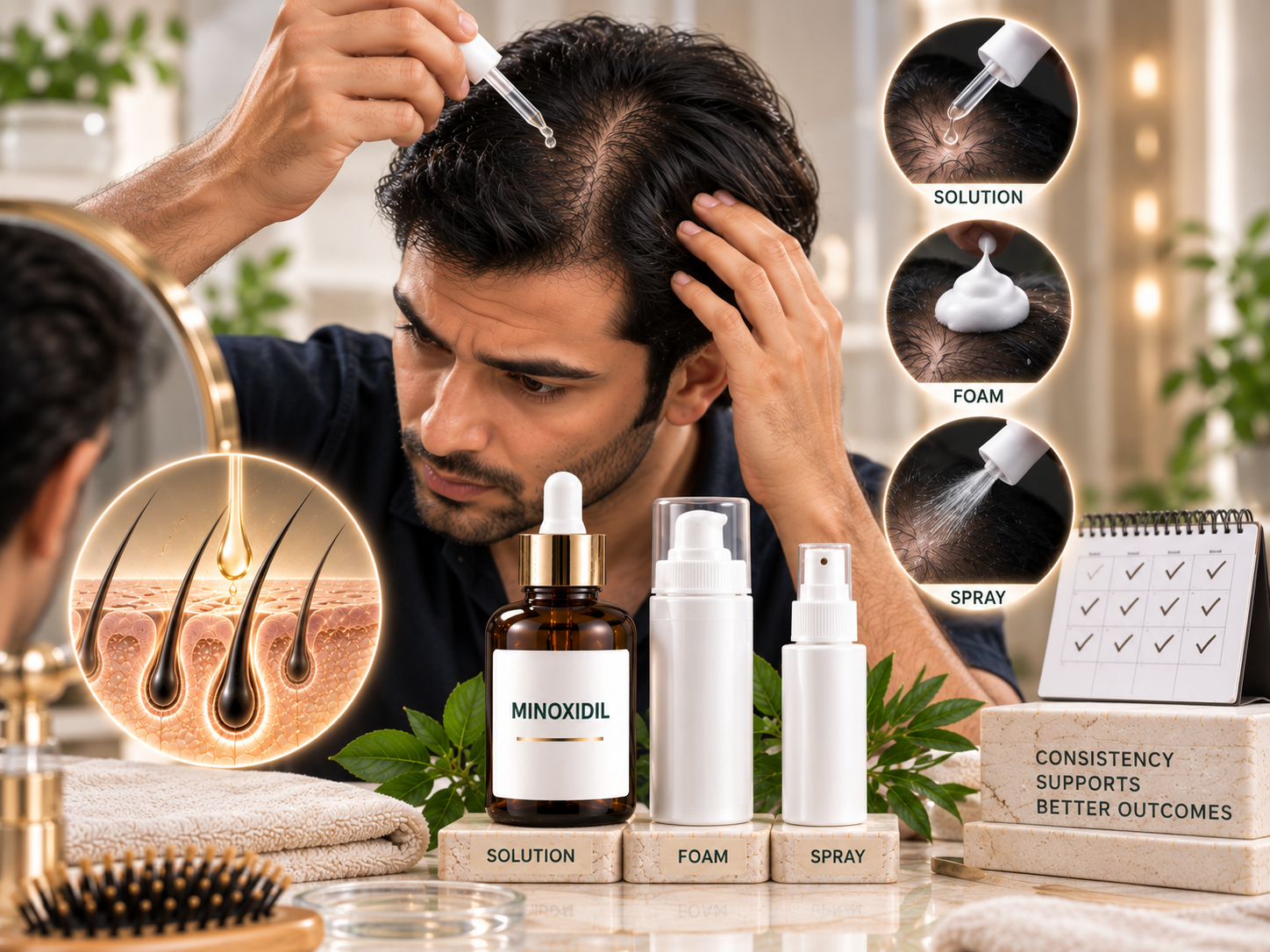
Best for: Pattern hair loss, crown thinning, early-to-moderate density loss
Understand strengths, foam vs solution, side effects, shedding expectations and suitability before starting.
Learn Minoxidil Guide →Dermatologist-Guided Hair Treatment
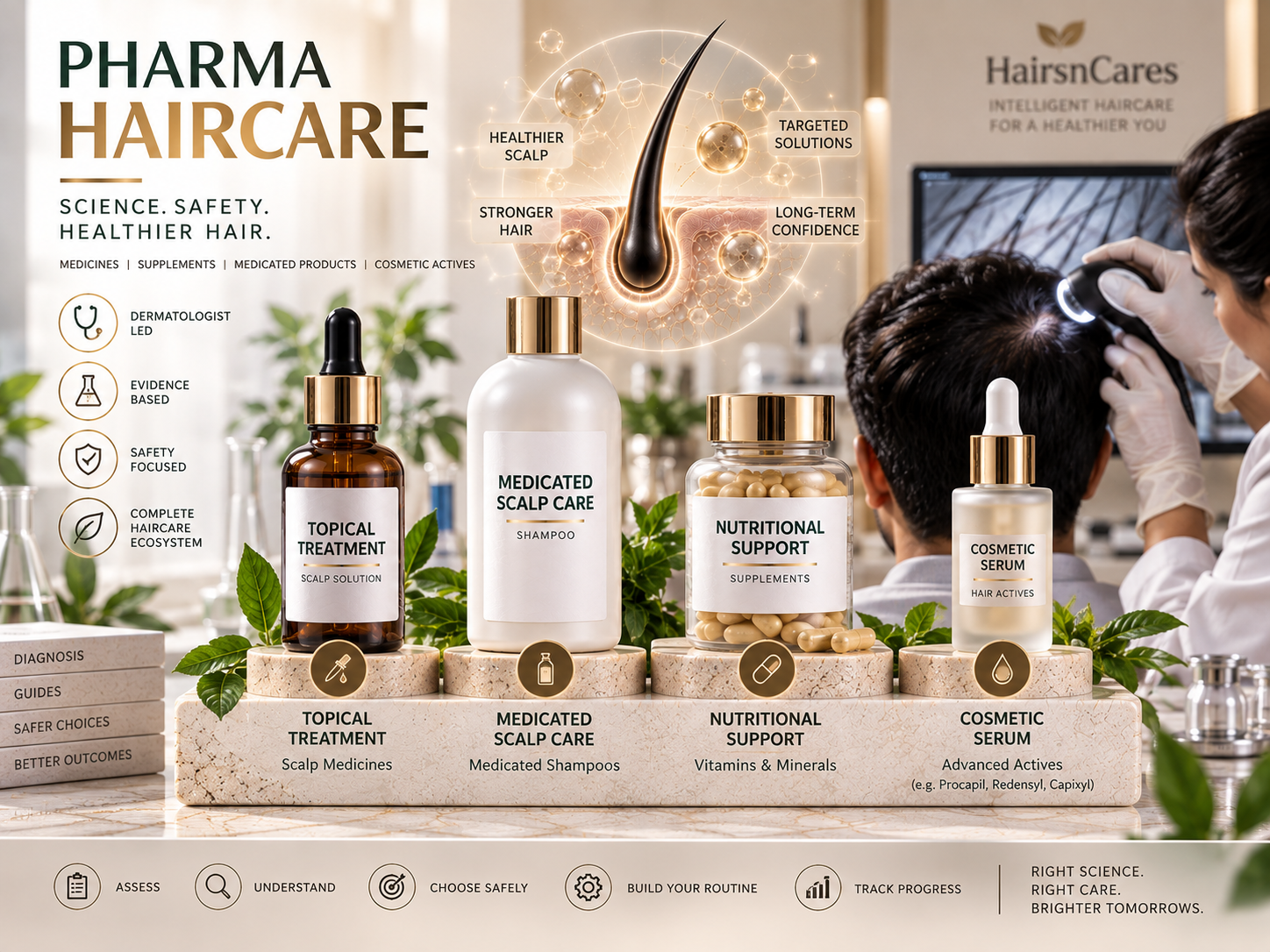
Explore doctor-guided hair treatment products by concern, scalp type, ingredient, safety profile and routine stage — from hair fall serums and dandruff treatments to growth-support, scalp-care and pharma-guided options.
Educational product-selection guidance only. Hair treatments do not replace dermatologist diagnosis. Prescription medicines require qualified medical review. Results vary.
Featured Snippet Answer
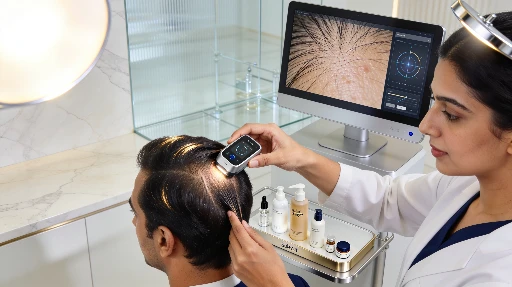
The right hair treatment depends on the cause of hair fall or scalp concern. Dandruff and oily scalp may need targeted scalp treatments. Pattern hair loss may require dermatologist-guided actives such as minoxidil or prescription options where suitable. Hair fall after illness, stress, postpartum changes, PCOS, thyroid imbalance or nutritional deficiency needs diagnosis-first care. Start with AI Hair Test or doctor review before choosing advanced treatments.
Find My Hair TreatmentChoose a treatment pathway based on your concern, scalp type, safety profile and doctor guidance needs. Each guide explains what the ingredient or product type can realistically do, who it may suit, who should avoid it, and when dermatologist supervision is important.

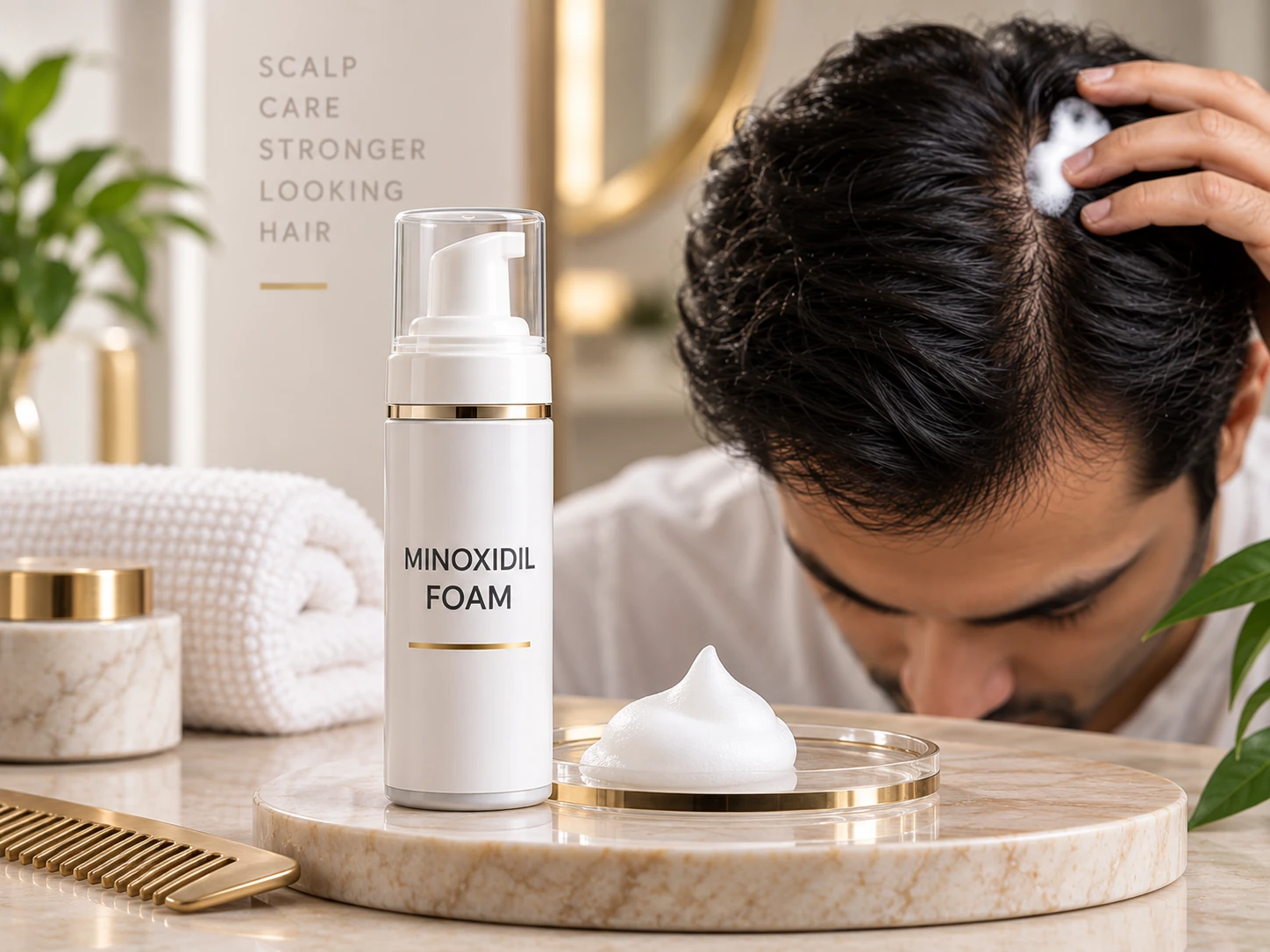
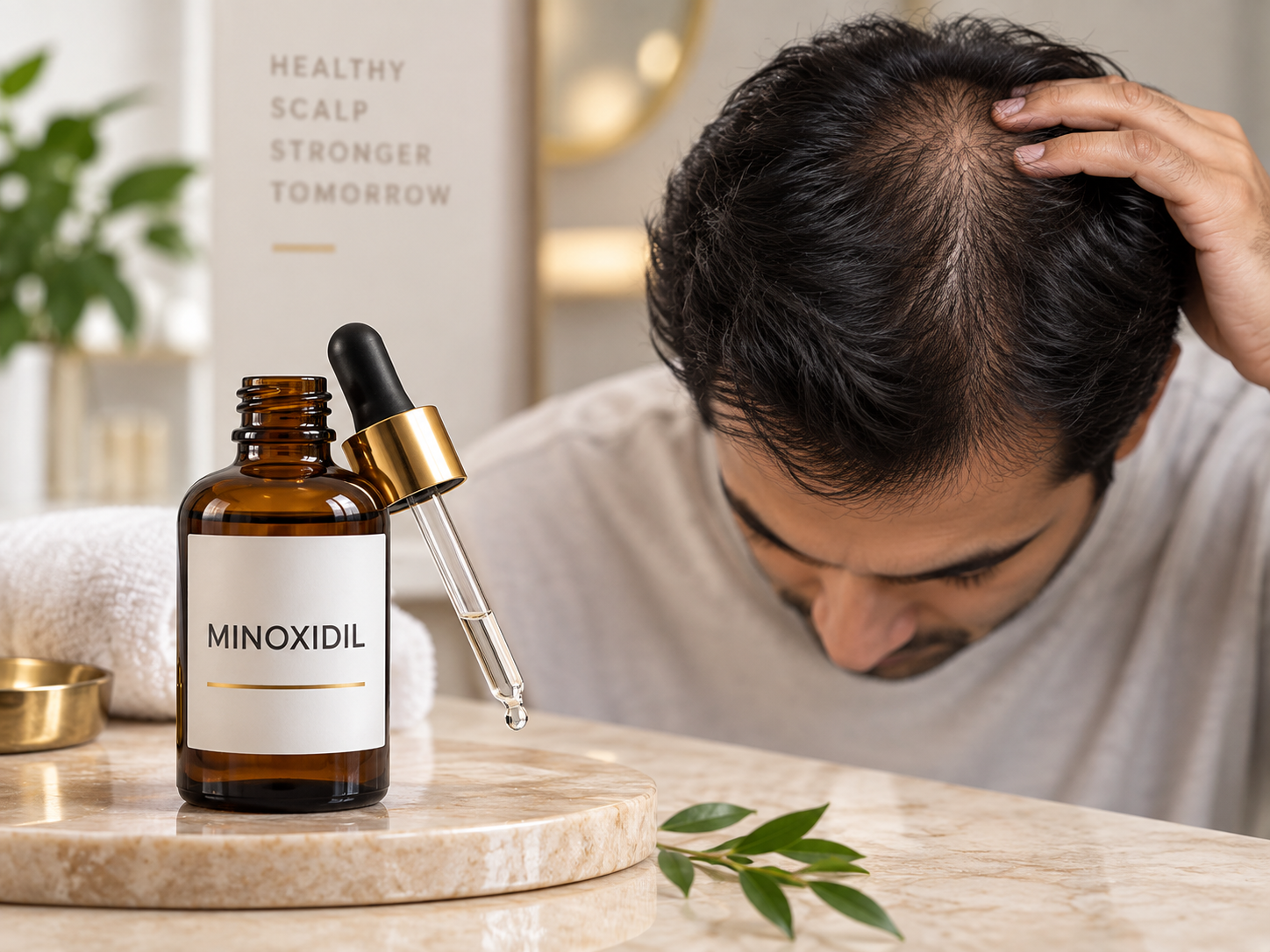
Best for: Pattern hair loss, crown thinning, early-to-moderate density loss
Understand strengths, foam vs solution, side effects, shedding expectations and suitability before starting.
Learn Minoxidil Guide →
Best for: Selected users needing a lower-strength approach
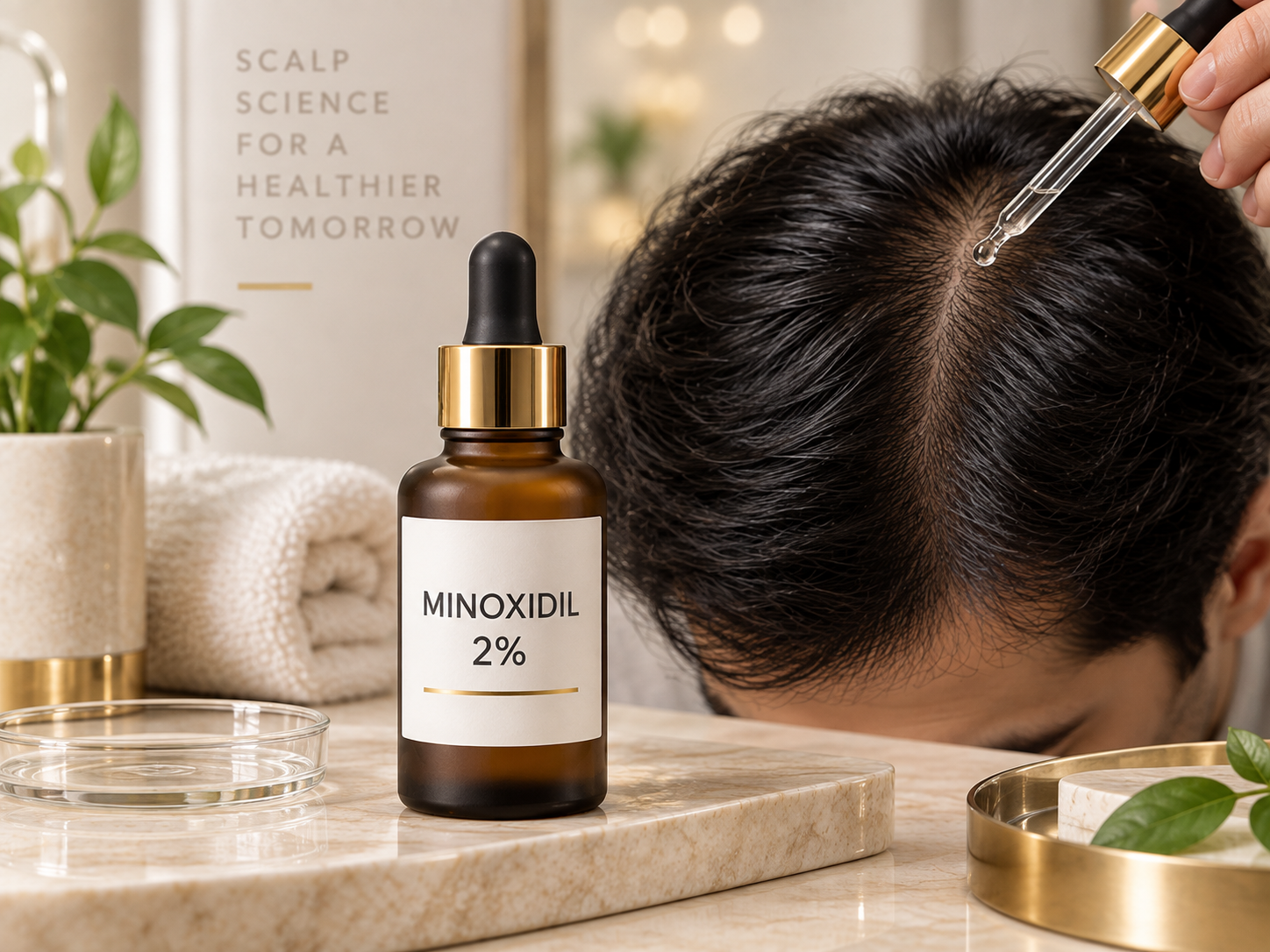
When a lower strength may be considered, how it compares with 5%, and pregnancy, lactation and sensitivity warnings.
Explore 2% Guide →
Best for: Selected pattern hair loss routines
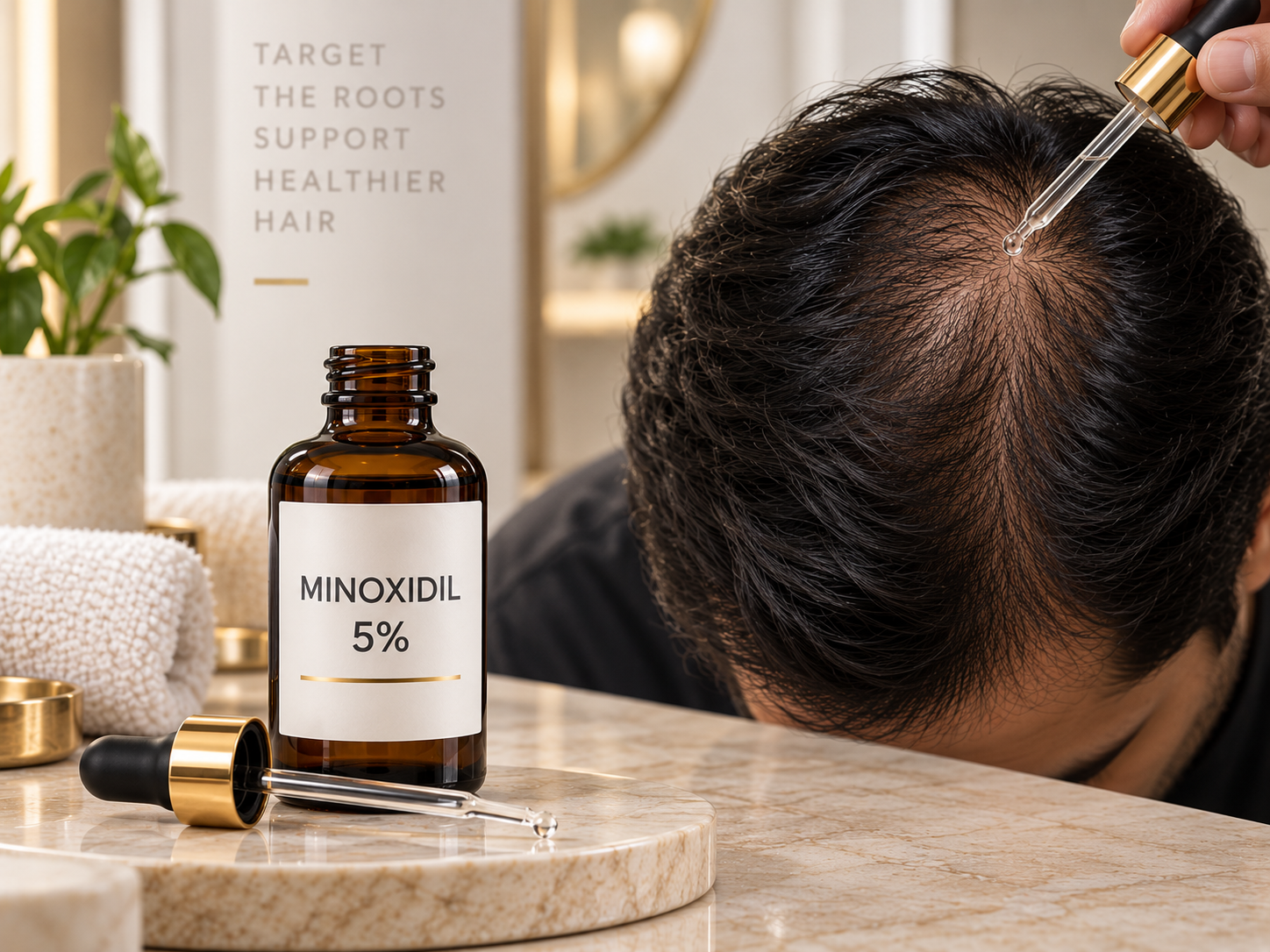
How 5% minoxidil is used, foam vs solution differences, irritation risk, unwanted hair caution and realistic timelines.
Explore 5% Guide →
Best for: Doctor-selected cases only
Higher strength is not automatically more effective or safer. Irritation, systemic symptom caution and supervision explained.
Read Safety Guide →
Best for: Users preferring a lighter, less greasy feel
Compare foam with solution, application comfort, scalp sensitivity and practical usage tips.
Compare Foam →
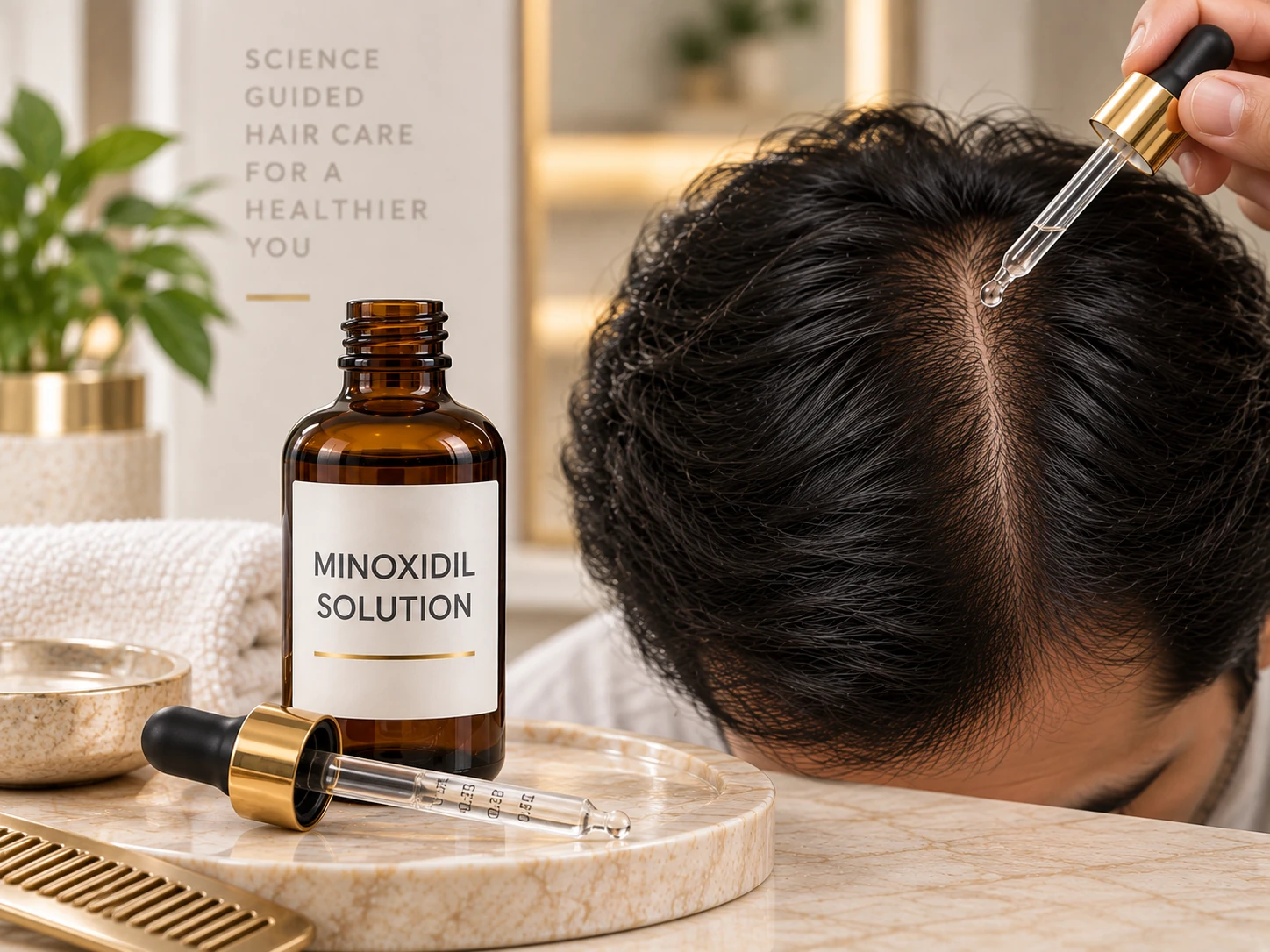
Best for: Targeted scalp application
Solution application, strengths, scalp irritation risk and how it differs from foam.
Compare Solution →
Best for: Selected male pattern hair loss cases
How finasteride acts on DHT, possible side effects, who should avoid it and why doctor discussion is important.
Learn Finasteride Guide →
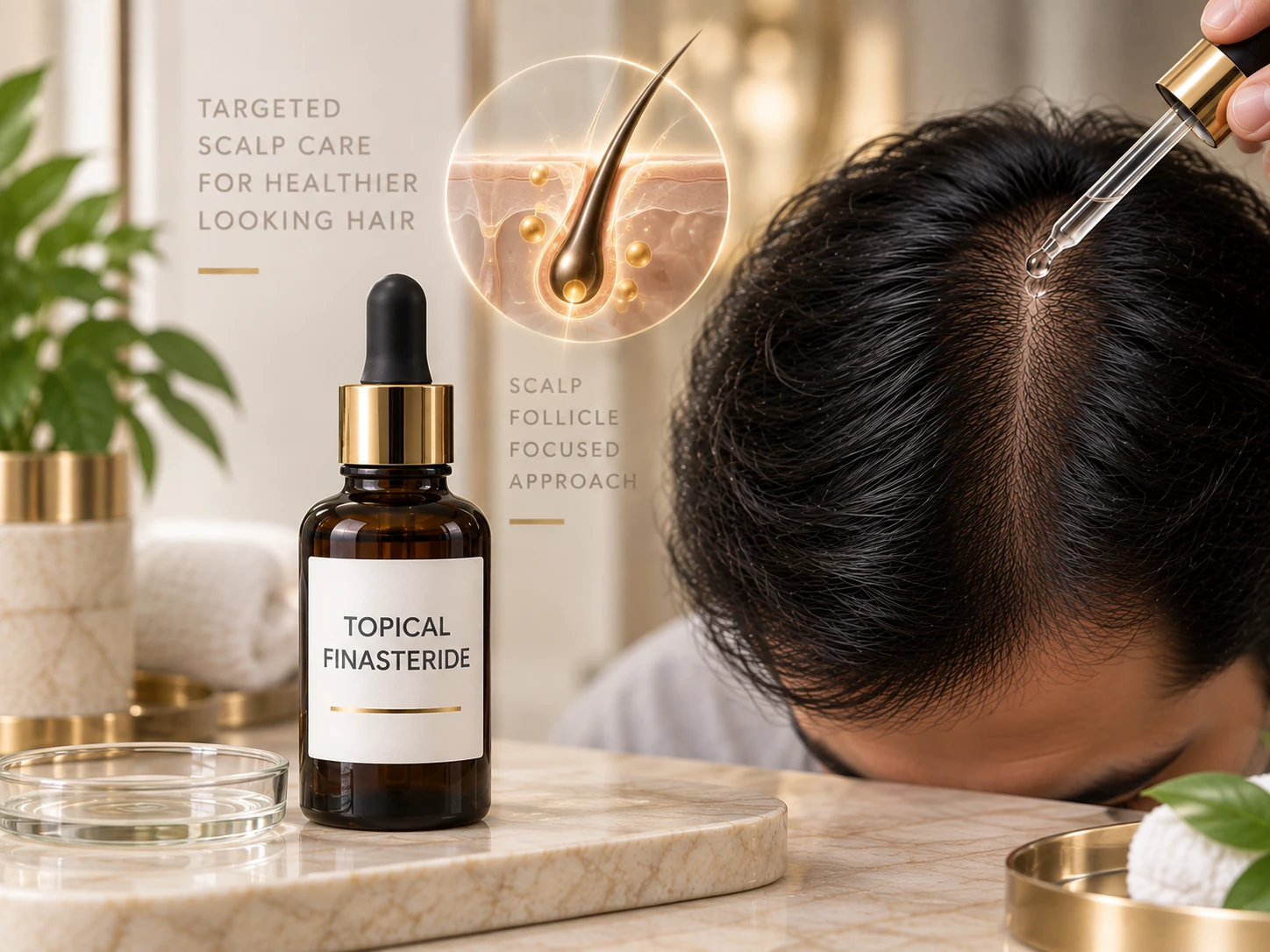
Best for: Doctor-selected cases where topical route is considered
Topical does not mean risk-free. How topical finasteride differs from oral use and when supervision is needed.
Explore Topical Guide →

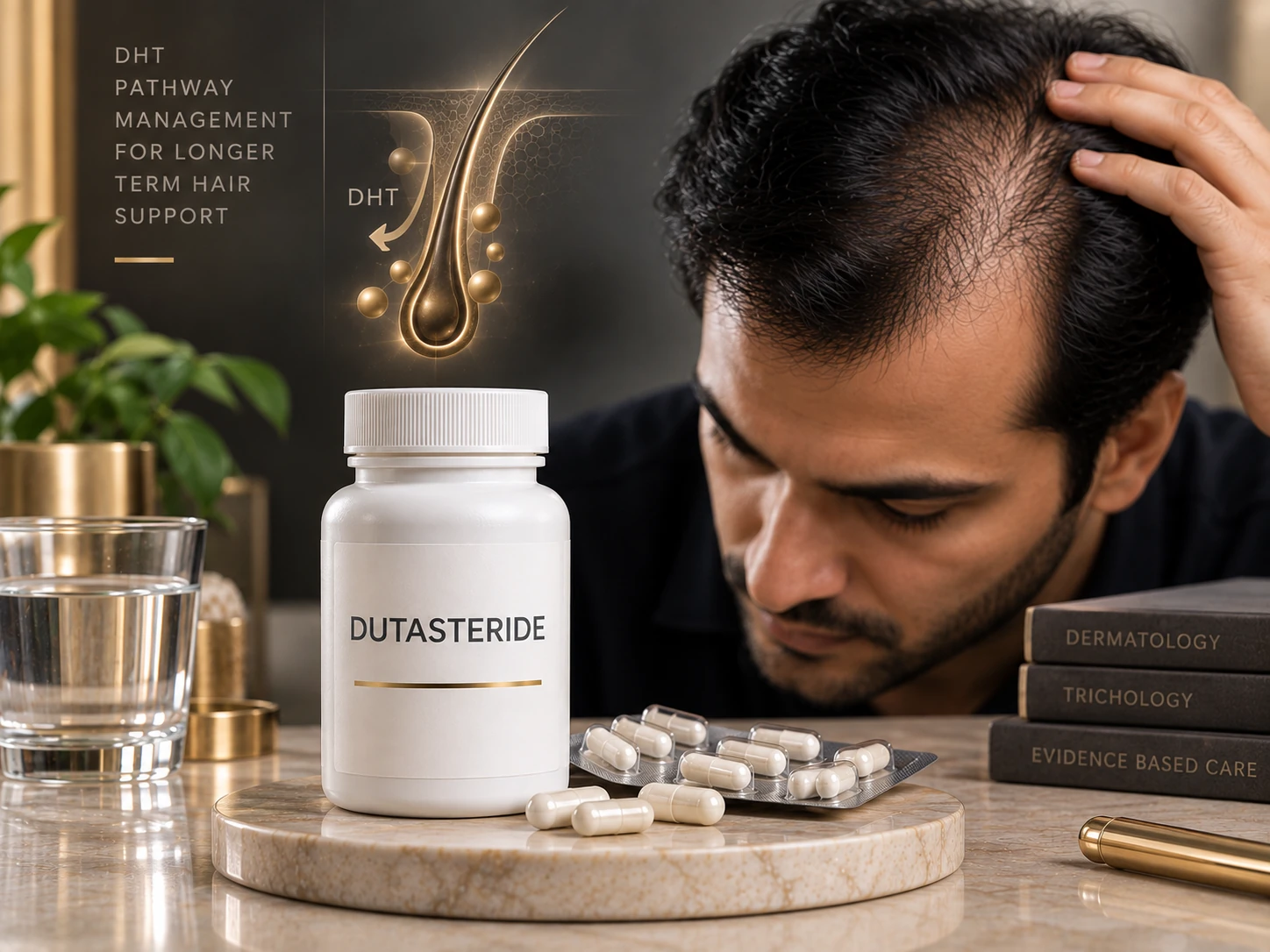
Best for: Selected advanced DHT-related cases
Dutasteride requires careful medical decision-making. How it differs from finasteride and why it is not for casual self-use.
Learn Dutasteride Guide →
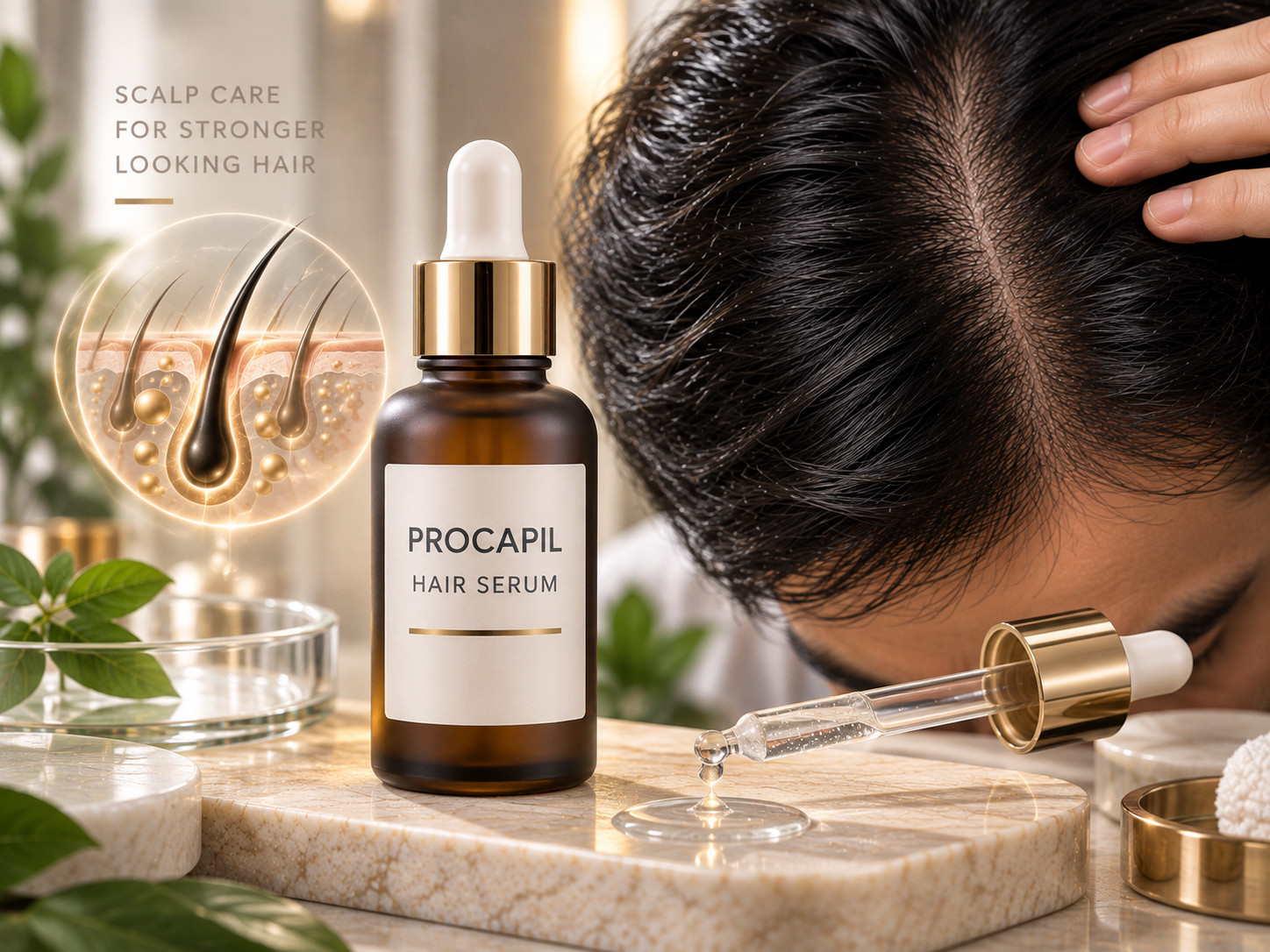
Best for: Hair-support routines and cosmetic density support
Procapil-based serums, formula-dependent evidence, realistic expectations and safe routine use.
Explore Procapil →
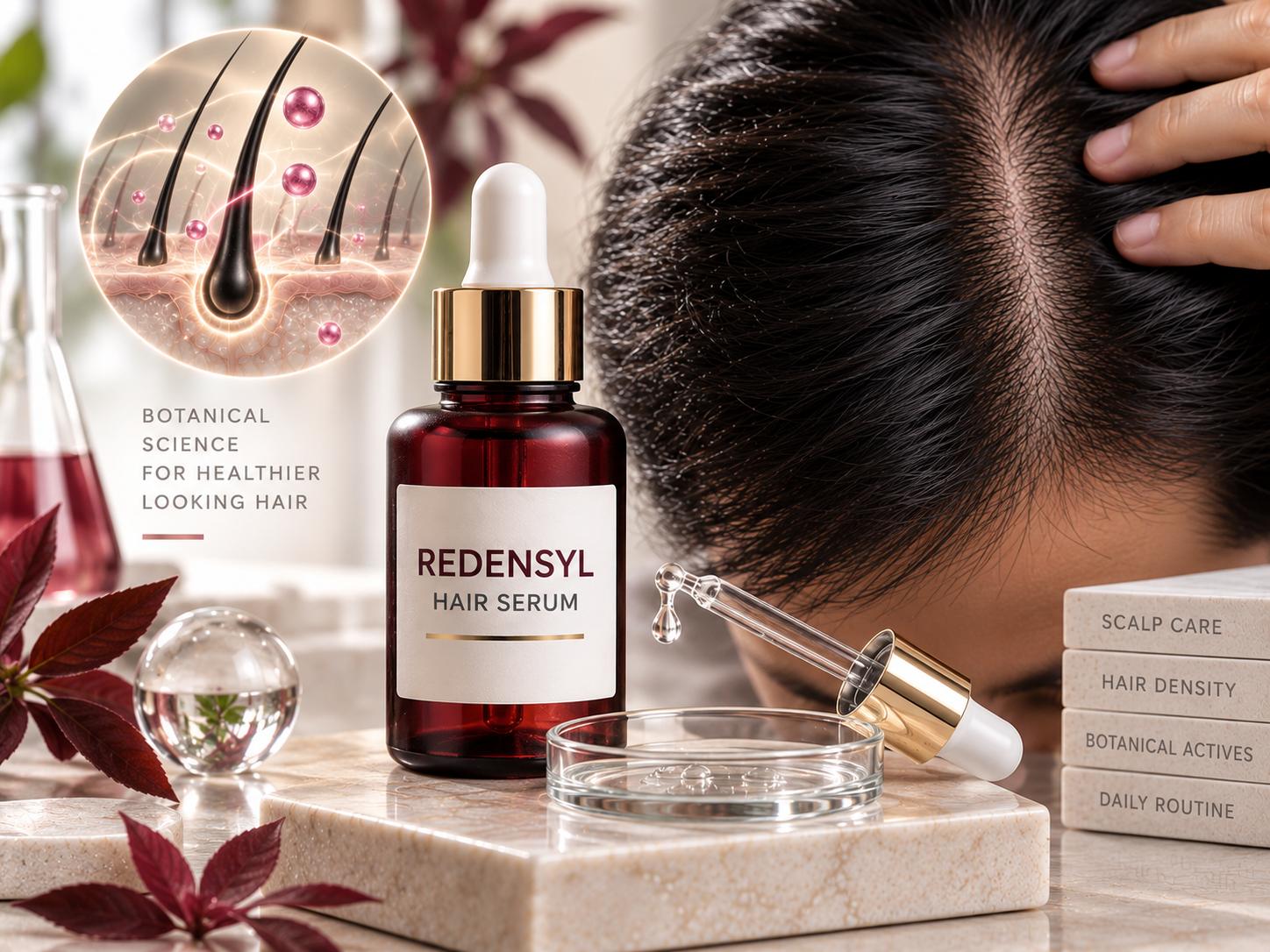
Best for: Non-prescription serum routines
What Redensyl products can and cannot do, how formula quality matters and why results vary.
Explore Redensyl →
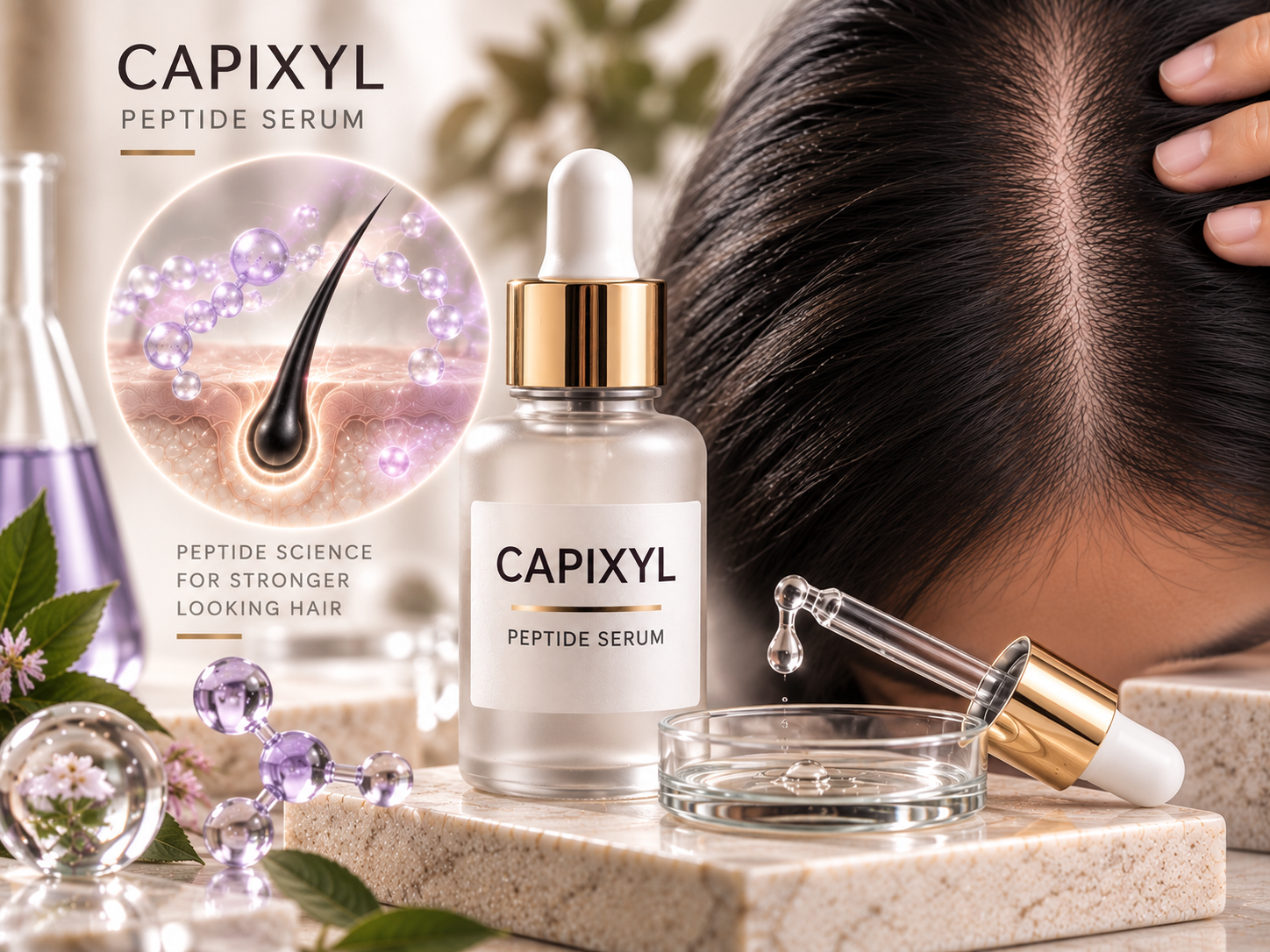
Best for: Supportive serum routines
Capixyl peptide-based cosmetic support, safety notes and how it compares with medical treatment expectations.
Explore Capixyl →
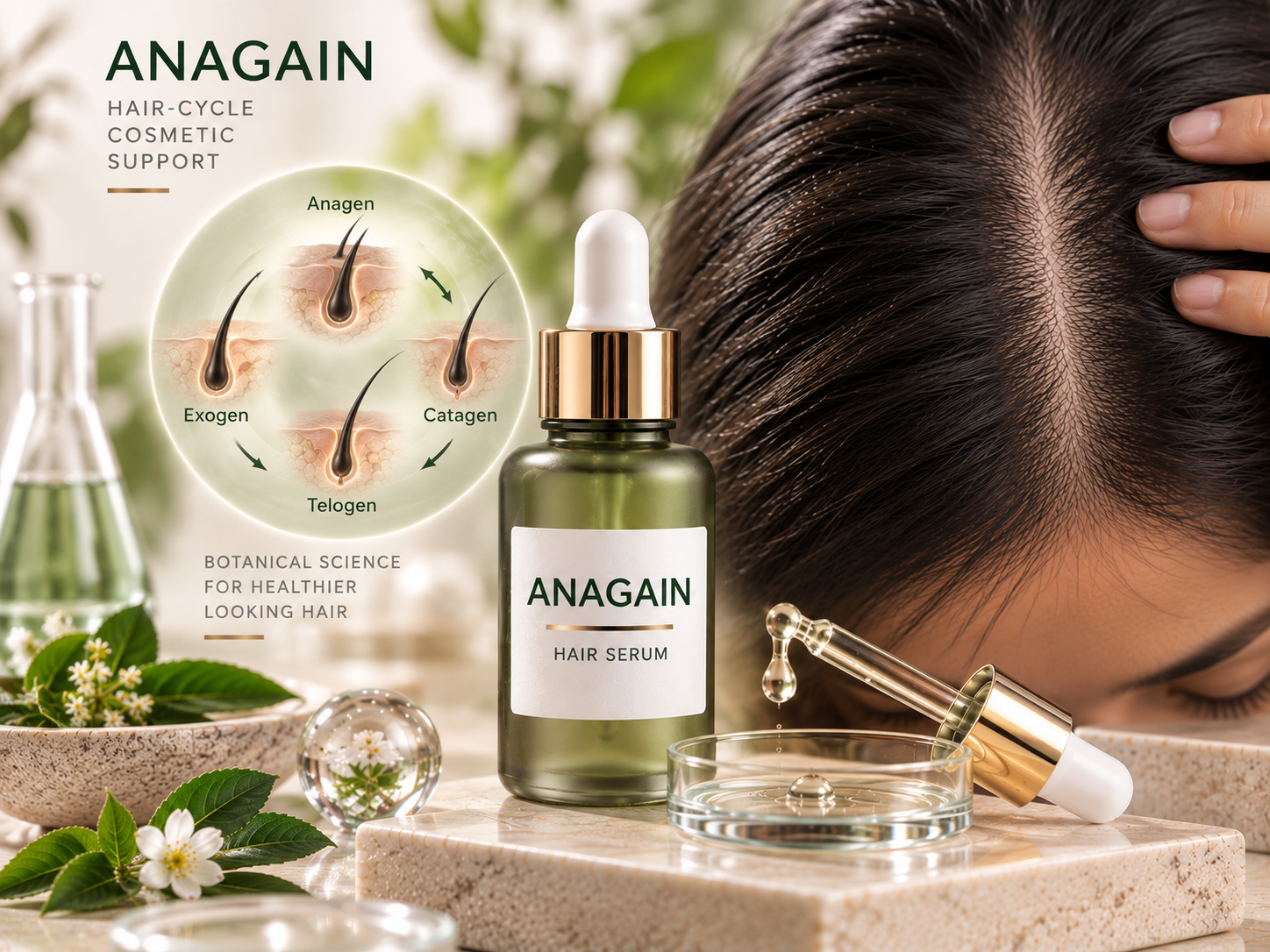
Best for: Supportive cosmetic hair routines
How AnaGain is used in cosmetic hair-cycle support products and how to judge expectations safely.
Explore AnaGain →
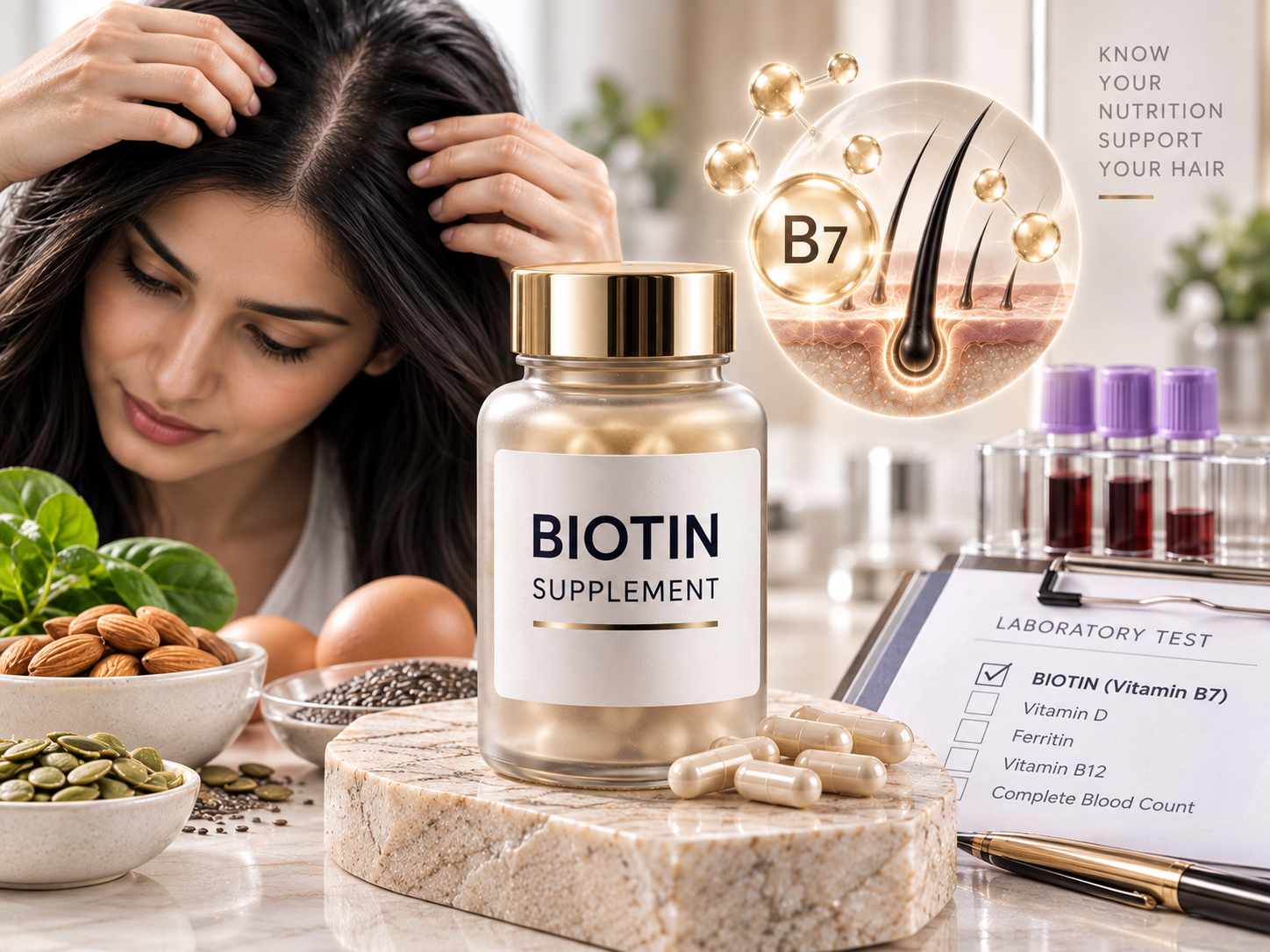
Best for: Confirmed or suspected biotin-related nutritional gaps
Biotin is often overused. When it may help, lab-test interference caution and why blind high-dose use is not ideal.
Read Biotin Guide →
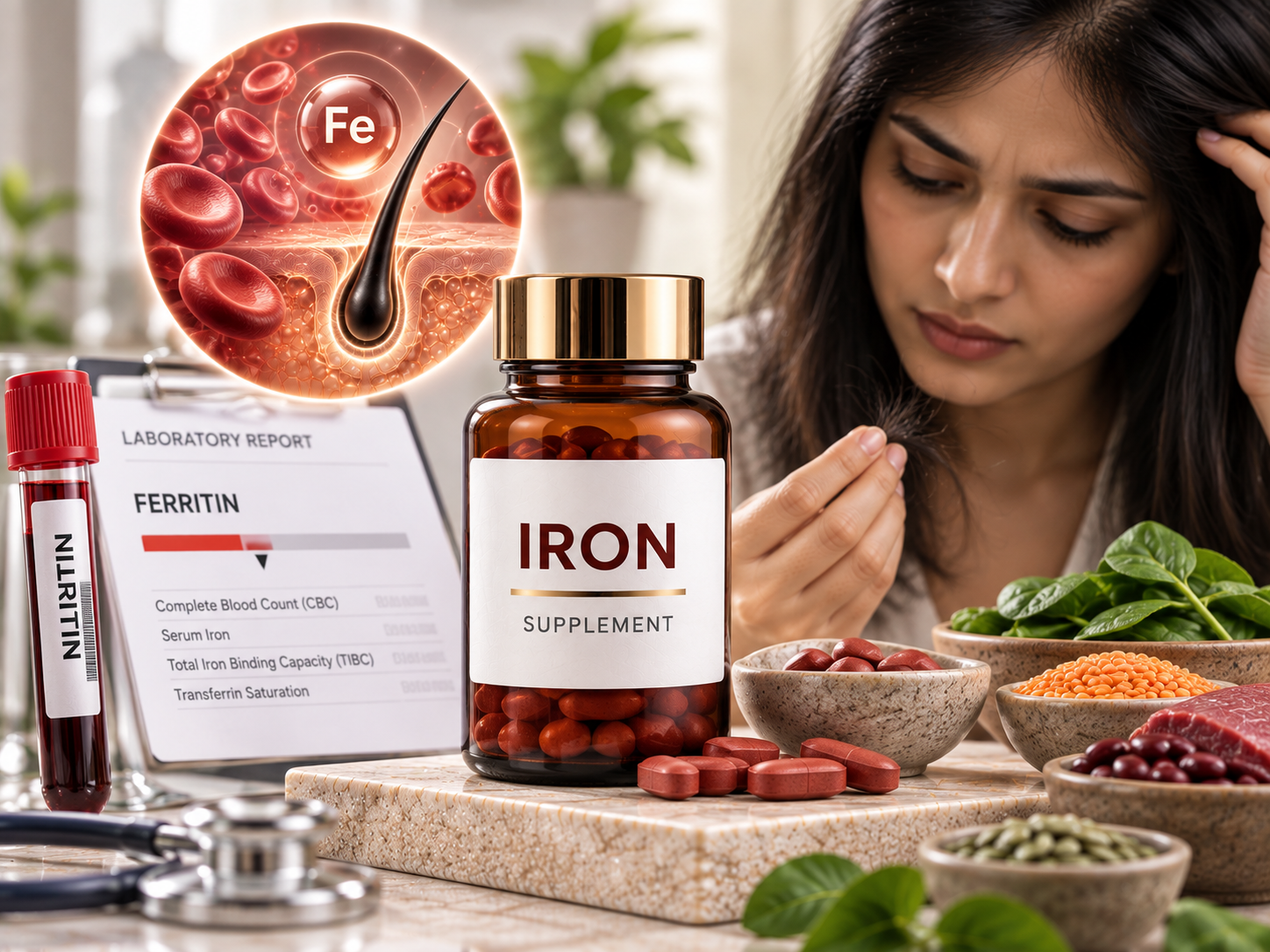
Best for: Hair fall with confirmed low iron or ferritin
Iron can help when deficiency is present, but unnecessary use may cause side effects. Ferritin, testing and doctor guidance.
Read Iron Guide →
Best for: Confirmed vitamin D deficiency
Vitamin D deficiency relevance, calcium and kidney safety, and why testing is important before high-dose supplementation.
Read Vitamin D Guide →
Best for: Diet gaps or doctor-suggested support
Multivitamins may support nutritional gaps, but they are not a magic hair-growth shortcut. Safe use and stacking cautions.
Read Multivitamin Guide →Pattern hair loss may respond to targeted treatment with dermatologist guidance.
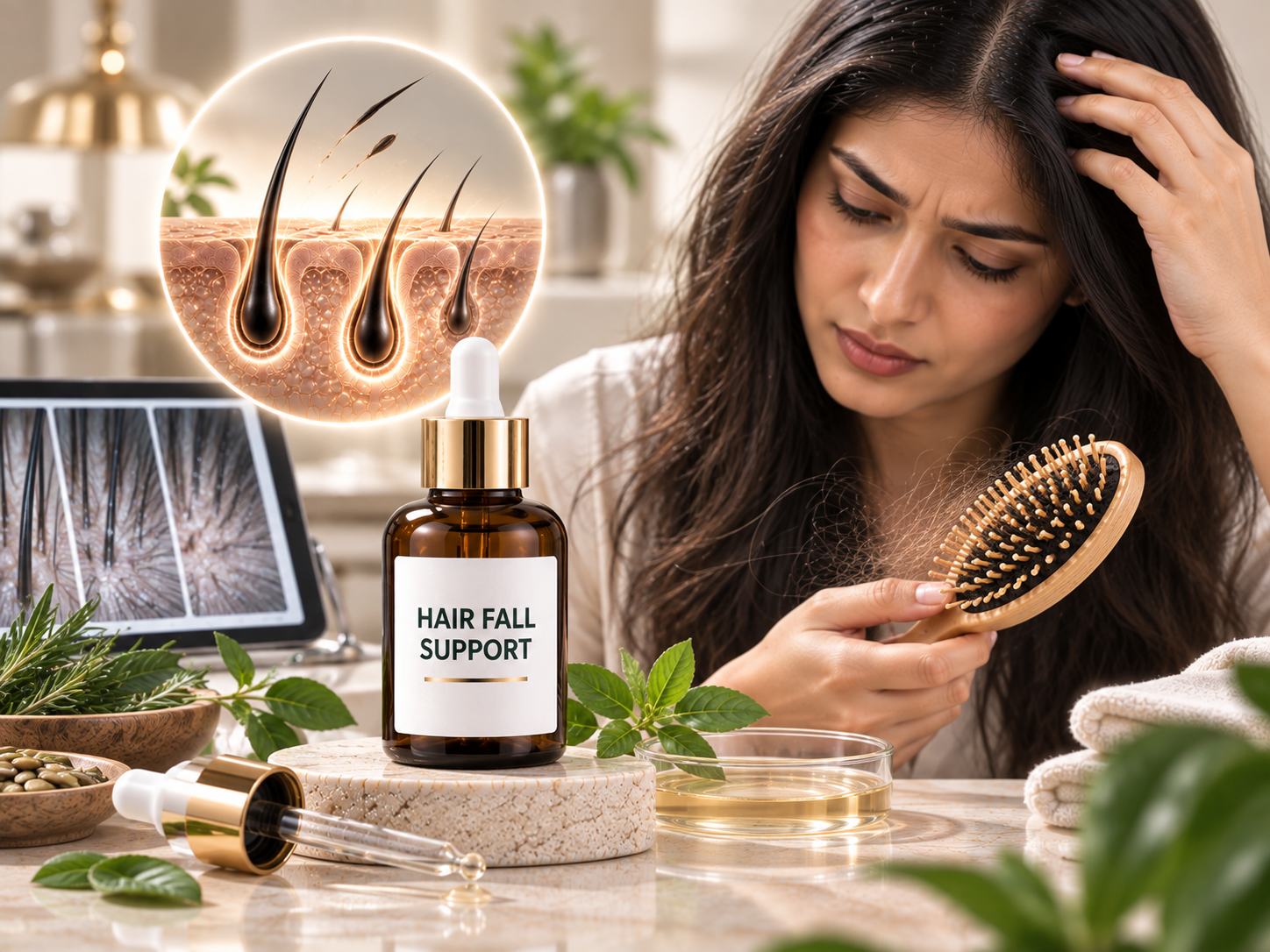
Scalp-first treatment may address inflammation that contributes to hair fall.
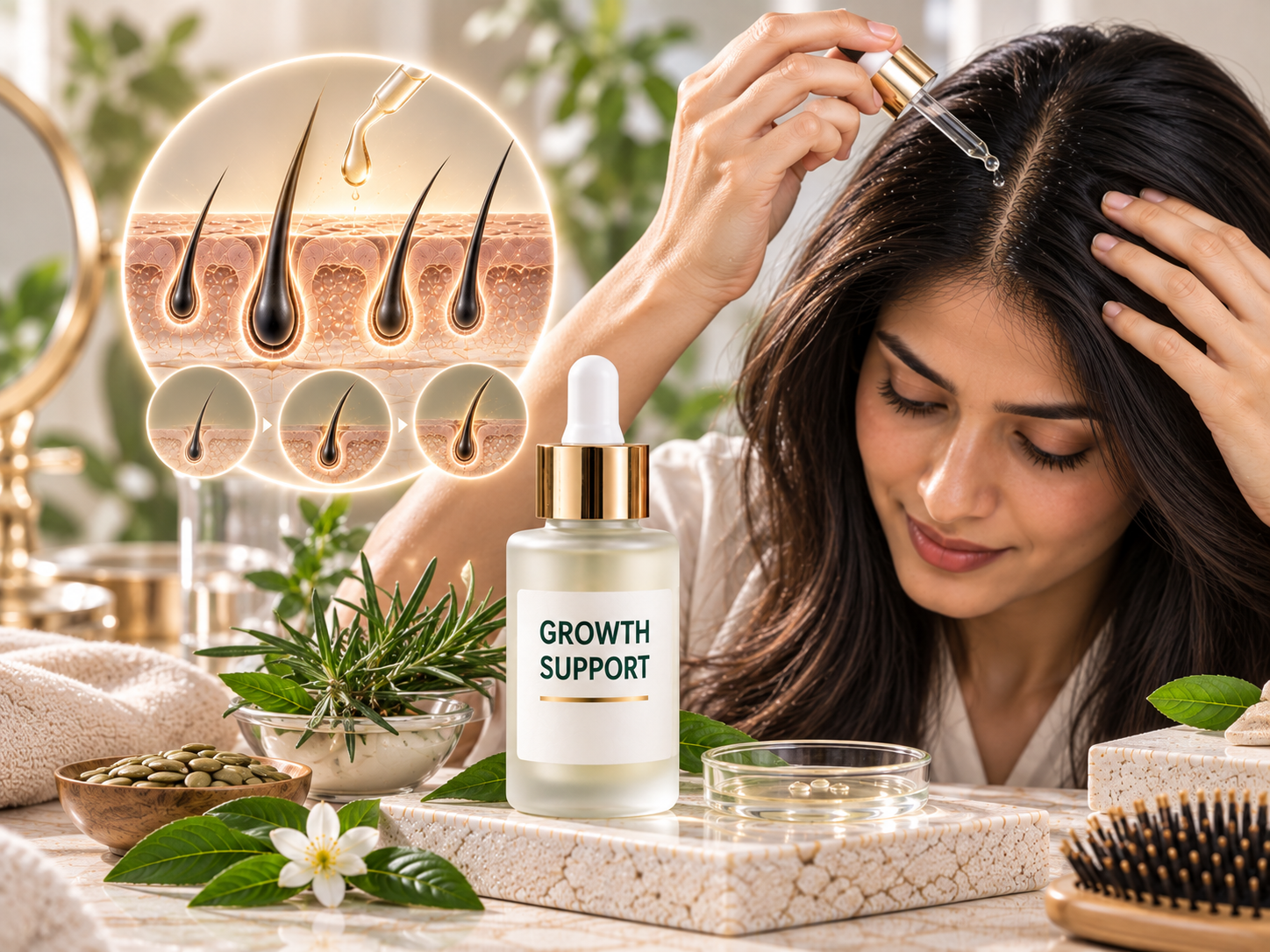
Cosmetic serums offer supportive care while you assess the cause.
Deficiency-driven hair fall responds best when the gap is identified and corrected.
Format matters. Some users tolerate foam better than solution, and vice versa.
Hair treatment products are not one-size-fits-all. Minoxidil, finasteride, dutasteride and medicated shampoos may need medical guidance depending on your age, gender, pregnancy status, scalp condition, health history and current medicines.
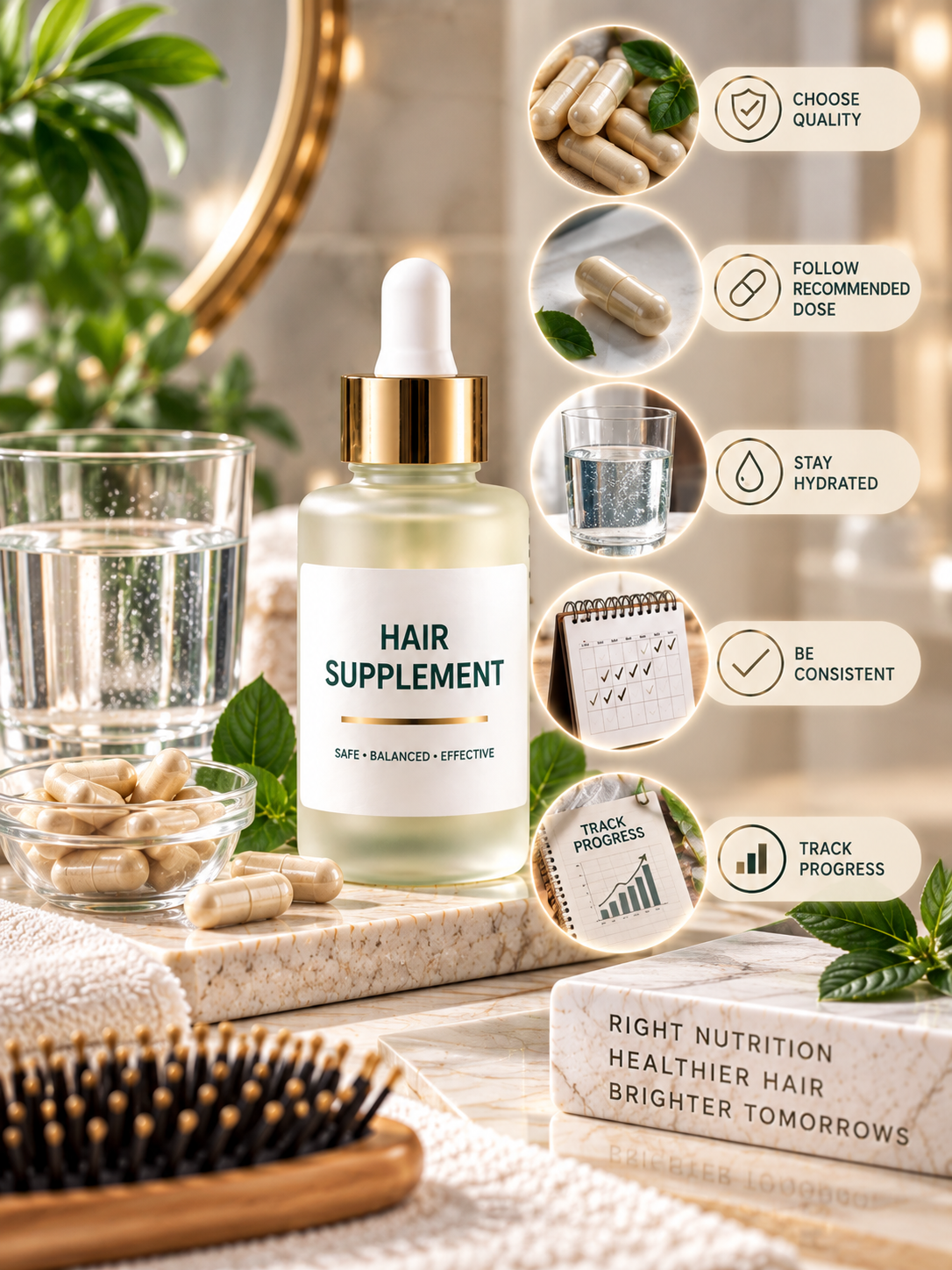
Supplements like iron, vitamin D and biotin should not be started blindly at high doses. They are most useful when a deficiency or dietary gap is confirmed.
This page is educational and does not replace dermatologist consultation, diagnosis or prescription.
Start with a guided hair assessment instead of guessing between serums, medicines, shampoos and supplements.
Smart Finder
Treatment Categories
For users experiencing increased shedding, weak hair or routine-related hair fall. Diagnosis-first logic for sudden or severe shedding.
Shop Hair Fall TreatmentsFor growth-support routines using serums, leave-on actives, scalp-support treatments and doctor-guided products. Results vary with consistency.
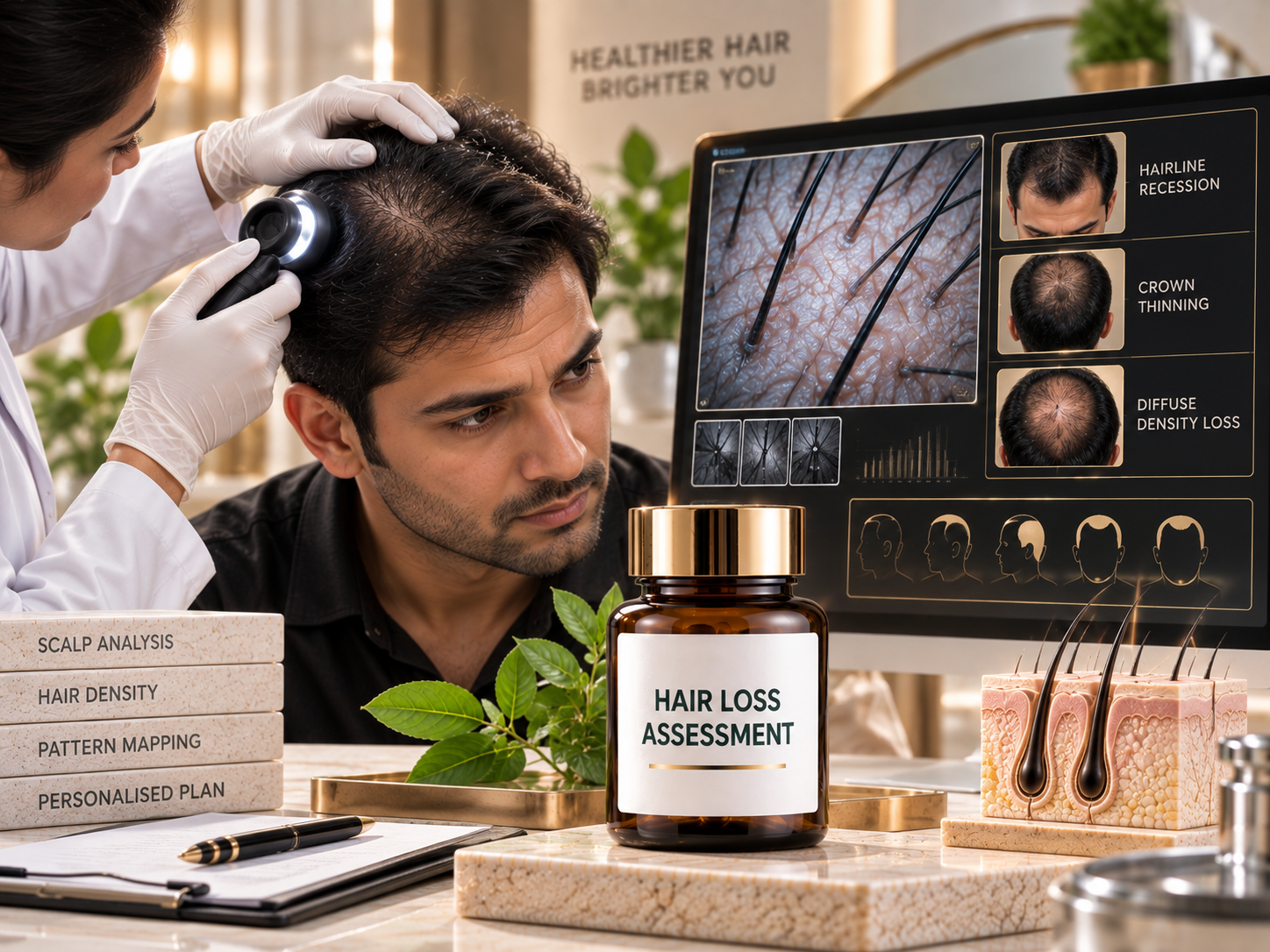
Shop Hair Growth TreatmentsFor patterned thinning, receding hairline, crown thinning and density loss. Dermatologist guidance and red-flag triage essential.
For users considering minoxidil solution, foam or spray. Explains consistency requirements, shedding phase, timelines and suitability checks.
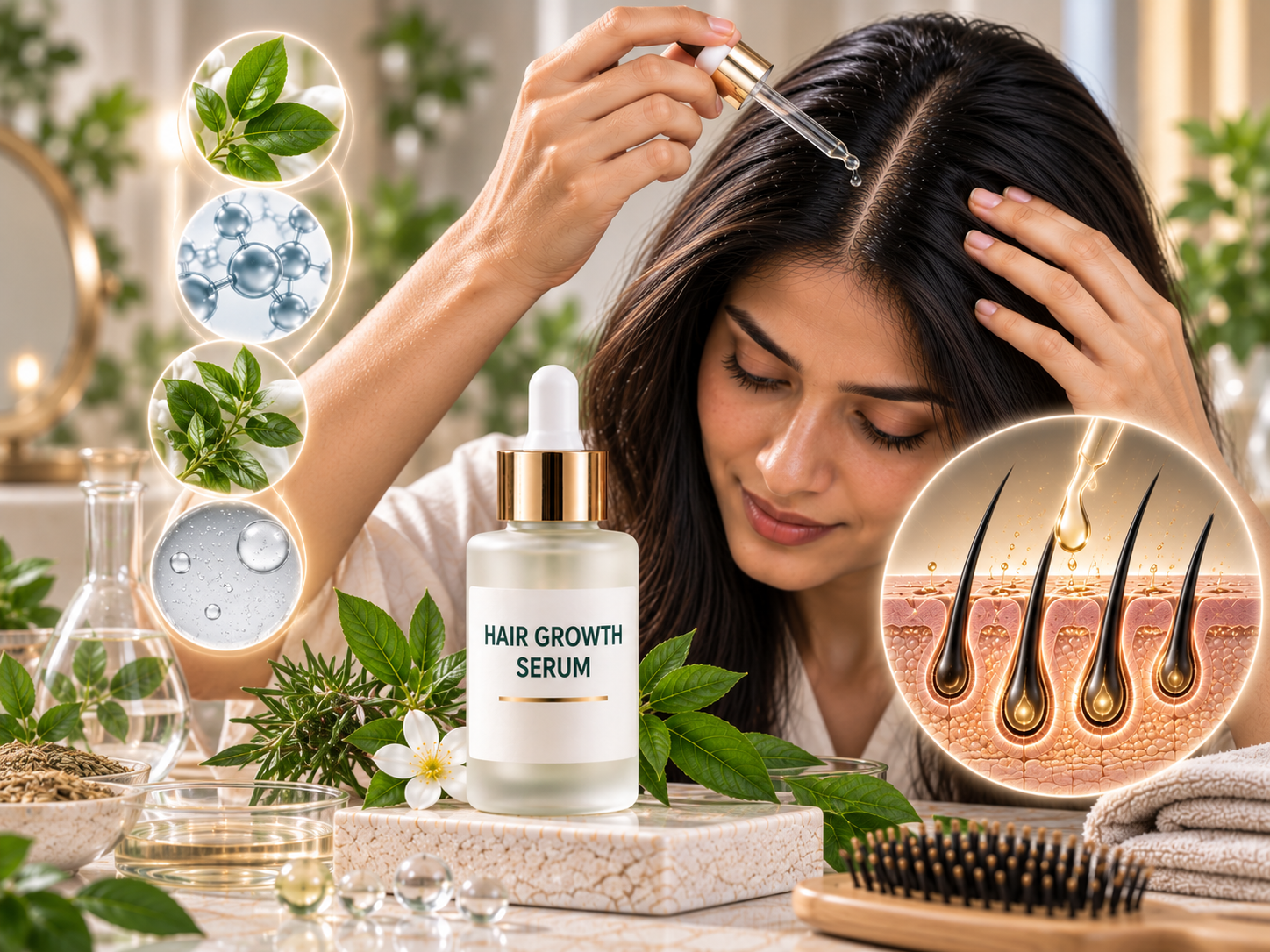
Leave-on growth-support products with actives such as Redensyl, Procapil, Capixyl, peptides or caffeine. Cosmetic-grade support.
Shop Hair Growth SerumsSupportive hair fall routines using leave-on serums. Product choice depends on hair fall type and scalp condition.
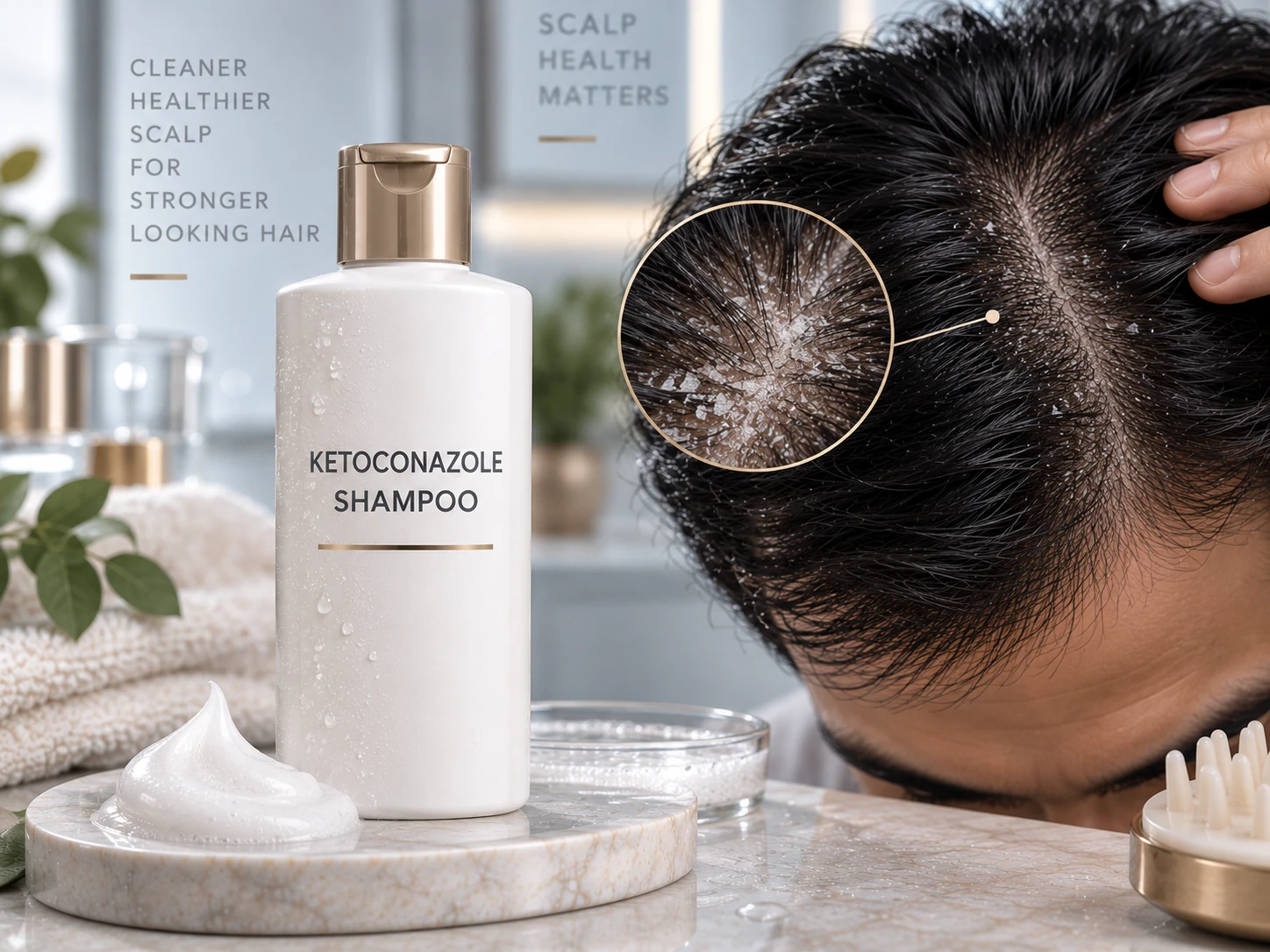
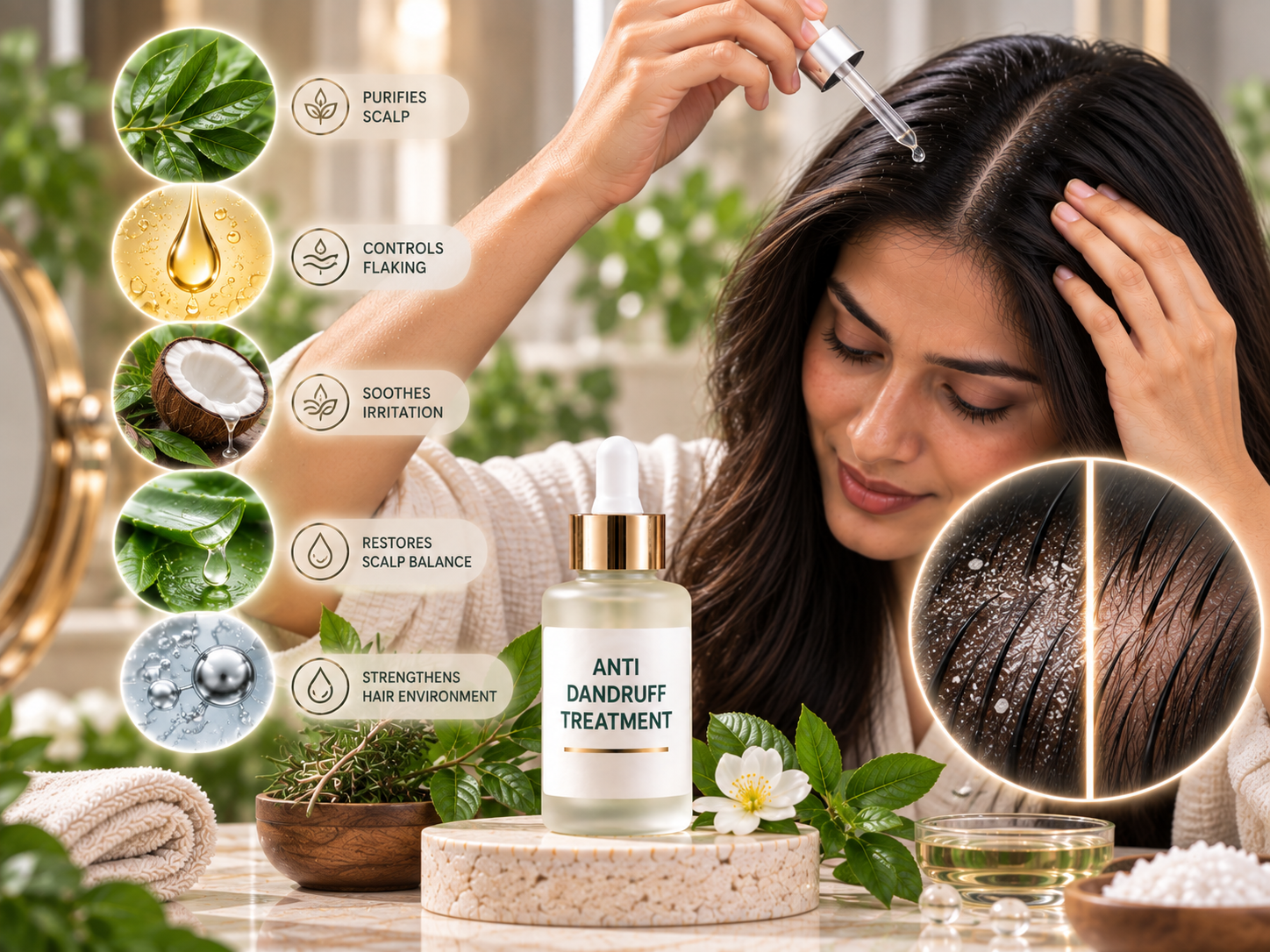
Shop Hair Fall SerumsFor dandruff, flakes, itch and seborrheic-prone scalp using shampoos, lotions or scalp treatments.
Leave-on scalp support for dandruff-prone users. Not suitable for infected or inflamed scalp without doctor guidance.
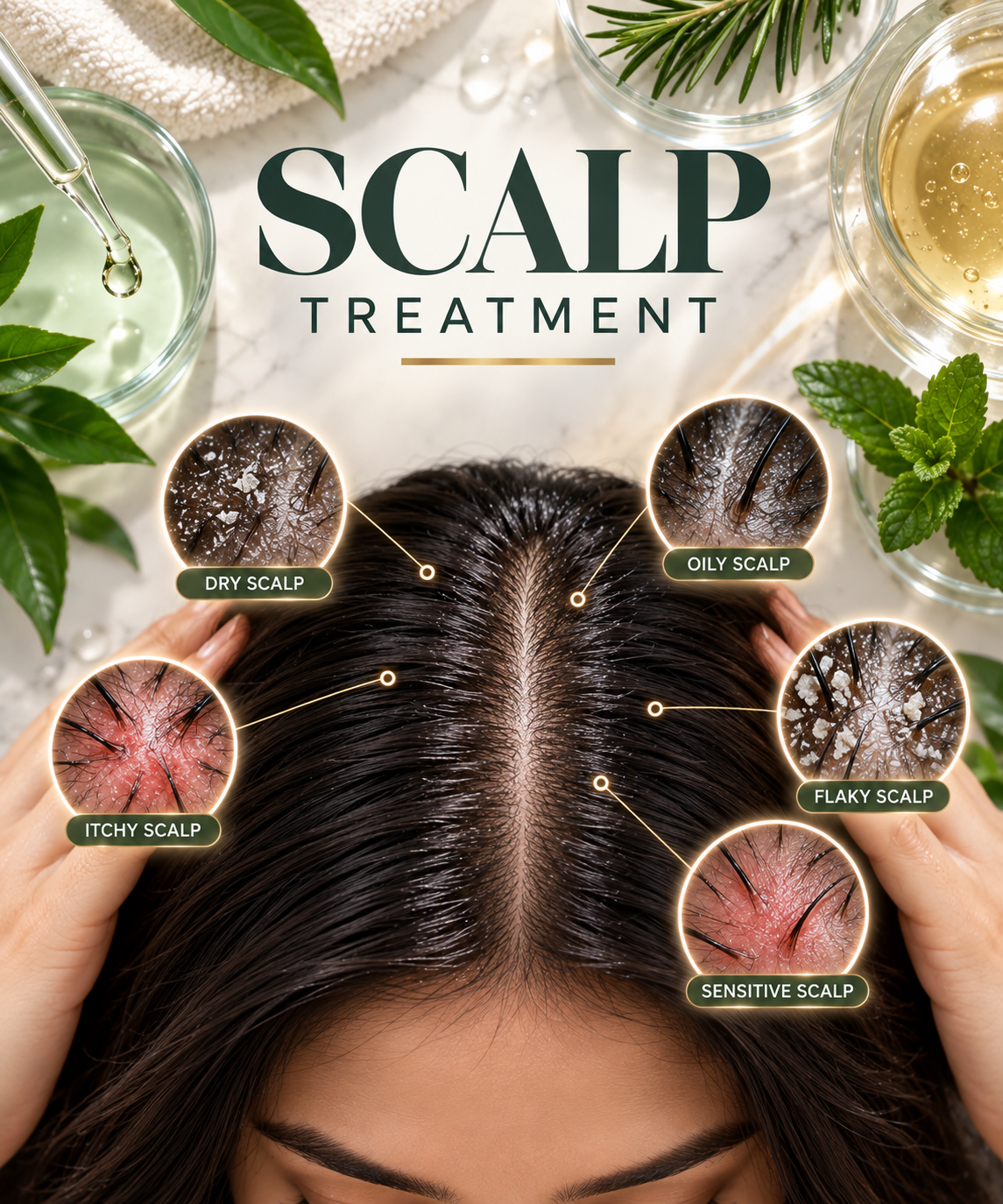
Shop Anti-Dandruff LotionsFor dry, oily, itchy, flaky or sensitive scalp treatment routines targeting scalp health and comfort.
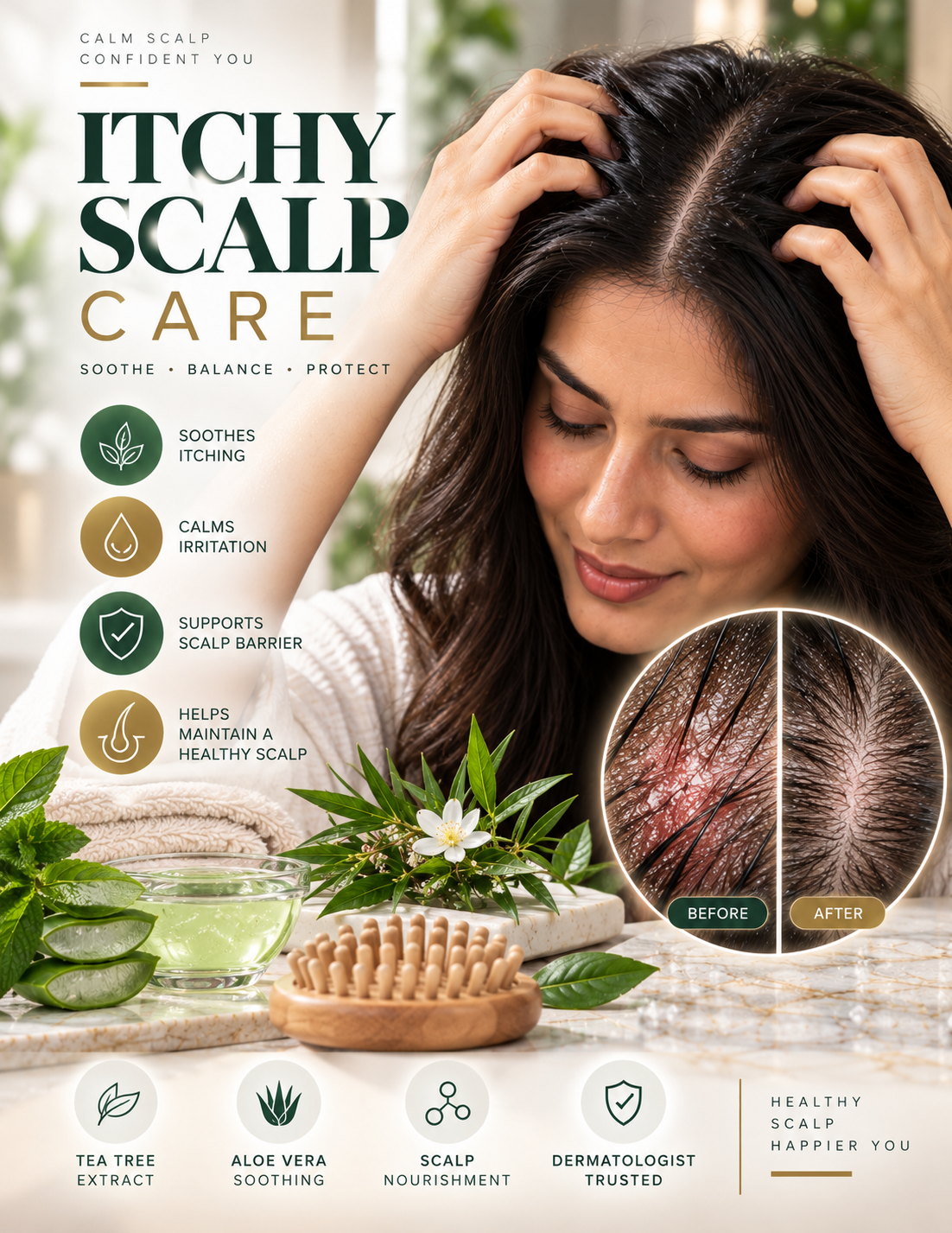
Shop Scalp TreatmentsFor itch-prone scalp with safety guidance. Severe itch, redness or infection signs need doctor review before any topical treatment.
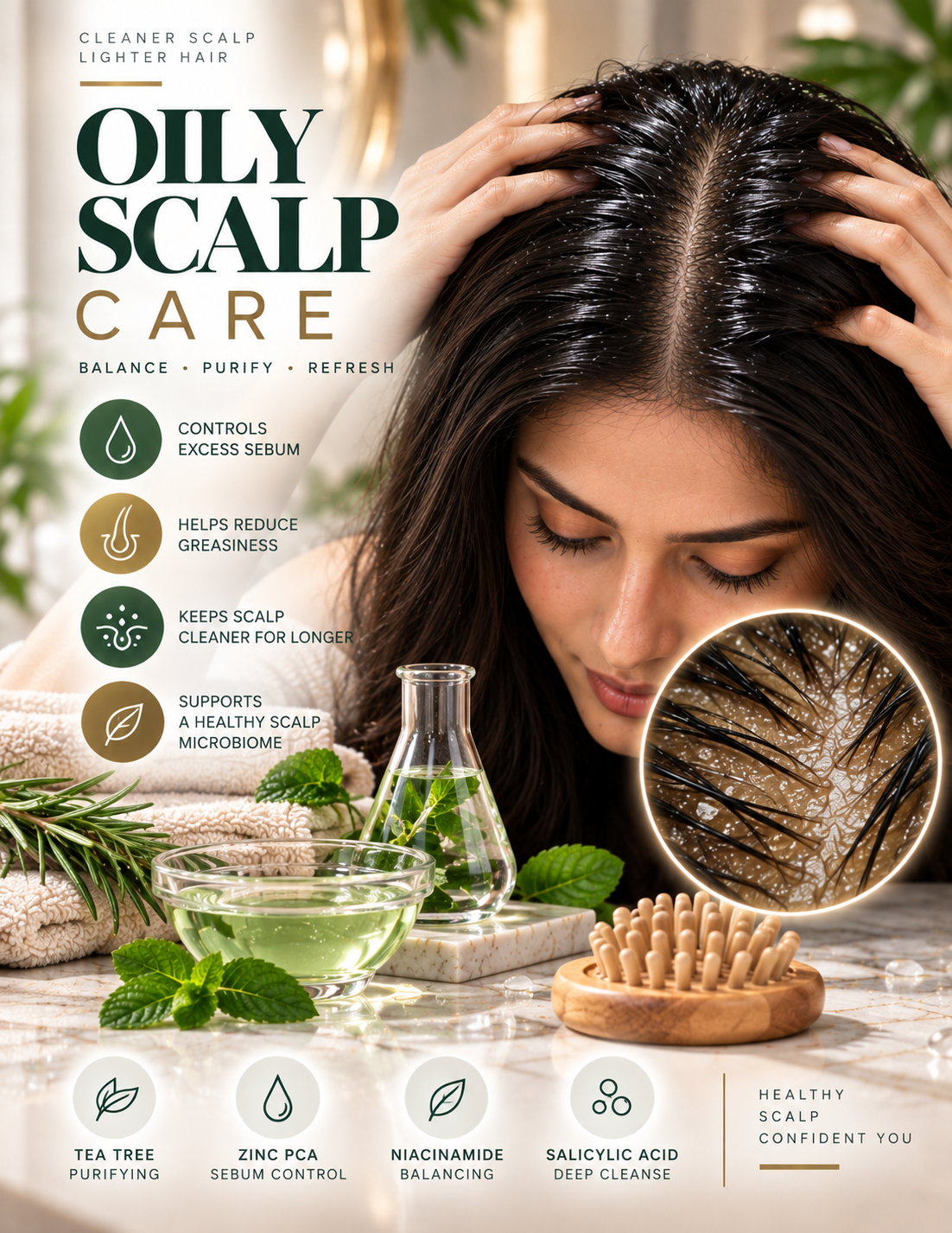
Shop Itchy Scalp TreatmentsFor sebum control, scalp buildup, sweat and greasy scalp care with oil-regulating treatments.
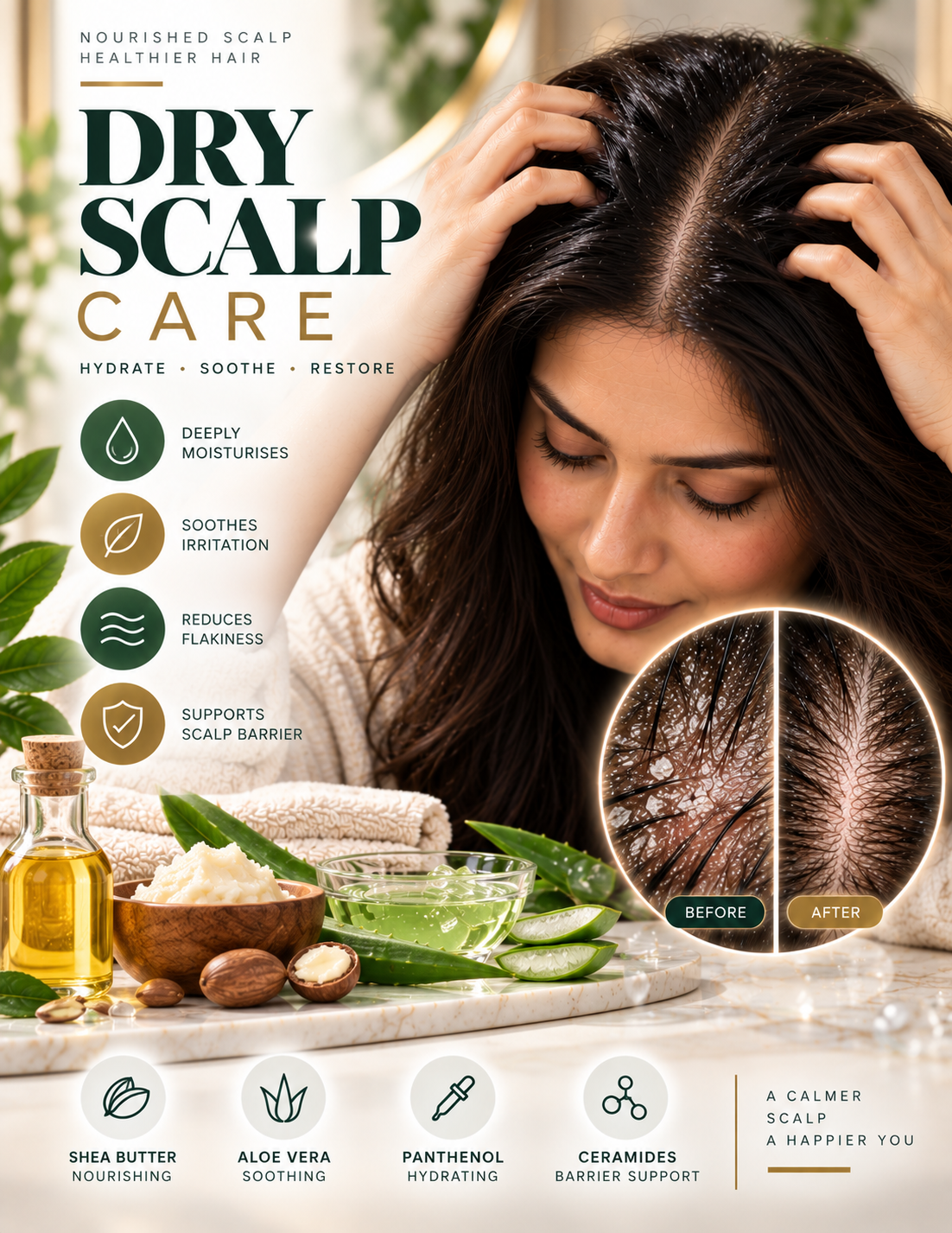
Shop Oily Scalp TreatmentsFor scalp tightness, dryness, comfort and barrier-friendly routines supporting scalp hydration and comfort.
Shop Dry Scalp TreatmentsDoctor-guided or prescription-regulated hair treatment products for clinical hair loss management.
Explore Pharma TreatmentsProducts requiring valid prescription or doctor review. Upload your prescription for guided product access.
For male hair fall, receding hairline, crown thinning, dandruff and oily scalp concerns.
Shop Men's Hair TreatmentsFor female thinning, widening part, postpartum shedding, PCOS, menopause and thyroid-linked hair concerns.
Shop Women's Hair TreatmentsFor PCOS-linked thinning and shedding. Supplements do not correct hormonal imbalance alone.
For shedding after delivery with breastfeeding-safe guidance and doctor-reviewed product recommendations.
For gradual density loss, dryness and hormonal transition-related thinning in women over 40.
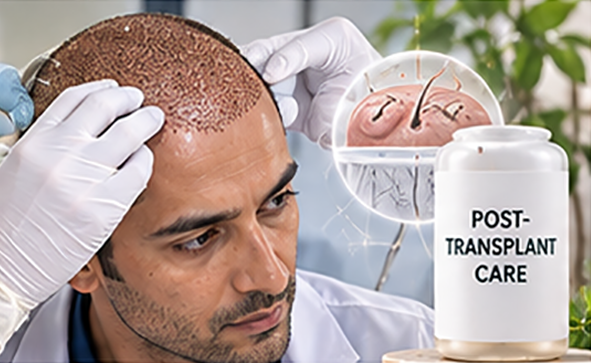
Shop Menopause SupportFor post-procedure scalp care, gentle shampoo, serum and aftercare guidance following hair transplant surgery.
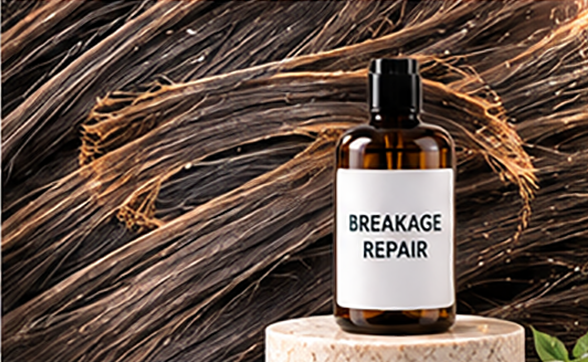
For breakage, split ends, roughness and styling damage. Different from root-level hair loss — condition-focused treatment.
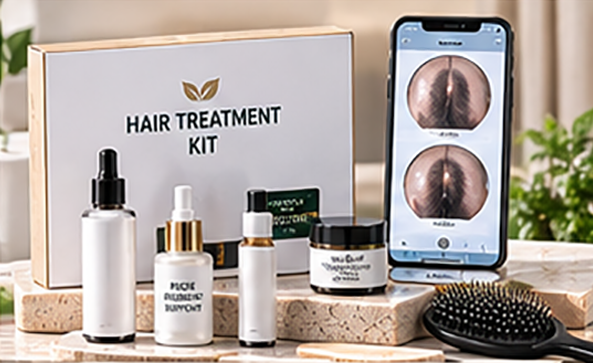
Shop Breakage SupportStructured routines combining cleanser, serum, supplement support, scalp care and progress tracking for consistency.
Shop Treatment KitsActive Ingredients
Understanding the active in a product is key to safe and effective treatment selection.
Featured Products
We're curating the right supportive products for this concern. In the meantime, browse the full Hairsncares shop or take the AI Hair Test for a tailored match.
Browse all productsTreatment Plans
Value bundles for this concern aren't ready just yet. Browse the full Hairsncares shop to build the routine that fits your needs.
Browse all productsTreatment Science
Selection Framework
Hair fall, thinning, dandruff, scalp itch, oiliness, dryness, breakage or post-transplant care — define your primary concern first.
Diffuse shedding, crown thinning, hairline recession, widening part, patchy loss or scalp symptoms — pattern guides product type.
Sudden severe fall, patchy loss, pain, pus, scaling, pregnancy, breastfeeding, child scalp issue or medication-related fall — doctor first.
Wash-off shampoo, leave-on serum, scalp lotion, topical medicine, supplement support, kit or doctor-guided treatment.
Understand what the active ingredient can and cannot do. Cosmetic serum vs OTC vs prescription — they are different.
Prescription status, pregnancy or breastfeeding, age, allergies, scalp sensitivity and current drug interactions.
Use consistently, take progress photos monthly, review shedding and irritation and plan refills or doctor review at 3–6 months.
HowTo Guide
Use AI Hair Test or dermatologist consultation if hair fall is active, unexplained or sudden before choosing any treatment product.
Hair fall control, growth support, dandruff, scalp itch, oiliness, dryness or breakage — focus on one primary treatment goal first.
Shampoo, serum, lotion, foam, supplement, kit or prescription-guided product based on your concern and scalp type.
Start gradually to identify irritation, scalp sensitivity or shedding triggers before adding multiple products together.
Follow product instructions and doctor guidance consistently. Hair cycles are slow — results take time.
Take progress photos every 30 days and monitor shedding count, scalp itch, flakes and irritation response.
Consult dermatologist if no improvement after 3–6 months, if worsening occurs or if red flags such as patchy loss or scalp infection appear.
Compare Options
| Comparison | Option A | Option B | Best Use |
|---|---|---|---|
| Hair Fall Shampoo vs Growth Serum | Wash-off scalp hygiene support | Leave-on actives with longer scalp contact | Both together for routine completeness |
| Cosmetic Serum vs Minoxidil | Supportive cosmetic ingredients (Redensyl, Procapil, peptides) | Medicinal hair growth treatment for selected cases | Serum for cosmetic routine; Minoxidil needs doctor guidance |
| Dandruff Shampoo vs Anti-Dandruff Lotion | Wash-off antifungal/flake control | Leave-on scalp support depending on formula | Lotion may help between washes; shampoo is primary |
| Supplement vs Topical Treatment | Useful when nutritional gap is relevant | Acts locally on scalp/follicle depending on active | Together when both nutrition and scalp care apply |
| OTC vs Prescription Hair Treatment | Available without prescription; still needs correct use | Requires valid doctor review and safety screening | Escalate to prescription with dermatologist guidance |
| Hair Treatment vs Hair Transplant | Supports existing follicles and scalp health | Surgical redistribution of donor hair for suitable candidates | Treatment first; transplant when other options insufficient |
Comparison is educational and does not replace dermatologist advice for your specific condition. Results vary by individual.
Myth-Busting
Safety First
These signs indicate you need a dermatologist before choosing or continuing any hair treatment product.
AI Treatment Intelligence
AI tools are educational and do not replace dermatologist diagnosis or clinical treatment advice.
Prescription Pathway
Prescription medicines are not dispensed without valid prescription or doctor review where required by law.
Authority Sources
References are for general educational context. Product claims on Hairsncares are based on ingredient evidence levels and are not intended as medical endorsements.
FAQ
Medically Reviewed
Reviewed by Dr. Amit Agarkar, MD Dermatology
This page is educational and designed to help users understand product choices safely. It does not replace consultation, diagnosis or prescription by a qualified dermatologist. Results vary by individual.
Last reviewed: 25 June 2026
Start Your Treatment Journey
Wrong treatment selection can delay results, irritate the scalp or miss the real cause of hair fall. Let Hairsncares guide you with AI testing, dermatologist-reviewed product logic and safe treatment pathways.
Hair treatment guidance is educational only. Prescription medicines require valid doctor review. Results vary. Consult a dermatologist for medical hair loss.
Your cart is empty