💧Bestseller
Moisturizing Conditioner
For dry, rough and thirsty hair that needs softness, slip and hydration support. Works on hair fiber, not scalp disease.
GlycerinHyaluronic acidAloe veraCoconut oilShea butter
Dermatologist-Guided Conditioner Science
Choose conditioner by hair-fiber needs — moisture, protein, frizz control, colour protection, curl definition, smoothness and breakage support. Not trend.
Conditioners help reduce friction, improve manageability and smooth the cuticle. For active hair fall or scalp disease, pair product use with diagnosis-first guidance.
Educational product-selection guidance only. Conditioners improve hair feel and manageability but do not diagnose or treat medical hair loss. Results vary.
Featured Snippet
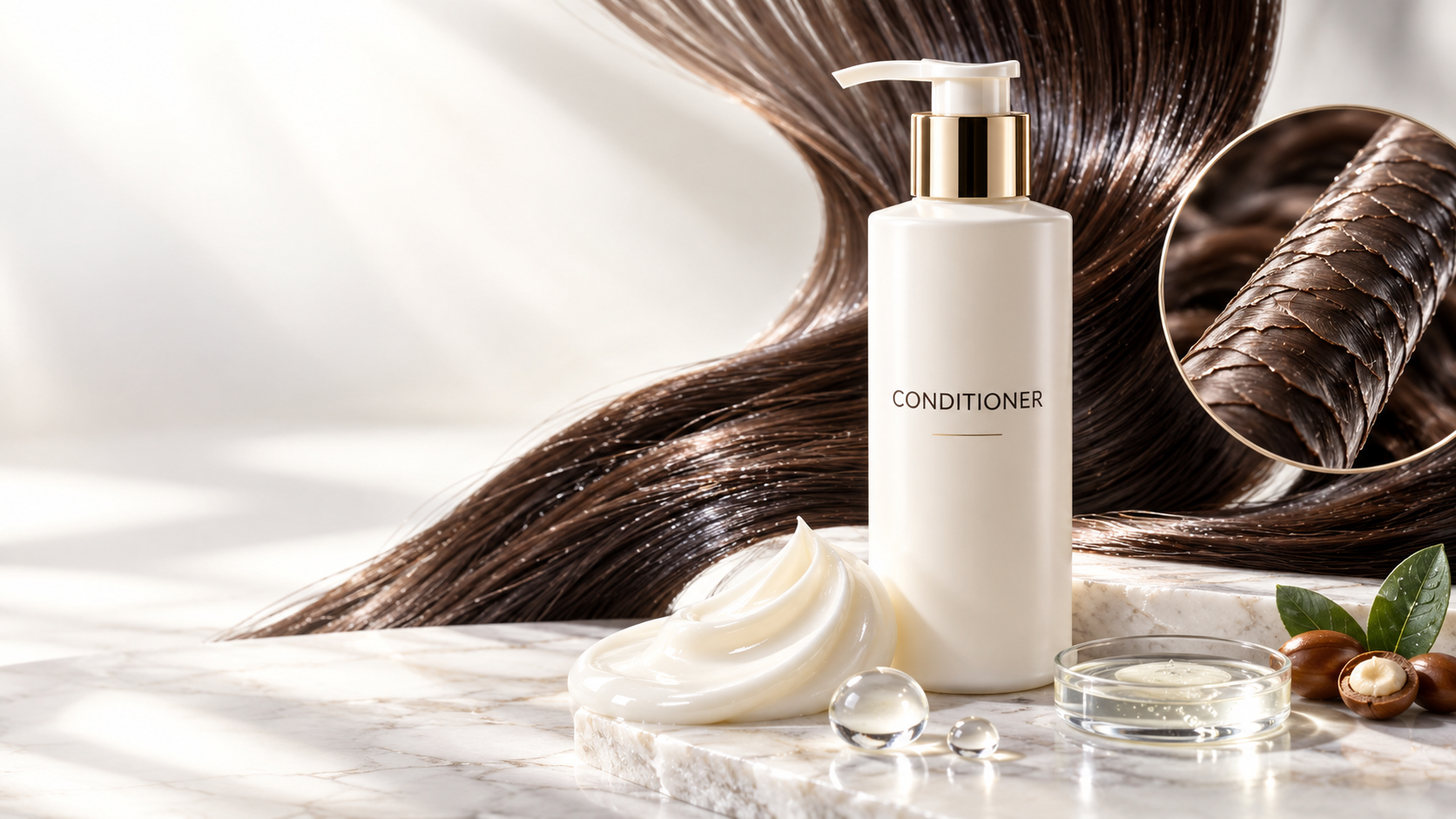
The best hair conditioner depends on your hair type and hair-fiber concern. Dry and frizzy hair usually needs moisturizing conditioners with humectants, oils, butters or smoothing agents. Damaged or chemically treated hair may need protein, amino acids, ceramides or bond-support formulas. Curly hair needs slip and hydration. Avoid applying heavy conditioner on the scalp if it is oily, acne-prone or dandruff-prone. Results vary.
Not medical advice. Results vary. Conditioner does not treat medical hair loss.
Intelligent Filter
Filter by concern, conditioner type, ingredient, hair type, scalp type and safety preference.
Browse All Categories
20 curated subcategories organised by hair-fiber concern, ingredient logic and routine format.
For dry, rough and thirsty hair that needs softness, slip and hydration support. Works on hair fiber, not scalp disease.
For frizz, flyaways and humidity-prone hair. Helps smooth hair fiber and improve manageability.
For damaged, rough, weak or chemically stressed hair. Provides repair-support for hair fiber — not permanent reversal of damage.
⚠️ Hair-fiber support, not permanent repair.
For smoother-looking, easier-to-style hair with a polished finish. Cosmetic keratin adds temporary smoothness.
For weak, limp or over-processed strands needing temporary structure support.
⚠️ Excess protein may make some hair feel stiff.
For post-wash detangling, frizz control, daily softness and styling support. Does not need rinsing out.
For weekly intensive hydration, softness and damage-support rituals. Use once a week on hair lengths.
For curl slip, detangling, hydration, definition and reduced frizz in wavy, curly and coily hair.
For dyed, highlighted, bleached or chemically treated hair. Colour-protective formulas that reduce fade.
For users seeking lighter formulas, low-buildup routines or curly-method preferences.
For gentle routines, colour-treated hair and sensitive users who prefer minimal surfactants.
For dryness, rough texture, tangling and lack of softness. Rich moisturizing formulas for thirsty hair.
For heat, bleach, colour, straightening or chemical damage support. Helps reduce friction and breakage.
⚠️ Hair-fiber support. Trimming is needed for split ends.
Lightweight formulas that condition without flattening or weighing down fine or thin hair.
Rich, deeply moisturizing formulas for dense, coarse or very dry hair that needs more conditioning.
For men with dryness, styling buildup, gym sweat, rough hair or grooming routines.
For long hair, styling damage, frizz, colour care, dryness and breakage support routines.
Gentle detangling support for children. Avoid harsh fragrances and eye-irritating formulas.
⚠️ Avoid harsh fragrance for children. Paediatric guidance advised.
For users confusing breakage with hair fall. Conditioner may reduce breakage by reducing friction but cannot treat root-level shedding.
⚠️ For shedding or thinning, consult a dermatologist.
Use only after surgeon or doctor allows. Avoid active products on healing scalp after hair transplant.
⚠️ NO conditioner post-transplant without surgeon clearance.
Active Ingredient Library
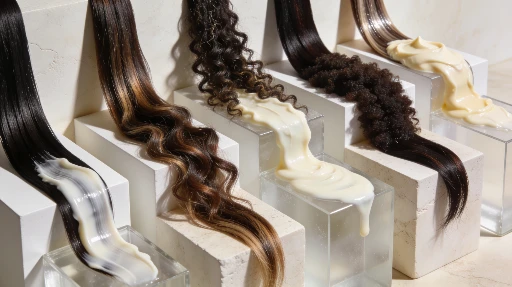
Each ingredient has a different role, evidence level and hair-type compatibility. Choose by science, not just label claims.
Smoothness, manageability and cosmetic damage support. Adds a temporary smooth layer to hair fiber.
⚠️ Cosmetic smoothing — not permanent repair
Cuticle-support and barrier-like care for damaged and colour-treated hair fiber.
Hair-fiber support and softness. Helps rebuild the feel of roughened or chemically stressed hair.
Temporary structure and strength support for weak, limp or over-processed hair.
⚠️ Excess protein may make some hair feel stiff.
Humectant that draws moisture into the hair shaft. Helps dry, dull hair feel softer and plumper.
Draws moisture into hair from the air. Works best in moderate humidity conditions.
⚠️ Humidity response varies — may feel sticky in very high humidity.
Penetrates hair fiber to improve softness, flexibility and shine. Good for daily conditioning.
Lightweight oil for frizz control, shine and smoothness on hair lengths.
Pre-wash and conditioning nourishment. Penetrates hair shaft to reduce protein loss during washing.
⚠️ May feel heavy on fine or oily-scalp-prone hair.
Rich emollient for coarse, curly or very dry hair. Adds softness and reduces tangling.
Light hydration and soothing feel. Good for gentle routines and curl conditioning.
Supports scalp-skin barrier in selected formulas. Most conditioner is hair-fiber focused.
⚠️ Conditioner is mostly hair-length focused — scalp benefit varies.
Excellent slip, shine, frizz control and heat-styling smoothness.
⚠️ May cause buildup with regular use in some users.
Cosmetic shine and pH-balancing claims. Avoid overclaiming — irritation possible on sensitive scalp.
⚠️ Avoid on sensitive or irritated scalp.
Shop by Concern
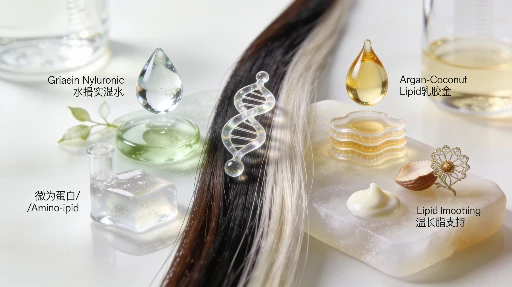
Dermatologist-reviewed conditioners matched to your primary hair concern. Add to cart, compare or build a routine.
We're curating the right supportive products for this concern. In the meantime, browse the full Hairsncares shop or take the AI Hair Test for a tailored match.
Browse all productsRoutine Combos
Curated combinations matched to your hair-fiber concern, hair type and routine goal.
Value bundles for this concern aren't ready just yet. Browse the full Hairsncares shop to build the routine that fits your needs.
Browse all products📍 Check Delivery to Your Pincode
Oil Science
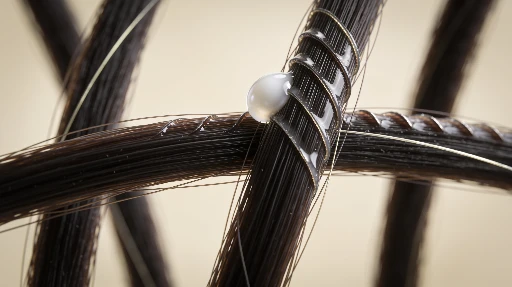
Understanding the real role of conditioner prevents unrealistic expectations and wrong product choices.
If your concern is hair loss, sudden shedding, patchy hair loss or scalp disease, start with a dermatologist assessment rather than changing conditioners alone.
🔍 Find Conditioner for My Hair TypeSelection Framework
A structured approach to choosing conditioner that actually suits your hair fiber, scalp type and routine goal — not just the first bottle that looks good.
Dryness, frizz, breakage, tangling, damage, dullness, curl dryness or colour damage. Name it precisely first.
Dandruff, oiliness and itching need scalp care. Conditioner belongs on mid-lengths and ends — not an oily scalp.
Lightweight for fine hair. Rich and buttery for thick, coarse, dry or curly hair. Wrong weight = flat or greasy result.
Moisture for dryness. Protein for weakness. Ceramides for damage. Silicones for slip. Butters for coarse or curly.
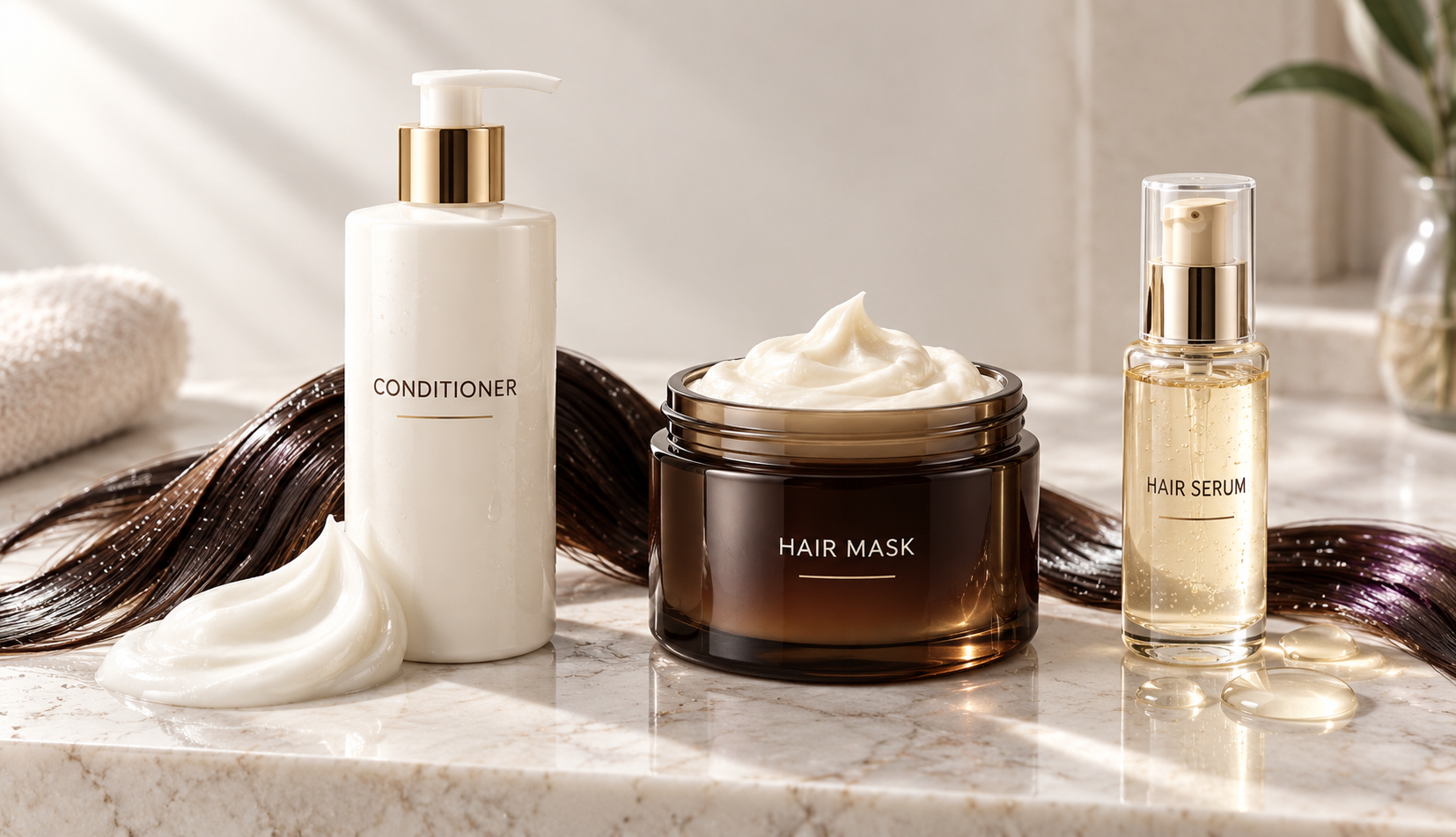
Rinse-out for wash day. Leave-in for daily frizz. Deep conditioner weekly. Curl conditioner for definition and slip.
Mid-lengths to ends only. Avoid scalp if oily or dandruff-prone. Rinse thoroughly. Stop if irritation occurs.
Monitor softness, frizz, buildup, scalp heaviness and breakage. Switch formula if stiffness, heaviness or irritation develops.
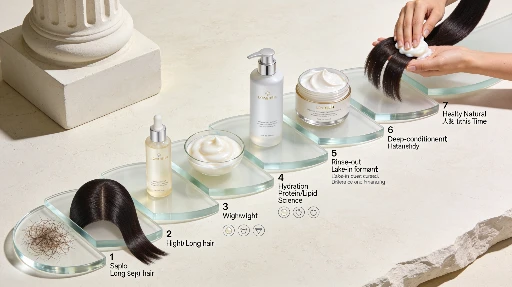
Ready to build a routine around your hair type and concerns?
📋 Build My Conditioner Routine🔍 Find My ConditionerHow-To Guide
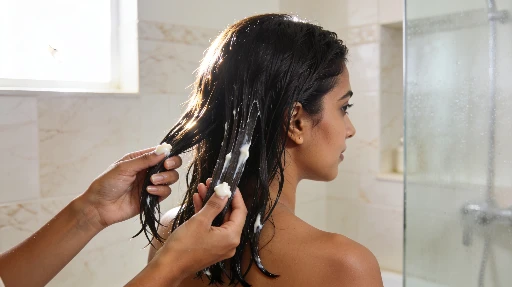
9 dermatologist-guided steps for correct conditioner use.
Cleanse your scalp according to your scalp type before applying conditioner.
Conditioner works better on damp, not dripping-wet hair. Pat hair gently before applying.
Avoid the scalp unless the formula specifically allows scalp use. Heavy buildup on scalp causes greasiness.
Fine hair needs less. Thick, curly or very dry hair may need more. Over-use on fine hair causes flatness.
Use fingers or a wide-tooth comb while conditioner is in hair to minimize breakage.
1–5 minutes for rinse-out. Longer for deep conditioner per instructions. Do not exceed recommended time without reason.
Rinse thoroughly to avoid buildup. Product left on scalp can cause greasiness, itching or scalp pimples.
Leave-in is useful for frizz, curls and styling but can weigh down fine hair. Use a small amount on damp ends.
Stop if itching, scalp pimples, redness, heaviness or worsening flakes appear after use.
Side-by-Side
Myths vs Facts
Medical misinformation about conditioners leads to wrong choices, wasted money and sometimes worsened concerns.
Conditioner does not typically cause root-level hair fall. Hair seen during conditioning is usually already-shed telogen hair. However, heavy formulas or scalp application can cause buildup or irritation in some users. Genuine hair loss requires dermatologist evaluation.
Conditioner can temporarily smooth and bind split ends and reduce friction, but split ends are structurally permanent. Trimming and prevention through reduced heat and mechanical damage are the only real solutions.
Oily scalp users can use conditioner on mid-lengths and ends while avoiding scalp application entirely. Lightweight, silicone-free formulas applied only to hair lengths are well tolerated by most oily scalp types.
Protein helps selected hair types — particularly damaged, weak or over-processed hair. Excess protein on hair that does not need it can make strands feel stiff, rough or brittle. Balance moisture and protein based on your hair's actual state.
Curly hair often needs conditioner for slip, hydration and detangling more than other hair types. Conditioner provides the water-based hydration that oils cannot. Curly hair routines usually include both conditioner and oils at different routine steps.
Conditioner improves hair feel and may reduce breakage-related shedding but does not address androgenetic alopecia, hormonal hair loss or any medical cause of hair loss. Genetic hair loss needs diagnosis-first care with a dermatologist.
A change of conditioner will not help with these symptoms. Each one is a signal that you need professional dermatologist evaluation, not a better product.
If any of the flags on the left apply to you, the right next step is a dermatologist assessment — not more product browsing. Dr. Amit Agarkar offers online consultations for hair fall, scalp disease and post-procedure care across India.
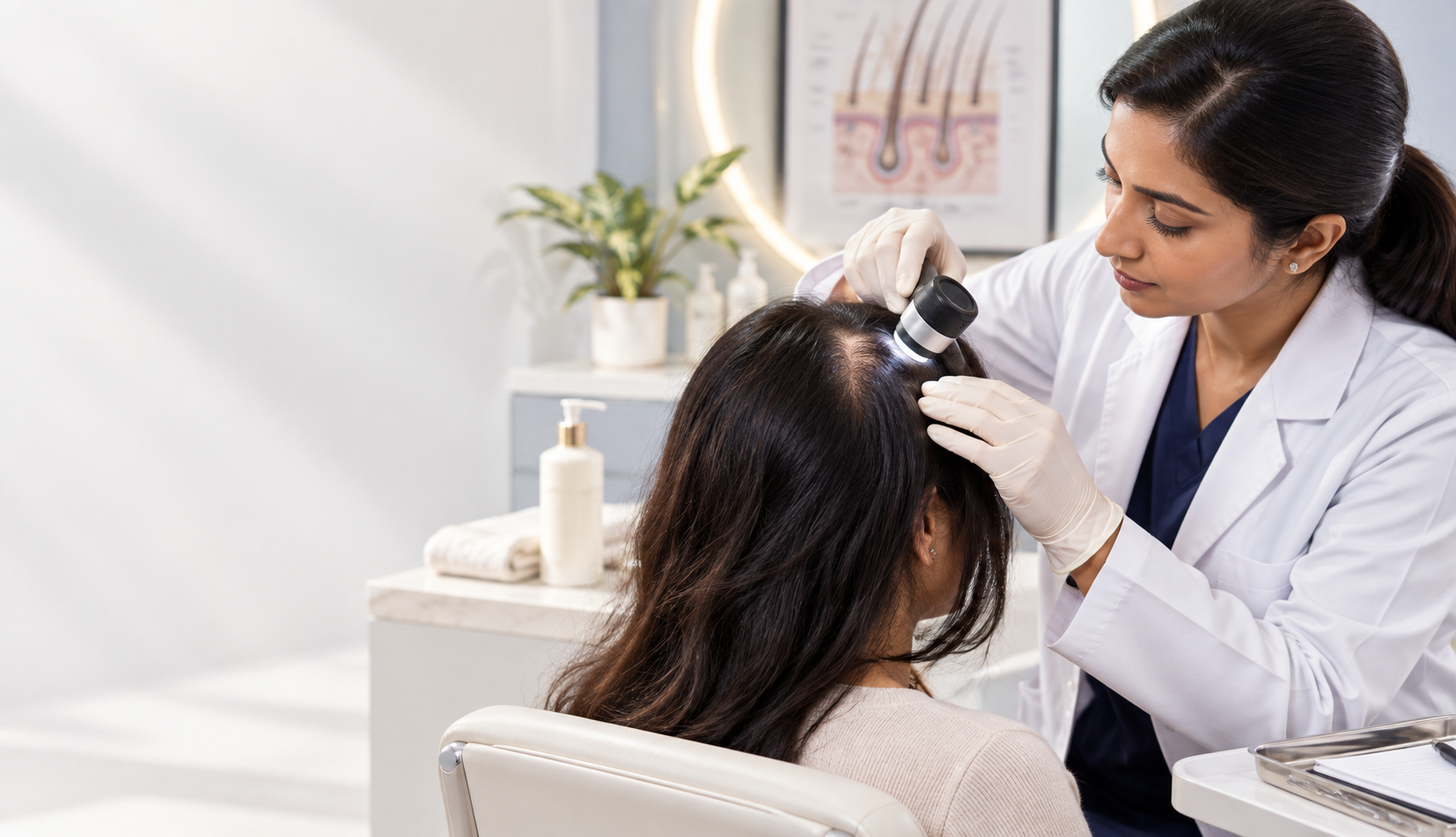
Conditioner improves hair-fiber feel, detangling, softness and frizz control. It does not treat medical hair loss, scalp infection, alopecia areata, androgenetic alopecia, or any shedding caused by hormonal, nutritional or systemic causes. Results vary.
Powered by Intelligence
AI tools are educational and do not replace dermatologist diagnosis.
Choose conditioner by hair type, ingredient and concern. Personalised product shortlist in minutes.
Find My Conditioner →For hair fall, thinning, shedding or breakage confusion — know which concern is medical vs cosmetic.
Start AI Hair Test →Build shampoo, conditioner, mask, serum and oil scheduling around your hair type and lifestyle.
Build My Routine →Understand keratin, protein, ceramides, silicones, humectants and preservatives in conditioner labels.
Decode Ingredients →For dandruff, oily scalp, itching or post-conditioner scalp irritation — identify your scalp profile.
Analyse My Scalp →Track frizz, breakage, softness and shedding over 4–8 weeks to see if your routine is working.
Track Results →Expert Answers
Honest, evidence-guided answers — no overclaiming.
Moisturizing conditioners with glycerin, hyaluronic acid, shea butter, aloe vera or coconut oil are commonly used for dry hair. Apply from mid-lengths to ends after shampooing. Avoid scalp application if prone to oiliness or dandruff. Deep conditioning once a week can help very dry hair. Results vary by formulation and hair type.
Anti-frizz conditioners with argan oil, ceramides, silicones or smoothing polymers work well for frizz-prone hair. Leave-in conditioners also help control frizz between washes. Choose formulas labelled humidity-resistant or smoothing. Avoid heavy butters on fine frizzy hair — they may weigh it down.
Conditioner does not treat root-level hair fall from androgenetic alopecia, hormonal imbalance or nutritional deficiency. It may reduce breakage from friction and combing, which is often confused with hair fall. For genuine shedding or thinning, dermatologist evaluation is recommended. Results vary significantly.
Hair fall means hair is lost from the root (the white bulb is visible at the end). Breakage means hair snaps along the shaft with no bulb. Conditioner may reduce breakage by improving hair-shaft flexibility and reducing combing friction. It does not address root-level shedding. If unsure, consult a trichologist or dermatologist.
Most conditioners should be applied to mid-lengths and ends only, not the scalp. Applying conditioner to an oily, dandruff-prone or acne-prone scalp can worsen buildup, greasiness or pimples. Some leave-in and scalp-specific formulas are exceptions — always check the product instructions.
Rinse-out conditioner should generally be used every time you shampoo. Leave-in can be used after every wash or as needed. Deep conditioner is usually used once a week. Frequency depends on hair type — very dry or curly hair may benefit from more frequent use. Fine or oily-scalp hair may need lighter or less frequent conditioning.
Lightweight leave-in conditioners can be used daily on damp hair ends for frizz control and softness. Avoid heavy leave-in formulas daily on fine or oily hair as they can cause buildup. Apply a small amount to ends only. Build-up over time can make hair feel heavy or dull.
Deep conditioners are richer formulas designed for weekly intensive care — not daily use. Regular rinse-out conditioners are designed for wash-day use. Neither is universally better — they serve different purposes in a routine. Very dry, damaged or curly hair benefits from both used at the right frequency.
Protein conditioners contain hydrolyzed proteins (rice, wheat, silk, keratin, amino acids) that temporarily bond to damaged hair fiber to improve strength and reduce elasticity loss. They work best for weak, limp, over-processed or bleached hair. Excess protein on hair that does not need it can cause stiffness or brittleness.
Curly hair benefits from rich, slip-heavy conditioners with shea butter, aloe vera, glycerin, castor oil or lightweight proteins. Silicone-free options are preferred for Curly Girl Method. Apply generously from roots to ends, detangle with fingers and rinse or leave in depending on the formula. Results vary by curl type.
Colour-safe, sulphate-free conditioners with ceramides, UV filters, antioxidants and panthenol help maintain colour vibrancy and reduce fade. Avoid harsh surfactants or formulas with clarifying ingredients that strip colour. Use within a colour-safe shampoo and conditioner routine for best results.
Conditioner can temporarily smooth and bind split ends, making them less visible and reducing further splitting from friction. However, split ends are structurally permanent and cannot be fully repaired. Trimming is the only permanent solution. Conditioner and reduced heat use help prevent new split ends from forming.
Yes — oily scalp users can use conditioner on mid-lengths and ends while avoiding scalp application. Lightweight, silicone-free formulas are better tolerated. Avoid heavy butters or rich formulas near the scalp. If you have short hair, apply conditioner sparingly to the lower half only.
Silicone-free conditioners contain no dimethicone, cyclomethicone or other silicone-based ingredients. They are preferred for Curly Girl Method routines, high-porosity hair and users who experience buildup from silicones. They may feel less immediately smooth but are lighter and less likely to cause long-term buildup.
Silicones are not inherently harmful for all hair types. They provide excellent slip, shine and frizz control. However, some silicones can build up on hair over time, particularly water-insoluble types, potentially making hair feel heavy or dull. Clarifying shampoos periodically can remove buildup. Curly and high-porosity hair may respond better to silicone-free formulas.
Keratin conditioners contain hydrolyzed keratin protein that temporarily adheres to the hair shaft to improve smoothness, manageability and shine. This is a cosmetic effect — it does not permanently alter hair structure. The effect typically lasts until the next wash. They work best for rough, frizzy or damaged hair seeking a polished finish.
Conditioner can temporarily improve the feel of heat-damaged hair by smoothing the cuticle and reducing friction. Repair conditioners with ceramides, amino acids and proteins are best for this. However, conditioner cannot reverse internal structural damage from heat. Reducing heat use, trimming damaged ends and maintaining a consistent conditioning routine helps over time.
Do not apply any conditioner, shampoo or hair product to the transplanted scalp area without explicit surgeon or doctor clearance. The healing scalp requires specific post-operative care protocols. Using products too early can disrupt graft healing. Ask your transplant surgeon specifically which products are safe and when.
Men with short hair typically need lightweight conditioners applied sparingly to the lower half of hair. Men with longer hair, gym-related dryness or styling damage benefit from regular moisturizing or repair conditioners. Male pattern baldness is not treated by conditioner — dermatologist evaluation for hair loss is recommended.
Women with long hair, styling damage or colour treatment benefit from moisturizing, repair or colour-safe conditioners. For postpartum hair concerns, consult a dermatologist — conditioner helps manageability but does not treat telogen effluvium. Women with fine hair should choose lightweight formulas that condition without flattening.
The Hairsncares AI Product Finder asks 5 questions about your hair type, main concern, preferred conditioner format, scalp type and ingredient preference. It then matches your profile to the most suitable conditioners from our range. Results are educational guidance — for medical hair concerns, please also consult a dermatologist.
Evidence Base
Your Next Step
The wrong conditioner can make hair flat, greasy, stiff or heavy. Let Hairsncares help you choose by hair type, damage level, ingredient, scalp comfort and routine goal.
All guidance is educational. For active hair fall or scalp disease, please consult a qualified dermatologist.
Medically Reviewed
Reviewed by Dr. Amit Agarkar, MD Dermatology
This page is educational and designed to help users understand product choices safely. It does not replace consultation, diagnosis or prescription by a qualified dermatologist. Results vary by individual.
Last reviewed: 25 June 2026
Your cart is empty