πŸ‘¨β€βš•οΈ Ask Dr. Amit
ShopAI FinderDoctor

Hydrolyzed Protein Structure Support Atelier Β· Hairsncares

Hydrolyzed ProteinStructure SupportConditioner for Weak, Limp, Damaged & Over-Processed Hair

A dermatologist-guided conditioner guide for weak-feeling, limp, frizzy, bleached, heat-damaged and chemically stressed hair β€” with hydrolyzed protein (hydrolysed protein) structure-support logic, strength-feel care, protein-overload safety and AI routine matching.

⚠️Hydrolyzed protein conditioner supports temporary structure, strength feel, body and repair-care feel. It does not regrow hair, stop root-level hair fall or permanently repair split ends. Too much protein-rich care may make some hair feel stiff, dry or brittle.
Dermatologist GuidedStructure Support ConditionerProtein ConditionerWeak / Limp Hair SupportOver-Processed Hair RoutineProtein Overload CautionAI Product Finder Available

Educational product-selection guide. Hydrolyzed protein conditioner is a cosmetic hair-shaft product. Results vary. Consult a dermatologist for hair fall or scalp concerns.

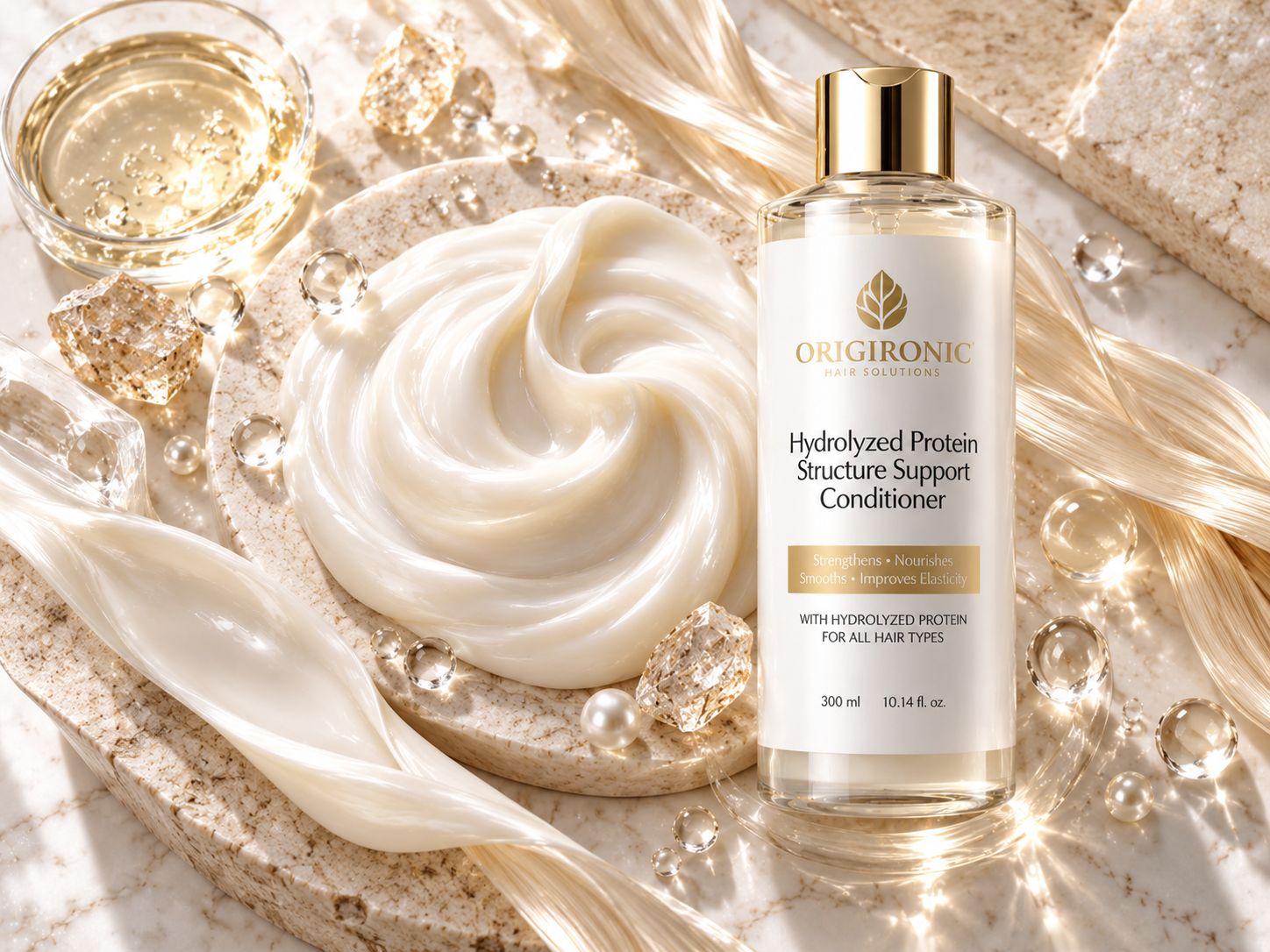
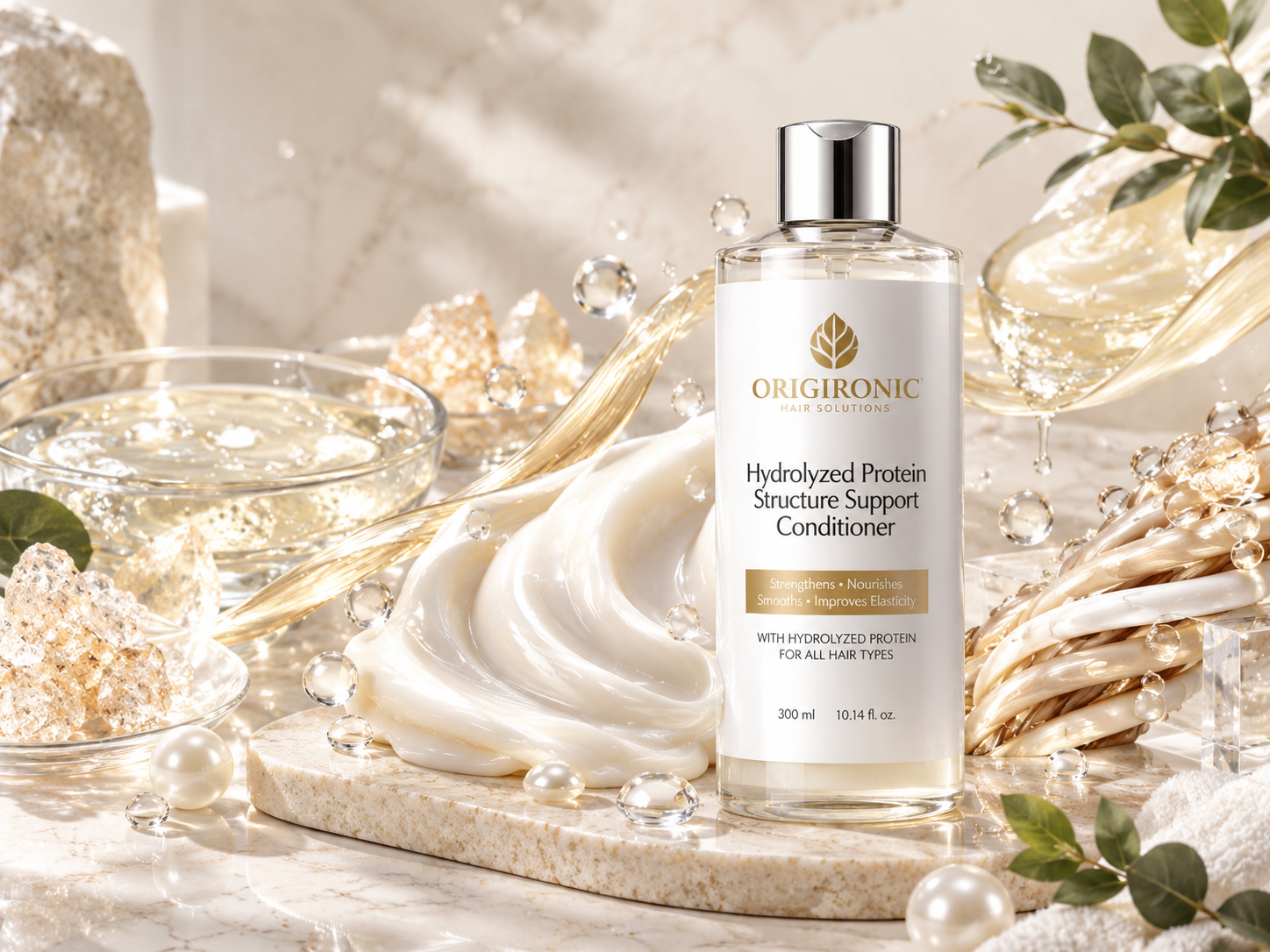
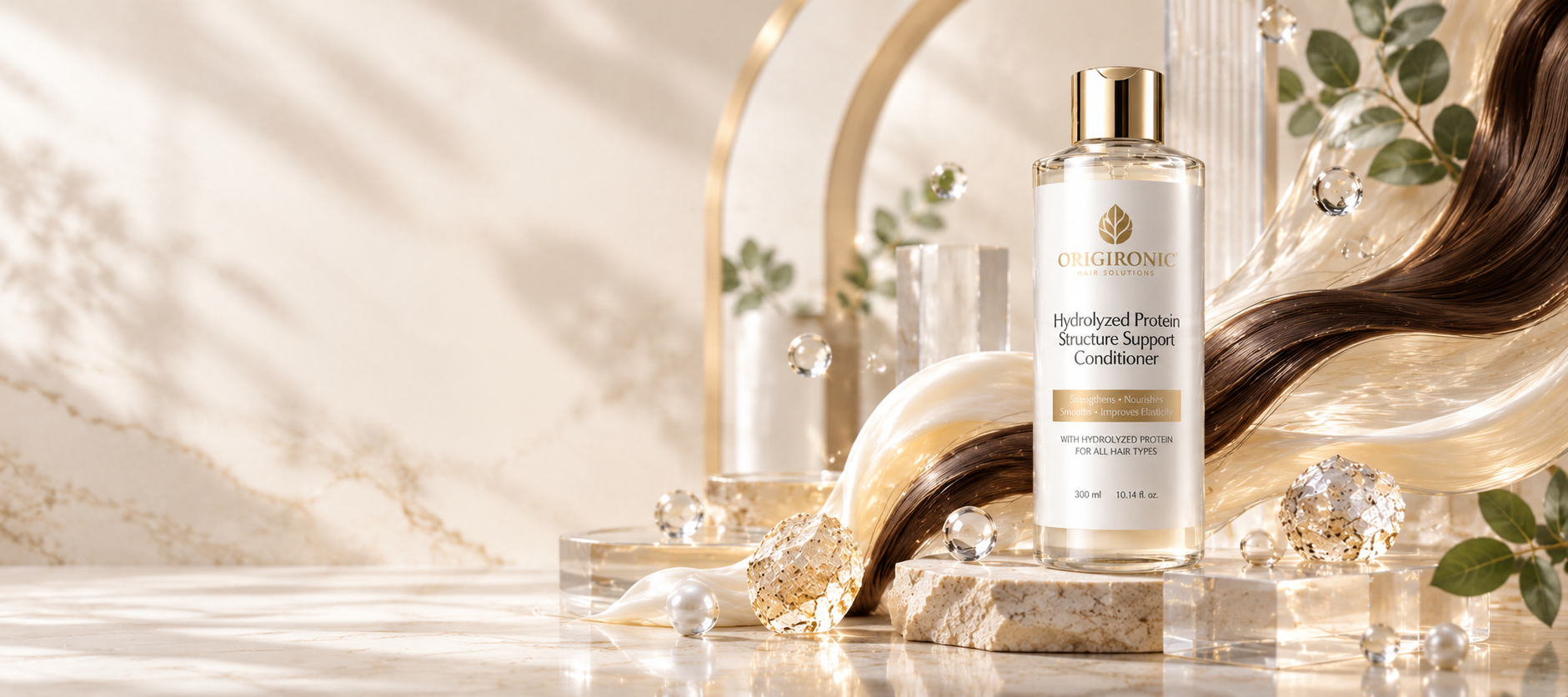
Hydrolyzed protein structure support conditioner luxury packaging β€” pearl cream bottle, peptide gold label, deep emerald background
AI Product Finder β†’
Dr. Amit Agarkar
MD Dermatology Β· Trichologist

Best For

People with severely damaged, bleached, or high-porosity hair needing structural reinforcement. Best used 1–2 times per week alternated with a moisture-focused conditioner.

Not a Substitute For

Professional bond-repair services, medical hair loss treatment, or deep reconstructor treatments. Hydrolyzed protein provides temporary internal support, not permanent repair.

See a Dermatologist If

Hair continues to snap despite protein-moisture balance, damage worsens with each wash, or you notice thinning alongside breakage. Severe damage may need medical evaluation for underlying causes.


What You’ll Learn on This Page

What hydrolyzed protein conditioner can and cannot do

How hydrolyzed proteins penetrate and reinforce the cortex

Different protein sizes β€” wheat, silk, keratin, and collagen compared

Best hair types β€” severely damaged, bleached, or high-porosity

How to balance protein and moisture to avoid protein overload

Signs of too much protein β€” stiff, snapping, straw-like hair

Why protein conditioner cannot permanently fix broken disulfide bonds

When extreme damage needs a trichologist, not another protein mask


Quick Answer

What does hydrolyzed protein conditioner do?

Hydrolyzed protein conditioner (also written hydrolysed protein conditioner) helps weak-feeling, limp, rough, frizzy or over-processed hair feel more structured, smoother and easier to manage. It may support temporary body, strength feel, detangling and reduced friction-related breakage. It does not treat root-level hair fall, regrow hair, cure scalp disease or permanently repair split ends.

Best for:weak hair, limp hair, over-processed hair, heat damage, bleached hair, breakage-prone lengths
Not for:root-level hair fall, bald patches, scalp infection, severe dandruff
Apply:mid-lengths to ends only
Scalp caution:avoid if oily, acne-prone or dandruff-prone
Protein caution:reduce if hair feels stiff, straw-like, dry or brittle
Next step:AI Product Finder to match conditioner type to hair
Featured Answer

Hydrolyzed protein conditioner contains broken-down protein fragments small enough to penetrate the hair cortex, temporarily reinforcing structure and reducing breakage. Different protein sizes suit different damage levels. It does not permanently repair hair, treat hair loss, or reverse chemical damage. Overuse causes protein overload (stiff, brittle hair). Must be balanced with moisturising conditioners in a rotation.

Dermatologist-Guided

Dr. Amit Agarkar β€” Hydrolyzed Protein Conditioner Guide

Hydrolyzed protein conditioners are cosmetic hair-shaft support products. Useful in routines for weak-feeling, limp, frizzy, heat-styled, bleached, colour-treated, chemically stressed and breakage-prone hair. They can improve temporary strength feel, body, smoothness, detangling and repair-care feel depending on formulation and hair type. Benefits are cosmetic and routine-dependent. Hydrolyzed protein conditioner does not treat androgenetic alopecia, alopecia areata, telogen effluvium, PCOS-related or thyroid-related hair fall.

⚠️ Consult a dermatologist if hair fall is sudden, patchy, progressive, associated with scalp pain, pus, crusting, severe dandruff, postpartum changes, PCOS or thyroid symptoms or fatigue.

Ask a Hair Doctor
What It Can Do

Hydrolyzed Protein Conditioner β€” Can & Cannot Matrix

Can Help Support
  • Temporary structure feel
  • Strength feel for weak or limp hair
  • Body and volume-feel support
  • Detangling ease
  • Rough hair feel improvement
  • Over-processed hair care routine
  • Heat-damaged hair routine
  • Bleached hair repair-care feel
  • Less friction-related breakage
  • Frizz appearance support
  • Protein-moisture balance routine
  • Conditioner-based structure support
Cannot Do
  • Regrow hair
  • Stop root-level shedding
  • Cure baldness
  • Reverse genetic hair loss
  • Treat alopecia areata
  • Cure PCOS / thyroid / postpartum hair fall
  • Treat scalp infection or dandruff
  • Permanently repair split ends
  • Biologically rebuild the hair cortex
  • Fully reverse bleaching or heat damage
  • Replace dermatologist diagnosis
  • Remove protein overload already present
Understand Breakage vs Hair Fall
Structure Science

How hydrolyzed proteins support weak or over-processed hair

01

Hydrolyzed Protein Concept

Hydrolyzed proteins (also: hydrolysed proteins) are protein fragments broken down from keratin, wheat, silk, rice, soy or collagen sources. They provide cosmetic structure-feel and conditioning support at the hair shaft surface β€” not biological repair of living tissue.

02

Weak / Limp Hair Support

Some protein-containing conditioners may help limp or weak-feeling hair feel more supported and less floppy, depending on formula weight and protein concentration. Lightweight hydrolyzed rice or silk protein tends to suit fine hair better than heavy keratin blends.

03

Over-Processed Hair Repair-Care

Bleached, coloured, heat-styled or chemically treated hair may feel rough, porous and fragile. Hydrolyzed protein conditioner can improve feel and manageability cosmetically β€” benefits are temporary, not structural, and require consistent routine use.

04

Breakage vs Hair Fall

Conditioner reduces friction-related breakage at the hair shaft β€” ends snapping from tangling, dryness or weak structure feel. It cannot treat shedding from the root caused by genetic, hormonal or nutritional factors.

05

Protein-Moisture Balance

Hair needs both protein-type structure support and moisture conditioning. Too much hydrolyzed protein or protein-rich conditioning without adequate moisturising ingredients can cause stiffness, brittleness or straw-like texture β€” protein overload.

Check My Protein-Moisture Balance
Hydrolyzed Protein structure support conditioner science section editorial image for Hairsncares
Hydrolyzed Protein conditioner β€” science visual guide.
Ingredient Intelligence

Hydrolyzed Protein Types in Hair Conditioner β€” Formula Guide

Protein size, concentration, formula base, pH, hair porosity and rinse-off time all determine what a protein conditioner actually does. Ingredient names alone do not guarantee results.

πŸ§ͺ
Hydrolyzed Keratin
Protein Fragment

Smoothing, structure-support and repair-care feel for rough, frizzy or damaged hair. Most widely used hydrolyzed protein in conditioners. Protein overload risk if overused.

Monitor for stiffness or brittleness.

🌾
Hydrolyzed Wheat Protein
Plant-Derived

Body, strength-feel and film-forming support. May help limp or fine hair feel more voluminous. Allergy and tolerance depend on formula and user sensitivity.

Wheat allergy / sensitivity: patch test before use.

πŸ•ŠοΈ
Hydrolyzed Silk Protein
Specialty Protein

Slip, softness, shine and smooth feel. Lightweight compared to keratin or wheat β€” may be better tolerated by fine or protein-sensitive hair in some formulas.

🌾
Hydrolyzed Rice Protein
Plant-Derived

Lightweight strength-feel and volume / body support for fine or limp hair. One of the gentler protein options for low-porosity or protein-sensitive hair types.

🫘
Hydrolyzed Soy Protein
Plant-Derived

Conditioning and structure-support feel in some formulas. Formula tolerance matters β€” allergy and sensitivity vary by individual.

Soy sensitivity: patch test before use.

🌿
Hydrolyzed Oat Protein
Plant-Derived

Softness and comfort-style hair-fibre support. Generally one of the gentler hydrolyzed proteins. May suit dry or sensitive hair in lightweight formulas.

🧬
Hydrolyzed Collagen
Animal-Derived

Film-forming, body and smoothness feel at the hair surface. Cosmetic support only β€” does not rebuild hair structure biologically.

Avoid claims of collagen rebuilding inside the hair shaft.

🌱
Hydrolyzed Vegetable Protein
Plant-Derived Blend

Plant-derived protein support used in repair-care conditioning formulas. Source varies by manufacturer β€” results depend on molecular weight and concentration.

πŸ”—
Peptides
Short Protein Fragments

Repair-care and conditioning support in premium formulas. Avoid medical hair-growth claims unless evidence-specific. Cosmetic surface feel support only.

Do not confuse cosmetic peptides with clinically proven hair-growth actives.

βš–οΈ
Protein + Moisture Blends
Balanced Formula

Best for balancing structure support with softness. Look for panthenol, ceramides, glycerin or hyaluronic acid alongside proteins for a protein-moisture balanced formula.

Ingredient names alone do not guarantee results. UseIngredient Decoderto analyse your current conditioner formula, protein size and moisture-balance actives.

Suitability Guide

Who is hydrolyzed protein conditioner best for?

🌿

Weak & Limp Hair

Lightweight hydrolyzed protein formulas may support temporary body and structure feel. Best when the formula is not too heavy for hair texture.

Best Match
πŸ§ͺ

Over-Processed & Bleached Hair

Over-processed hair that feels fragile, porous or rough from chemical treatments benefits from hydrolyzed protein support. Apply to mid-lengths and ends.

Best Match
πŸ”₯

Heat-Damaged Hair

Hair weakened by repeated heat styling may benefit from hydrolyzed protein conditioner for temporary structure feel and reduced roughness.

Best Match
πŸͺΆ

Fine Hair

Fine hair may benefit from lightweight hydrolyzed rice or silk protein formulas. Avoid heavy keratin or wheat protein formulas. Use on ends only.

Use with Care
πŸŒ€

Curly / Low-Porosity Hair

Prone to protein stiffness disrupting curl pattern. Lightweight protein formulas with warm water rinse may help. Balance with moisture.

Use with Care
πŸ›‘

Oily / Dandruff / Acne Scalp

Never apply protein conditioner to oily, dandruff-prone, acne-prone or inflamed scalp. Apply strictly to mid-lengths and ends only.

Avoid Scalp
Check My Conditioner Suitability
Hydrolyzed Protein structure support conditioner suitability section editorial image for Hairsncares
Hydrolyzed Protein conditioner β€” suitability visual guide.
Doctor’s Tip

You may be wondering whether Hydrolyzed Protein Conditioner is the right type for your hair. The honest answer: conditioner is a cosmetic hair-shaft product that supports structure support. It may improve how your hair feels β€” softer, smoother, more manageable β€” but it cannot treat root-level hair loss, dandruff, scalp disease or conditions needing medical treatment. If your concern goes beyond dryness and texture, a dermatologist evaluation is the right first step.

Application Guide

How to use hydrolyzed protein structure support conditioner correctly

9 dermatologist-guided steps for structure-support feel without protein stiffness or scalp buildup.

1

Shampoo According to Scalp Type

Cleanse scalp thoroughly first. Choose shampoo suited to your scalp type, not based on hair type alone.

2

Squeeze Out Excess Water

Gently squeeze water from lengths before conditioning. Conditioner on dripping wet hair is diluted and less effective.

3

Apply Mid-Lengths to Ends Only

Apply from mid-lengths to ends. Avoid the scalp unless the product label specifically states scalp-safe.

Scalp caution: avoid if oily, acne-prone, dandruff-prone or post-transplant.

4

Use the Right Quantity

Fine or low-porosity hair needs a small amount on ends only. Thick or damaged hair may need more. Avoid scalp contact regardless of hair type.

5

Detangle Gently

Use fingers or wide-tooth comb while conditioner is in the hair. Start from ends upward.

6

Leave for Label-Recommended Time

Typically 1–5 minutes for rinse-out conditioners. Follow product label β€” extended contact increases stiffness risk.

7

Rinse Thoroughly

Rinse all conditioner residue. Leftover product near the scalp causes buildup, greasiness and scalp pimples.

8

Watch for Protein Response

If hair becomes stiff, brittle, rough or straw-like, reduce protein conditioner and rotate with moisturising conditioner.

Protein overload signal: stiffness, brittleness, straw-like feel, worse breakage.

9

Pair with Moisture Support

Use panthenol, ceramide, glycerin or hyaluronic acid based conditioner on alternate washes if hair feels dry or brittle.

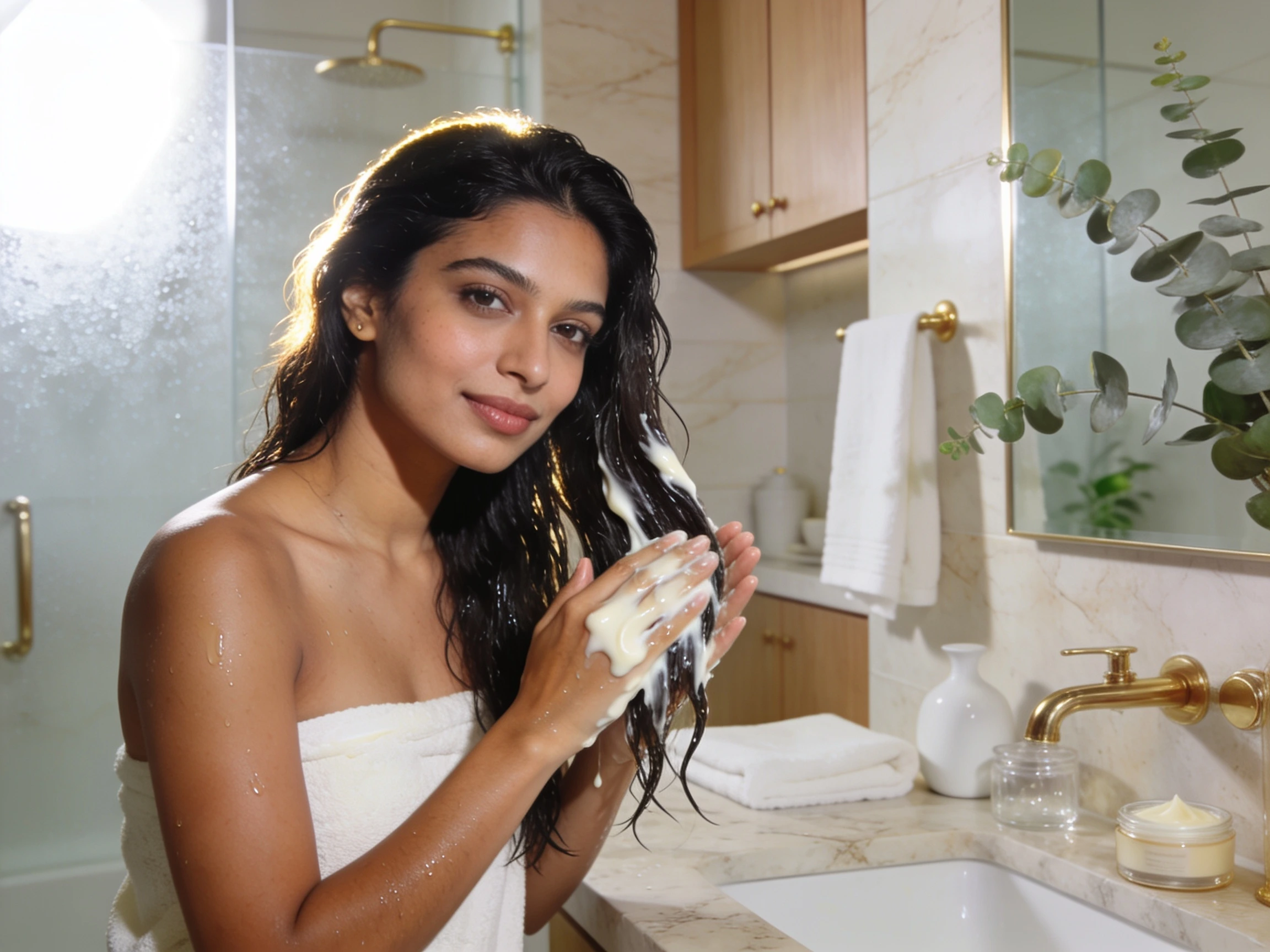
Hydrolyzed protein conditioner applied to mid-lengths and ends only, wide-tooth comb detangling, no scalp application

Protein-Moisture Balance Signals

  • β†’Needs more protein:hair feels limp, flat, won’t hold style or curl
  • β†’Protein overload:hair feels stiff, brittle, straw-like, snaps easily
  • β†’Balanced:hair feels soft, manageable and elastic
Check My Balance β†’

Buildup Quick Check

  • β†’Hair feels coated or heavy after conditioning
  • β†’Scalp becomes greasy faster than usual
  • β†’Pimples appear near scalp or hairline

β†’ Apply only to ends, use less, rinse more thoroughly.

Hydrolyzed Protein structure support conditioner how to use section editorial image for Hairsncares
Hydrolyzed Protein conditioner β€” how to use visual guide.
Expert Note

The most common conditioner mistake is applying it to the scalp. Conditioner on an oily, dandruff-prone or acne-prone scalp causes buildup, greasiness and scalp pimples. Apply hydrolyzed protein conditioner from mid-lengths to ends only, use the minimum effective amount, and rinse thoroughly. If hair still feels dry after correct use, consider adding a leave-in product rather than increasing the rinse-out conditioner amount.

Shop Protein Conditioner

Hydrolyzed Protein Structure Support Conditioner Range

Dermatologist-curated hydrolyzed protein conditioner selection for weak, limp, damaged and over-processed hair. Price available on product page.

Products for this guide are being curated. Take the AI Product Finder for personalised picks meanwhile.
Hydrolyzed Protein structure support conditioner product range section editorial image for Hairsncares
Hydrolyzed Protein conditioner β€” product range visual guide.
Structure Routine Bundles

Hydrolyzed Protein Conditioner Routine Bundles

Bundles for this guide are being curated.
AI Routine BuilderShop Kits & Combos
Compare

Hydrolyzed Protein Conditioner β€” Head-to-Head Comparison

Hydrolyzed Protein Conditioner
  • Temporary structure and strength feel
  • Body support for limp or weak hair
  • May suit fine hair if formula is lightweight
  • Protein overload risk if overused
Keratin Conditioner
  • Smoothing finish and polished look
  • Frizz and roughness reduction
  • Best for frizzy and chemically treated hair
  • Protein overload risk similar or higher
Hydrolyzed Protein Conditioner
  • Stronger protein-style structure support
  • Better for weak, limp or brittle hair
  • Higher protein overload risk
Amino Acid Conditioner
  • Hair-fiber softness and repair-care
  • May feel lighter in some formulas
  • Better for roughness and softness
Hydrolyzed Protein Conditioner
  • Strength feel and structure support
  • Best when hair feels weak or limp
  • May cause stiffness if overused
Moisturising Conditioner
  • Softness and hydration
  • Best for dry or protein-sensitive hair
  • Better choice if hair feels stiff or brittle
  • No protein overload risk
Hydrolyzed Protein Conditioner
  • Structure and strength feel
  • Better for weak or limp hair
Ceramide Conditioner
  • Barrier-like cuticle support
  • Moisture-lock feel
  • Better for porous and colour-treated hair
  • No protein overload risk
Protein Conditioner (Rinse-Out)
  • Structure support and routine maintenance
  • Used on every wash day
  • Protein overload risk if daily use
Deep Conditioner / Mask
  • Intensive conditioning used weekly
  • May be moisturising, protein-rich or blended
  • Higher risk if protein-rich mask used too often
Conditioner (Cosmetic)
  • Reduces tangling and friction breakage
  • Improves hair-shaft feel
  • No effect on root-level follicle activity
Hair Fall Treatment (Medical)
  • Targets root-level shedding causes
  • Minoxidil, finasteride, nutritional support
  • Requires dermatologist diagnosis first
Hydrolyzed Protein structure support conditioner comparison section editorial image for Hairsncares
Hydrolyzed Protein conditioner β€” comparison visual guide.
AI Matching

Find out if hydrolyzed protein conditioner is right for your hair

πŸ”¬
AI Scalp Test

Identifies scalp type β€” oily, dry, dandruff, sensitive β€” before recommending if and how to use protein conditioner near the scalp.

Start Scalp Test β†’
πŸ€–
AI Product Finder

Matches hydrolyzed protein conditioner type to your hair texture, weakness, damage level, limpness, porosity, protein sensitivity and desired finish.

Find My Conditioner β†’
πŸ“‹
AI Routine Builder

Builds a personalised protein routine β€” shampoo + protein conditioner + mask + moisture conditioner rotation β€” matched to hair type and damage level.

Build My Routine β†’
🧬
AI Hair Test

Identifies whether your concern is breakage, shedding, structural weakness or medical hair loss β€” so you know when conditioner helps vs when a doctor is needed.

Take AI Hair Test β†’
πŸ”“
Ingredient Decoder

Decodes hydrolyzed protein conditioner labels β€” identifies protein types, overload risk, buildup-prone ingredients and moisture-balance actives.

Decode Ingredients β†’
Start AI Product Finder
Safety

When hydrolyzed protein conditioner may not suit your hair

Protein overload and scalp buildup are the two most common issues with hydrolyzed protein conditioner misuse. Both are preventable.

1. Protein Overload (Excess Protein)

Signs of Protein Overload

  • Hair feels stiff or rigid after conditioning
  • Hair feels straw-like despite conditioning
  • Hair snaps or breaks more than before
  • Hair feels rough despite regular use
  • Curl pattern feels rigid or disappears
  • Fine hair feels flat or coated
  • Frizz worsens after protein-rich products
  • Hair feels dry even after conditioning

What to Do

  • Reduce hydrolyzed protein conditioner frequency
  • Switch to moisturising conditioner temporarily
  • Add panthenol, ceramide, glycerin or hyaluronic acid conditioner
  • Avoid repeated protein masks in the same week
  • Use gentle detangling and heat protection
  • Consult dermatologist or trichologist if breakage persists

2. Scalp Buildup / Heaviness

Signs of Buildup

  • Hair feels coated or waxy after washing
  • Hair looks flat and limp after washing
  • Scalp becomes greasy faster
  • Pimples appear near scalp or hairline
  • Itching starts after conditioner use
  • Dandruff seems worse after scalp application
  • Hair loses bounce or volume every wash
  • Scalp odour returns quickly due to buildup

What to Do

  • Apply only to mid-lengths and ends
  • Use smaller quantity each wash
  • Rinse more thoroughly
  • Rotate with lightweight conditioner
  • Consider monthly clarifying shampoo if suitable
  • Avoid applying product near the scalp
  • Consult dermatologist if itching, pimples or flakes persist
Check Protein-Moisture BalanceCheck My Buildup Risk
Myths vs Facts

Common Hydrolyzed Protein Conditioner Myths β€” Debunked

Myth

Hydrolyzed protein conditioner regrows hair

Fact

Hydrolyzed protein conditioner supports temporary structure and strength feel at the shaft level. It has no proven effect on the follicle and cannot stimulate regrowth or stop root-level shedding.

Myth

Hydrolyzed protein permanently repairs damaged hair

Fact

Hydrolyzed protein may temporarily improve feel and manageability, but cannot biologically rebuild dead hair permanently. Hair is dead tissue β€” topical products provide surface-level cosmetic support only.

Myth

More protein means stronger hair

Fact

Too much hydrolyzed protein or protein-rich conditioning without sufficient moisture causes protein overload β€” stiffness, brittleness, straw-like texture and worsened breakage.

Myth

Protein conditioner should be applied on the scalp

Fact

Most conditioners should be applied to mid-lengths and ends only. Scalp application causes buildup, greasiness, pimples and worsening dandruff β€” especially for oily or acne-prone scalp types.

Myth

Hydrolyzed protein conditioner treats hair fall

Fact

Protein conditioner may reduce breakage from friction at the shaft, but true hair fall from the root requires medical diagnosis β€” androgenetic alopecia, PCOS, thyroid or nutritional causes.

Myth

Weak hair always needs protein

Fact

Weak-feeling hair may need protein, moisture, gentle handling, medical evaluation or nutritional correction depending on the cause. Always assess whether protein or moisture is the missing element.

Myth

Fine hair cannot use protein conditioner

Fact

Fine hair may benefit from lightweight protein formulas like hydrolyzed rice or silk protein. Heavy keratin or wheat protein formulas can flatten fine hair. Formula weight matters more than protein type alone.

Myth

Conditioner can replace medical hair loss treatment

Fact

Medical hair loss β€” androgenetic alopecia, PCOS-related, thyroid-related, nutritional deficiency β€” requires dermatologist diagnosis and cause-based treatment planning. No conditioner treats these causes.

Hydrolyzed Protein structure support conditioner myths debunked section editorial image for Hairsncares
Hydrolyzed Protein conditioner β€” myths debunked visual guide.
Medical Red Flags

When to consult a dermatologist β€” not just change conditioner

Sudden heavy hair fall
Hair fall for more than 6–8 weeks
Patchy bald spots (alopecia areata)
Widening part or crown thinning
Receding hairline
Scalp pain or burning
Pus or crusting on scalp
Severe dandruff or thick scales
Scalp pimples with hair fall
Itch with worsening hair fall
Hair fall after childbirth
Hair fall with PCOS symptoms
Hair fall with thyroid symptoms
Hair fall after crash diet or surgery
Hair fall with fatigue or nutritional deficiency

Stop product and consult if any of these occur after conditioner use:

Scalp itching starts after conditioner
Pimples appear near scalp / hairline
Hair feels coated, heavy or greasy
Hair stiffness or brittleness worsens
Rash, swelling or burning occurs
Breakage worsens after protein-rich use
Hair feels straw-like after multiple uses
Book Dermatologist Consultation

Explore More Conditioner Guides

Doctor-Reviewed Resources


Expert Answers

Frequently Asked Questions β€” Hydrolyzed Protein Structure Support Conditioner

Hydrolyzed protein conditioner (also spelled hydrolysed protein conditioner) is used for weak-feeling, limp, over-processed, heat-damaged, bleached, chemically treated and breakage-prone hair. It is a cosmetic hair-shaft product that may improve temporary structure feel, body, strength feel and detangling. It does not regrow hair, stop root-level shedding or cure scalp disease.

Structure support conditioner refers to formulas with hydrolyzed proteins and peptides that temporarily support the hair shaft surface feel, body and strength feel. This is cosmetic benefit at the hair fibre level β€” not biological reconstruction of the hair cortex.

Yes. Hydrolyzed protein conditioner may help weak-feeling hair feel more structured. Apply from mid-lengths to ends. If hair feels stiff after use, reduce frequency and rotate with moisturising conditioner.

Lightweight hydrolyzed protein formulas may help limp hair feel more supported. Avoid heavy protein formulas that can further flatten fine hair. Use small amounts on ends only and avoid the scalp.

Hydrolyzed protein conditioner can support damaged hair routines by temporarily improving strength feel and smoothness. It cannot permanently reverse chemical or heat damage. Severely damaged hair may additionally need a deep conditioning mask.

Yes. Over-processed hair that feels weak, porous or fragile may benefit from hydrolyzed protein conditioner for temporary structure support. Apply to mid-lengths and ends. Benefits are temporary and routine-dependent.

Bleached hair is highly porous. Hydrolyzed protein conditioner may temporarily improve structure feel and reduce roughness. Cannot fully reverse bleach damage. Pair with weekly deep conditioning mask.

Hydrolyzed protein conditioner suits relaxed, permed, straightened or coloured hair where weakness and roughness are concerns. Apply to mid-lengths and ends. Benefits are temporary and routine-dependent.

Fine hair may benefit from lightweight hydrolyzed rice or silk protein formulas. Avoid heavy keratin or wheat protein formulas. Use on ends only in small amounts.

Hydrolyzed protein conditioner may reduce frizz by temporarily smoothing the hair fibre surface. If frizz worsens after protein-rich use, this may signal protein overload. Rotate with moisturising conditioner.

Hydrolyzed protein conditioner may reduce friction-related breakage at the hair shaft by improving structure feel and detangling. It does not address root-level shedding.

No. Hydrolyzed protein conditioner does not treat root-level hair fall. Androgenetic alopecia, hormonal causes, nutritional deficiency and scalp disease all require medical diagnosis and cause-based treatment.

No. Hydrolyzed protein conditioner cannot regrow hair. It supports cosmetic hair-shaft structure feel and repair-care feel. It has no proven effect on hair follicle activity or root-level hair growth.

Hydrolyzed protein conditioner may temporarily smooth split ends, reducing their appearance. Split ends cannot be permanently repaired by any conditioner. The only permanent solution is trimming.

No. Topical conditioner cannot biologically rebuild the hair cortex. Hair is dead tissue. Topical hydrolyzed proteins provide surface-level cosmetic structure feel only.

Yes. Protein overload from too much hydrolyzed protein conditioner use can make hair feel stiff, dry, rough or straw-like. Reduce frequency and rotate with moisturising conditioner if stiffness occurs.

Protein overload occurs when too much protein or hydrolyzed protein conditioning accumulates on the hair shaft, causing stiffness, brittleness or straw-like texture. More common in fine, low-porosity, curly or protein-sensitive hair.

Most hydrolyzed protein conditioners should be applied to mid-lengths and ends only. Scalp application can worsen oiliness, buildup, pimples and dandruff. Apply to scalp only if the product label specifically states scalp-safe.

Follow the product label or your dermatologist advice. If hair feels stiff or heavy, reduce frequency and rotate with moisturising conditioner.

Some formulations allow daily use; others do not. Follow the product label. For fine or protein-sensitive hair, daily use may cause stiffness or buildup. Adjust based on how your hair responds.

Follow the product label, typically 1 to 5 minutes for rinse-out conditioners. Extended contact does not improve results and may increase stiffness risk.

Yes. Rinse thoroughly after the label-recommended time. Residue near the scalp causes buildup, heaviness and scalp pimples. Thorough rinsing also helps maintain protein-moisture balance.

Yes. Scalp application, large amounts or insufficient rinsing can cause product buildup leading to heaviness, greasiness or scalp irritation. Use a clarifying shampoo monthly if buildup is a concern.

Heavy protein formulas can feel weighty on fine, low-porosity or oily-tendency hair. Apply only to mid-lengths and ends using minimum effective amount. Switch to a lightweight formula if heaviness persists.

Curly hair can benefit from hydrolyzed protein conditioning but is also prone to protein stiffness disrupting curl pattern. Balance with moisturising conditioner and monitor curl definition and elasticity.

Low-porosity hair resists absorption. Heavy protein conditioners may sit on the surface causing buildup or stiffness. Lightweight hydrolyzed protein formulas and warm water rinsing may help.

Hydrolyzed protein conditioner focuses on temporary structure, strength feel and body. Keratin conditioner focuses on smoothing finish. Both carry protein overload risk. Choice depends on primary concern and hair type response.

Hydrolyzed protein conditioner provides stronger protein-style structure support. Amino acid conditioner may feel lighter. For very weak or limp hair, protein may be more targeted.

Hydrolyzed protein focuses on structure and strength feel. Ceramide focuses on barrier-like support and moisture-lock β€” better for porous and colour-treated hair. Both can be combined in a balanced routine.

Hydrolyzed protein is best for weak, limp or over-processed hair. Moisturising conditioner is best for dry or protein-sensitive hair. Rotating both is often ideal for protein-moisture balance.

Hydrolyzed wheat protein provides body and film-forming support. Hydrolyzed rice protein is often lighter and may suit fine or limp hair better. Formula, concentration and hair type response determine which works better.

Hydrolyzed silk protein focuses on slip, softness and shine. Hydrolyzed keratin focuses on smoothing and structure-feel support. Silk is often gentler; keratin may provide more smoothing for rough or frizzy hair.

Yes. Rinse anti-dandruff shampoo thoroughly, then apply hydrolyzed protein conditioner to mid-lengths and ends only. Do not apply conditioner to a dandruff-prone scalp.

Do not change any conditioner on a post-transplant scalp without explicit clearance from your hair transplant surgeon. Follow post-operative care protocols exactly.

Applying conditioner near the scalp causes buildup, greasiness and scalp pimples. Some fragrance, preservative or protein-derived ingredients may cause contact irritation or allergy. Consult a dermatologist if irritation, rash or burning occurs.

Stop if scalp itching, pimples, rash, burning or swelling occurs. Reduce or switch to moisturising conditioner if hair becomes stiff, brittle or straw-like. Consult a dermatologist before resuming if severe.

Consult a dermatologist for sudden heavy hair fall, patchy bald spots, widening part, crown thinning, receding hairline, scalp pain, pus, crusting, severe dandruff, PCOS or thyroid symptoms with hair fall, postpartum hair fall or if hair fall worsens despite correct conditioner use.

Still unsure which protein conditioner suits your hair?

Start Your Structure Routine

Hydrolyzed Protein Conditioner β€” Right for Your Hair?

Take the AI Product Finder to match the right hydrolyzed protein conditioner to your hair type, weakness level, chemical history and protein sensitivity β€” or consult Dr. Amit Agarkar directly.

Medical Disclaimer:Hydrolyzed protein structure support conditioner is a cosmetic hair-shaft support product for weak-feeling, limp, rough, dry, frizzy, over-processed, colour-treated, chemically treated and breakage-prone hair lengths. It does not diagnose, treat, cure or prevent medical hair loss, baldness, alopecia, dandruff, scalp infection, PCOS-related hair fall, thyroid-related hair fall, postpartum shedding or nutritional deficiency hair fall. It cannot permanently repair split ends, biologically rebuild dead hair fiber, fully reverse severe chemical damage or replace dermatologist evaluation. Use mainly from mid-lengths to ends unless the product label says otherwise. Stop if scalp irritation, pimples, buildup, rash, burning, stiffness, straw-like texture or worsening hair fall occurs. Consult a dermatologist for sudden, patchy, progressive or scalp-associated hair fall. Hydrolysed protein conditioner and hydrolyzed protein conditioner refer to the same class of ingredients.
Your Cart (0)

Your cart is empty

Subtotalβ‚Ή0
DeliveryFREE
Totalβ‚Ή0
πŸ”’ SecureπŸ“¦ Free above β‚Ή499↩ Easy returns
πŸ’¬ Hi! I'm Dr. Amit β€” your Hair Intelligence consultant
🌿
1
🌿
Dr. Amit
Virtual Dermatologist Β· Hairsncares.com
Online
What are you shopping for today?
Select a category to begin
AI-powered scalp diagnosis Β· Hairsncares.com
πŸ“Έ
Scalp Analyser
Upload scalp photo Β· Get conditions, root cause, and matched product protocol
πŸ“·
Drop scalp photo here or click to upload
JPG, PNG, WEBP Β· Clear, close-up, well-lit photo

Your image is processed privately by our AI engine and saved securely with your account.